
Hurricane Ophelia (2005)
A long‑lived and slow‑moving Atlantic hurricane of September 2005 noted for its erratic track off the U.S. East Coast and damage to eastern North Carolina and parts of New England and Atlantic Canada.
Hurricane Ophelia was a long‑lived Atlantic tropical cyclone in September 2005 that is chiefly remembered for its unusually slow, erratic motion off the mid‑Atlantic and northeastern coast of the United States. The storm lingered near the continental shelf for several days, prolonging coastal impacts such as high surf, beach erosion, and localized flooding. Its behavior presented forecasting challenges and raised awareness about the risks of slow‑moving tropical systems.
Image gallery
10 Images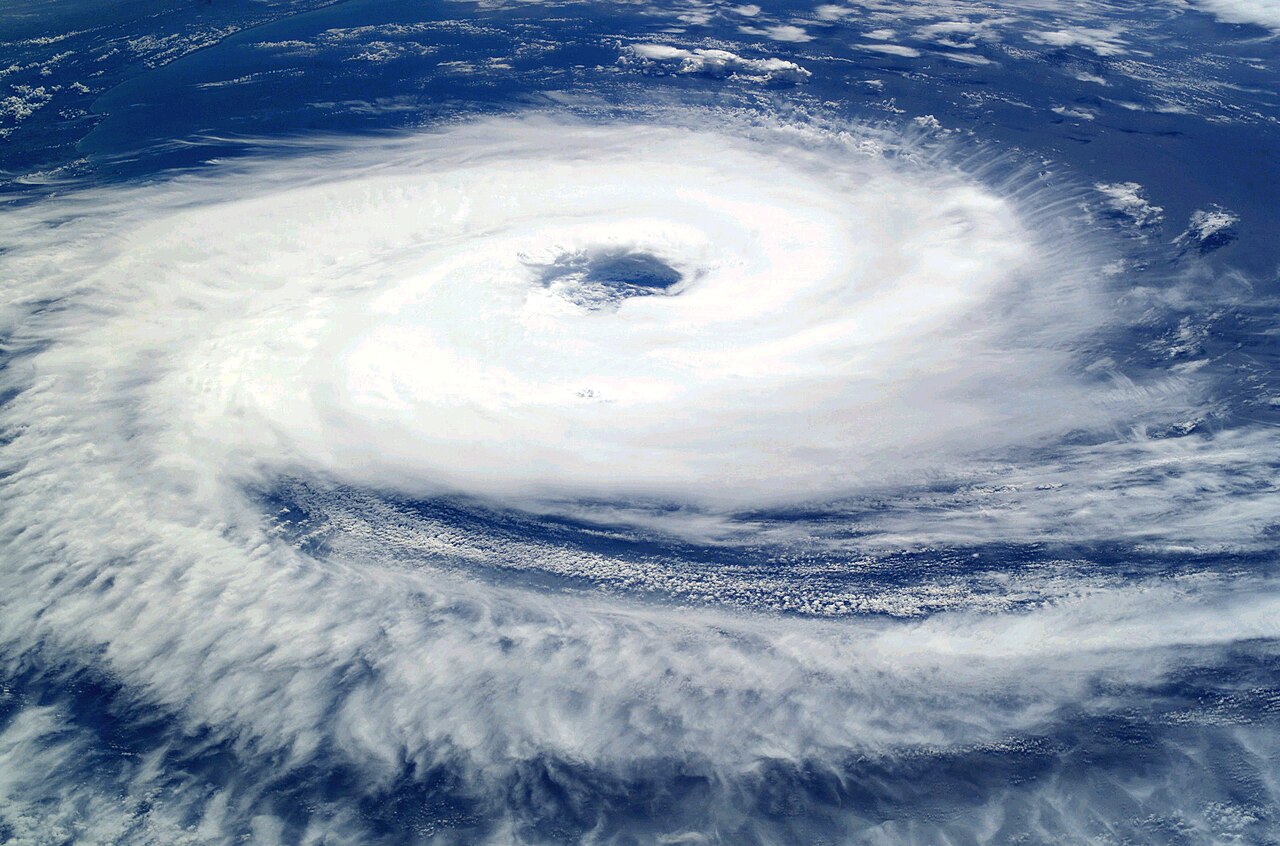


Meteorological development and track
Ophelia formed during the very active 2005 Atlantic hurricane season. After developing into a tropical cyclone, it reached hurricane strength at times but spent a prolonged period moving slowly and looping off shore. Weak steering currents in the mid‑latitudes and interactions with nearby weather systems caused the storm to meander rather than follow a steady path, occasionally approaching and then retreating from the coastline.
Forecasting challenges and behavior
The storm's slow forward speed amplified coastal hazards: wave action and storm surge persisted for extended periods, and heavy rain fell over the same areas for multiple days. Such behavior can reduce intensity through ocean upwelling while simultaneously increasing exposure to tides and waves. Forecasters emphasized the difficulty of timing warnings and evacuations because small shifts in the track could substantially alter which communities were most threatened.
Impacts and consequences
- On September 14–15, 2005, Ophelia brushed eastern North Carolina, producing coastal flooding, power outages, and infrastructure damage; estimated losses in the state were about $70 million.
- Eastern New England and Atlantic Canada experienced strong tropical‑storm‑force winds, heavy surf, and minor damage as Ophelia passed offshore.
- Along the wider coast, hazards included dangerous rip currents, beach erosion, and intermittent road flooding.
Notable facts and legacy
Ophelia is often cited in meteorological literature and coastal planning as an example of how a storm's slow motion can magnify impacts without necessarily producing extreme peak winds. The event highlighted the need for extended preparedness periods for coastal communities. Its interaction with the continental shelf and nearby weather systems is discussed in case studies of track uncertainty. For further context on regional impacts and response, see reports concerning the storm's effects off the United States East Coast.
Related articles
Author
AlegsaOnline.com Hurricane Ophelia (2005) Leandro Alegsa
URL: https://en.alegsaonline.com/art/45964