
Hurricane Stan (2005): a deadly Category 1 storm in Central America and Mexico
Hurricane Stan was a Category 1 Atlantic hurricane in October 2005 that produced extreme rainfall, widespread flooding and landslides across Central America and Mexico, causing severe damage and a high death toll.
Overview
Hurricane Stan was a relatively small but deadly tropical cyclone in October 2005. It reached Category 1 intensity on the Saffir–Simpson scale and produced prolonged, heavy rainfall across parts of Central America and southern Mexico. The storm occurred during the active 2005 Atlantic hurricane season and was one of several systems that year to cause extensive human and economic losses.
Image gallery
8 Images


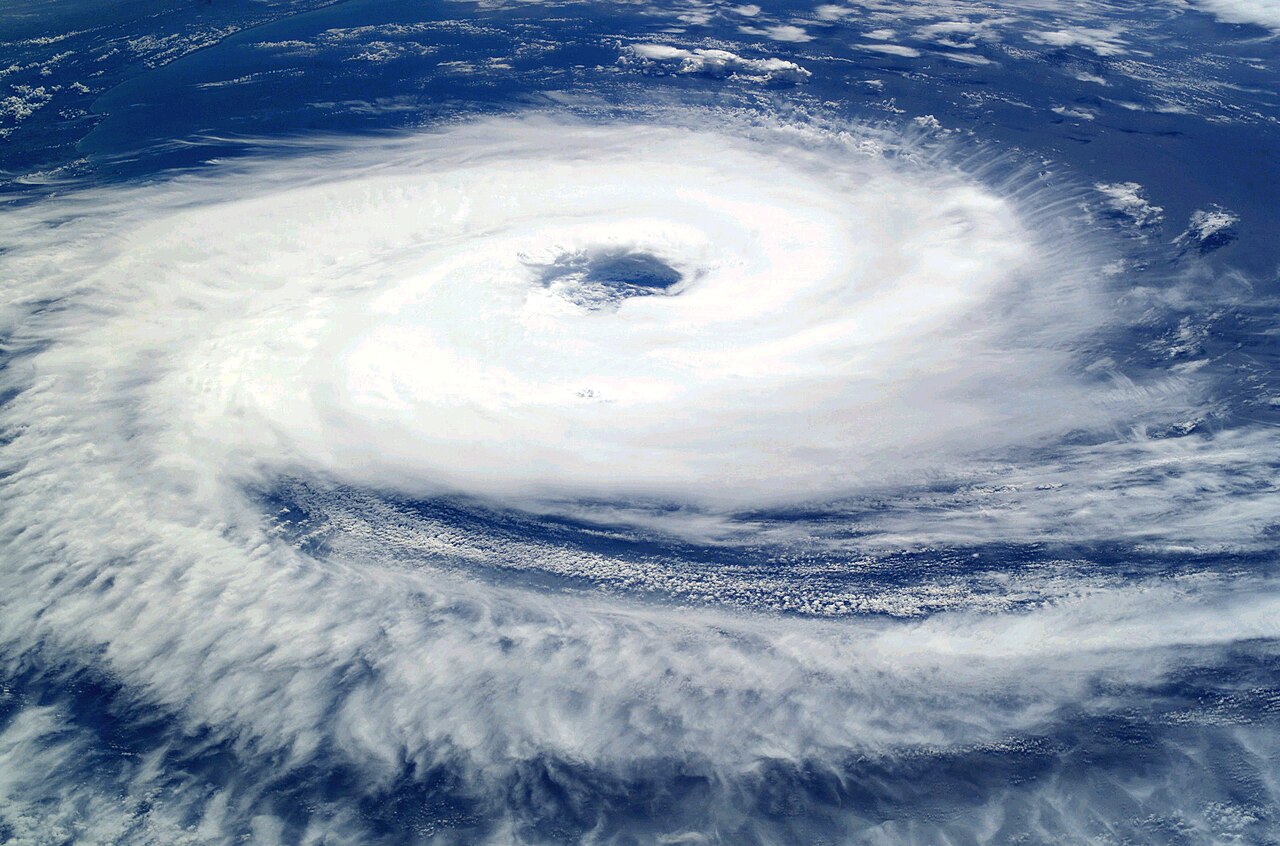


Meteorological characteristics
At its peak Stan was classified as a Category 1 hurricane; however, the storm’s most destructive feature was not its peak winds but the torrential precipitation it delivered over steep, vulnerable terrain. Slow motion and interaction with local topography amplified runoff, leading to flash floods, river overflows and large-scale landslides in mountainous areas.
Course and landfalls
Stan made landfall in parts of Mexico and affected multiple Central American countries. It was recorded as the sixth of seven storms during 2005 to make landfall in Mexico, and its impacts extended well beyond the immediate coastline because of persistent rains and secondary flooding. Coastal landfall and inland flooding together produced complex humanitarian emergencies across the region.
Impacts and consequences
The storm produced catastrophic humanitarian consequences in several countries. Estimates of fatalities and damage vary by source, but Stan is widely regarded as among the deadliest events of the 2005 season. Reported effects included:
- Large numbers of casualties from mudslides and flash floods; estimates place the death toll in the thousands, with common summaries citing at least around 1,600 fatalities and reports that approach 2,000 in some tallies.
- Significant economic losses concentrated in Mexico and Central America; aggregated damage estimates exceed one billion dollars in the affected region.
- Widespread destruction of homes, roads, bridges and agricultural land, complicating relief and reconstruction efforts.
Aftermath, response and significance
Humanitarian responses involved national governments, regional organizations and international aid agencies working to provide emergency shelter, food, water and medical care while clearing debris and restoring infrastructure. The scale of the disaster highlighted vulnerabilities in mountainous and deforested watersheds, and prompted renewed attention to disaster preparedness, early warning systems and land-use practices in the region.
Notable facts
Although Stan was not among the most intense hurricanes in terms of wind speed, its deadly legacy stems from flooding and landslides rather than wind damage. Comparisons to other catastrophic storms of 2005—sometimes including Hurricane Katrina—appear in discussions of that season’s overall human toll and the need to improve risk reduction across the hurricane-prone Americas. Further technical summaries and post-storm assessments are available from regional meteorological and disaster agencies, and consolidated season reports provide additional context for Stan’s place in 2005’s unusually active season (landfall summary, damage assessments, season comparisons).
Questions and answers
Q: What category was Hurricane Stan?
A: Hurricane Stan was a category 1 hurricane.
Q: How many storms made landfall in Mexico in 2005?
A: Seven storms made landfall in Mexico in 2005.
Q: How much damage did Hurricane Stan cause?
A: Hurricane Stan caused $1 Billion of damage in Mexico and the Central American region.
Q: Was Hurricane Stan the deadliest or second deadliest storm of 2005?
A: It is either the deadliest or second deadliest of 2005 (or Hurricane Katrina).
Q: What is the exact number of deaths caused by Hurricane Stan?
A: The exact number of deaths is unknown, but it is at least 1,660 but could be up to 2,000.
Q: In what year did Hurricane Stan occur?
A: Hurricane Stan occurred during the 2005 Atlantic hurricane season.
Related articles
Author
AlegsaOnline.com Hurricane Stan (2005): a deadly Category 1 storm in Central America and Mexico Leandro Alegsa
URL: https://en.alegsaonline.com/art/45975