
Hurricane Vince: a rare northeast Atlantic tropical cyclone
Hurricane Vince was an unusual tropical cyclone of the 2005 Atlantic season that formed in cool northeastern Atlantic waters and made landfall on the Iberian Peninsula, challenging conventional ideas about cyclone formation.
Overview
Hurricane Vince was an atypical tropical cyclone that developed over the cool waters of the northeast Atlantic. It occurred during the 2005 Atlantic hurricane season, which was extraordinarily active. Vince is notable because it reached tropical-hurricane strength in an area where sea surface temperatures are normally too low to support classic tropical development, making it a subject of interest for meteorologists.
Image gallery
9 Images




Formation and lifecycle
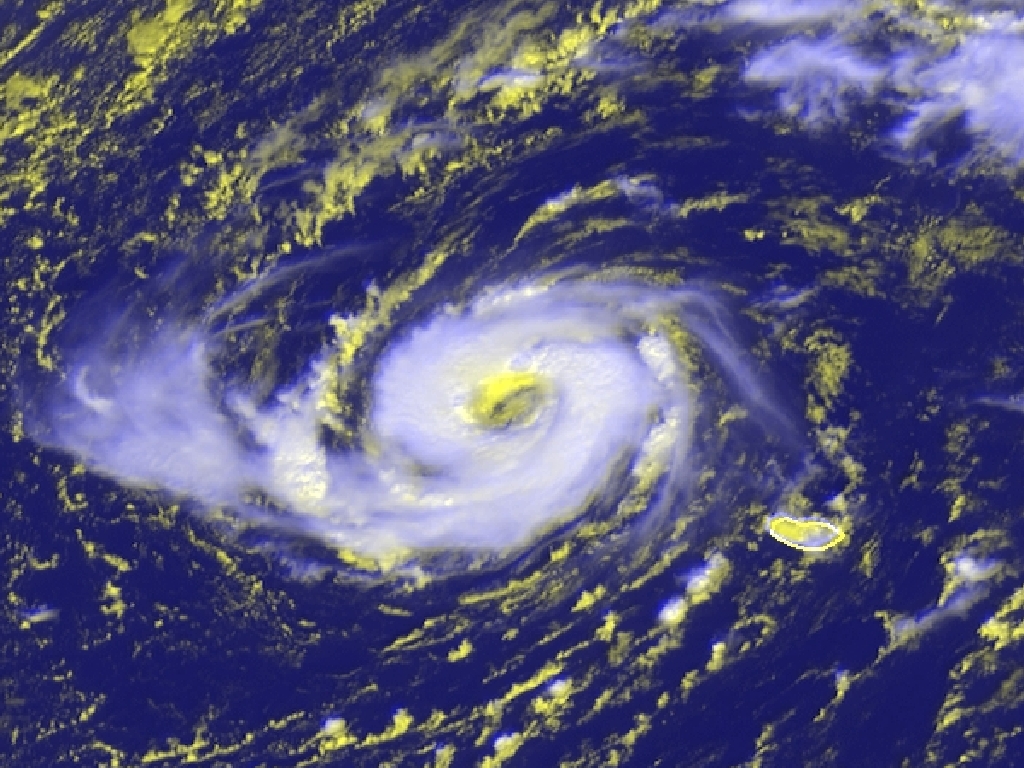
The system that became Vince began as an extratropical cyclone and later acquired subtropical characteristics. It transitioned to a subtropical storm on October 8 while located to the southeast of the Azores. Operationally the storm was identified and named by the National Hurricane Center the following day. After being classified as a subtropical system, Vince continued to consolidate and acquired a warm core, at one point reaching hurricane status before it began to weaken as it moved eastward into higher-latitude waters.
Track and landfall
Vince moved toward the Iberian coast and weakened prior to landfall. On October 11 the system reached the coast of the Iberian Peninsula, coming ashore in Spain as a tropical depression and quickly losing tropical characteristics over land. The storm dissipated over the peninsula, but its remnants crossed into the Mediterranean Sea, an uncommon route for tropical-origin systems in the Atlantic basin.
Impacts, rarity and comparisons
Impacts from Vince were limited compared with many tropical cyclones, but the system delivered notable rain and localized flooding across parts of Spain. Vince is often cited for its rarity: storms that attain tropical character so far northeast in the Atlantic and that reach the Iberian region are exceptional. Historical comparisons include an 1842 hurricane reported to have affected Spain and, much later, Subtropical Storm Alpha in 2020; collectively these events underscore how uncommon such tracks and transitions are.
Meteorological significance
Vince challenged conventional thresholds for tropical-cyclone formation and underlined the role of atmospheric conditions and midlatitude interactions in allowing tropicalization of otherwise non-tropical systems. Scientists have used Vince as a case study to refine criteria for subtropical and tropical classification, to improve forecast model performance at higher latitudes, and to re-examine the potential for tropical-like systems to affect regions not usually associated with hurricanes. The storm also demonstrated practical issues for operational meteorology, including classification, naming conventions and public communication when a system behaves outside typical expectations.
- Key characteristics: extratropical origin, subtropical transition, brief hurricane intensity, landfall in Spain.
- Seasonal context: part of the exceptionally active 2005 season.
- Geographical notes: formation near the Azores, track into the Iberian Peninsula and remnants entering the Mediterranean Sea.
Vince remains a useful example in textbooks and research articles when discussing the spectrum of cyclone types, the subtropical–tropical transition, and the limits of where tropical cyclones can form and maintain strength.
Questions and answers
Q: What type of storm was Hurricane Vince?
A: Hurricane Vince began as an extratropical cyclone and eventually became a subtropical storm and then a hurricane.
Q: When did Hurricane Vince form?
A: Hurricane Vince formed on October 8th, southeast of the Azores.
Q: How many storms were part of the 2005 Atlantic hurricane season?
A: There were 20 named storms and 12 hurricanes in the 2005 Atlantic hurricane season.
Q: When did Hurricane Vince make landfall?
A: Hurricane Vince made landfall on October 11th on the Iberian Peninsula in Spain. At that time, it had weakened to a tropical depression.
Q: Was this the first storm to hit the area since 1842?
A: Yes, it is believed that this was the first storm to hit the area since 1842 when another hurricane occurred there.
Q: What happened after Hurricane Vince made landfall in Spain?
A: After making landfall, what remained of the storm passed into the Mediterranean Sea - one of only three storms to do so alongside an 1842 Spanish hurricane and Subtropical Storm Alpha from 2020.
Q: Did Hurricane Vince cause any damage when it reached land?
A: Although no major damage was reported, it did drop rain over Spain as it passed through.
Related articles
Author
AlegsaOnline.com Hurricane Vince: a rare northeast Atlantic tropical cyclone Leandro Alegsa
URL: https://en.alegsaonline.com/art/45978
Sources
- nhc.noaa.gov : "Tropical Cyclone Report: Hurricane Vince"
- malaga-weather.com : "13 Oct 2005 ...'Hurricane Vince' visits southern Spain"
- nhc.noaa.gov : "Tropical Storm Vince Discussion Number 1"
- nhc.noaa.gov : "Hurricane Vince Discussion Number 2"
- nhc.noaa.gov : "Hurricane Vince Discussion Number 3"
- nhc.noaa.gov : "Hurricane Vince Discussion Number 4"
- nhc.noaa.gov : "Hurricane Vince Discussion Number 5"
- nhc.noaa.gov : "Hurricane Vince Discussion Number 6"
- nhc.noaa.gov : "Hurricane Vince Discussion Number 7"
- 20minutos.es : "Las lluvias sólo frenan un 0,1% la pérdida de agua"
- 20minutos.es : "Fuentes sin agua"
- 20minutos.es : "Llueve en sólo dos días más que en todo el verano"
- aemet.es : "Consideraciones sobre el ciclón Vince: sus efectos sobre la península Ibérica"