
Oʻahu — Hawaiian island and population, capital of the state
Oʻahu is a central Hawaiian island that hosts Honolulu, major bays and surf shores, and most of the state's population; known as “the gathering place.”
Oʻahu (often written Oahu) is one of the main islands in the Hawaiian Islands and forms the cultural and economic heart of the U.S. state of Hawaii. Its Hawaiian name is commonly translated as "the gathering place," reflecting the island's long role as a center for trade, government and social life in the archipelago. The island covers roughly 600 square miles and supports a mix of dense urban areas, agricultural land, and preserved natural spaces.
Image gallery
10 Images




Geography and natural features
Oʻahu is volcanic in origin and shaped by several older shield volcanoes whose eroded ridges and valleys create the island's varied topography. Coastal plains give way quickly to steep interior ranges, producing scenic bays, steep cliffs and secluded valleys. The climate is tropical but varies locally: windward slopes receive more rain and support lush forest, while leeward coasts are sunnier and drier. Well-known natural sites include Hanauma Bay, Diamond Head, and the sheltered Kaneohe Bay.
Population, cities and notable places
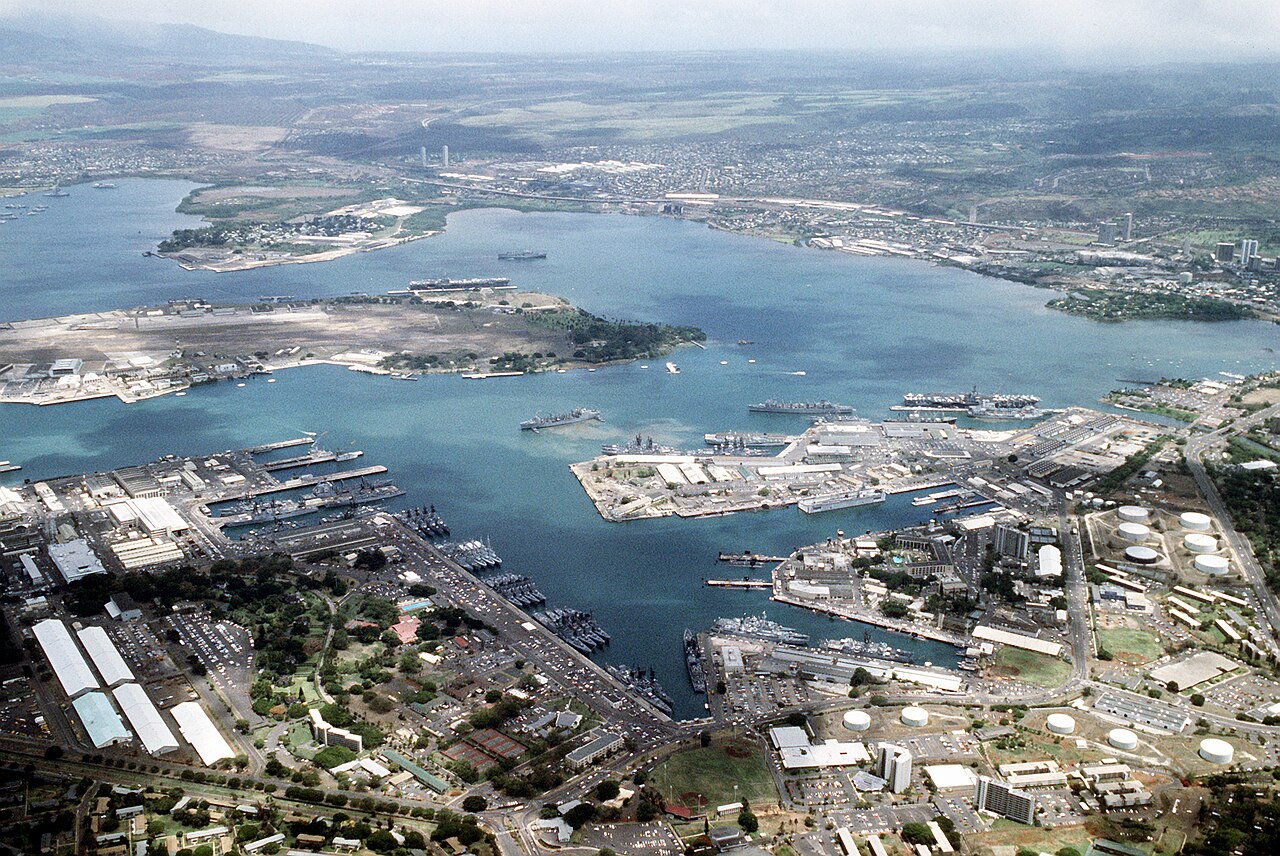
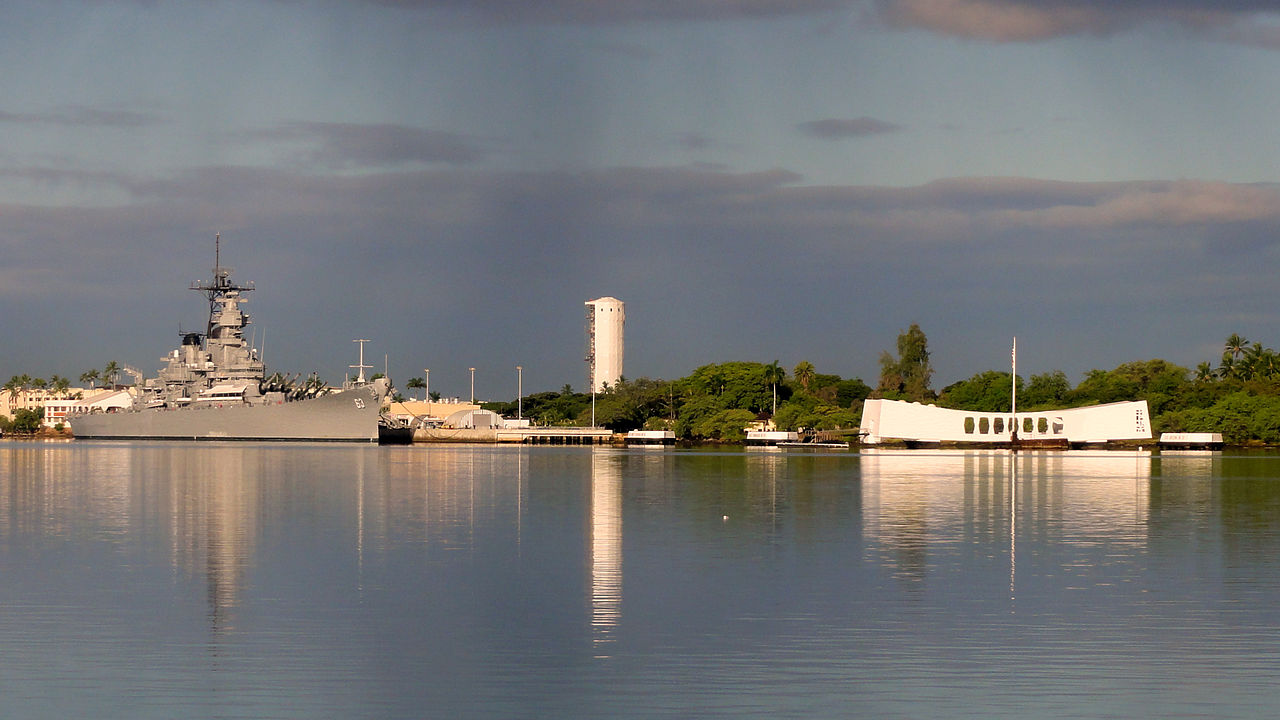
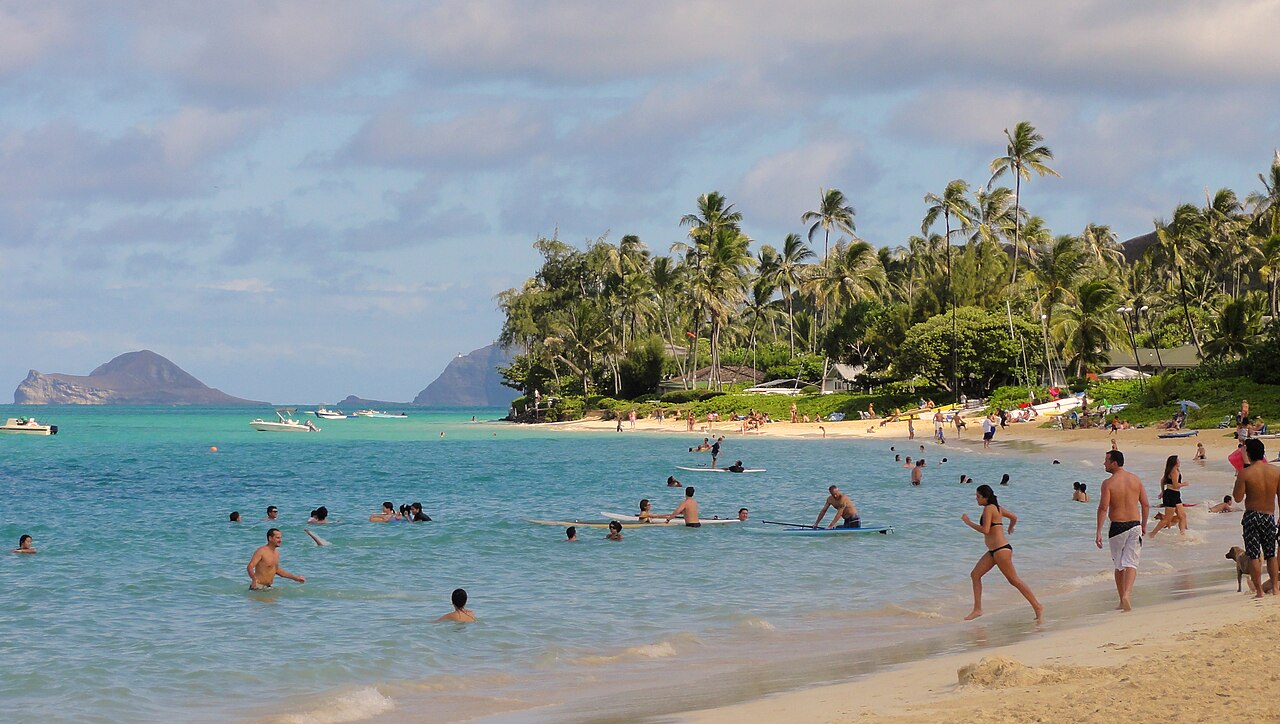
The island contains the state capital, Honolulu, and several neighborhoods and districts known worldwide. Waikiki is a prominent beachfront neighborhood and tourism center, often linked with surf culture and resorts (Waikiki). Other distinctive locations include Pearl Harbor, the North Shore famed for big winter waves and surf competitions, and Makaha on the leeward coast. Many visitors and residents travel between these sites on well-traveled roads and public transit.
History and cultural importance
Oʻahu has been inhabited for centuries by Native Hawaiians and served as a seat of royal power before the islands became a U.S. territory and later a state. The island played a pivotal role in 20th-century history; Pearl Harbor remains a site of national memory following the 1941 attack that brought the United States into World War II. Traditional Hawaiian culture — language, hula, navigation and community practices — continues to be practiced and celebrated on Oʻahu.
Economy, tourism and recreation
Tourism is a major economic driver: beaches, surf breaks, historic sites and cultural attractions draw millions of visitors each year. The island also hosts government offices, military facilities, education institutions and a range of service industries. Outdoor recreation is abundant — from surfing on the North Shore to snorkeling at protected bays and hiking crater rims — making Oʻahu a focal point for both cultural tourism and nature-based activities.
Distinctions and contemporary issues
Oʻahu is notable for concentrating much of Hawaii's population and infrastructure, which creates both opportunities and challenges: vibrant cultural exchange, economic activity and pressure on housing, traffic and natural resources. Conservation efforts, cultural revitalization and planning initiatives aim to balance growth with protection of the island's environment and heritage. For further overviews and visitor information see official resources on the Hawaiian Islands, state guides (state resources) and local cultural organizations (Hawaiian language and culture).
Questions and answers
Q: What is the meaning of Oahu in Hawaiian?
A: Oahu means "the gathering place" in the Hawaiian language.
Q: How many people live on Oahu?
A: Around 1.2 million people live on Oahu, which is most of the population of Hawaii.
Q: What is the land area of Oahu?
A: The total land area of Oahu is 608 square miles (1,570 km2).
Q: Where is Honolulu located?
A: Honolulu, the capital city of Hawaii, is located on this island.
Q: What are some well-known places on Oahu?
A: Some well-known places on Oahu include Waikiki, Pearl Harbor, Diamond Head, Hanauma Bay, Kaneohe Bay and both the North Shore and Makaha.
Q: What makes Makaha famous?
A: Makaha is famous for its very big ocean waves.
Related articles
Author
AlegsaOnline.com Oʻahu — Hawaiian island and population, capital of the state Leandro Alegsa
URL: https://en.alegsaonline.com/art/71594