
Niihau — the privately owned 'Forbidden Island' of Hawaii
Niihau is the smallest inhabited Hawaiian island, privately owned and known for restricted access, a largely Native Hawaiian community, traditional culture, and status as the oldest of the main Hawaiian islands.
Niihau is a small, privately owned island off the western shore of Kauai. It is the smallest of the inhabited islands in the Hawaiian archipelago, covering about 70 square miles, and is widely described as the oldest of the eight main islands. Because its owners tightly control visitation, Niihau is often called the "Forbidden Island." The island lies within the state of Hawaii in the United States.
Image gallery
6 Images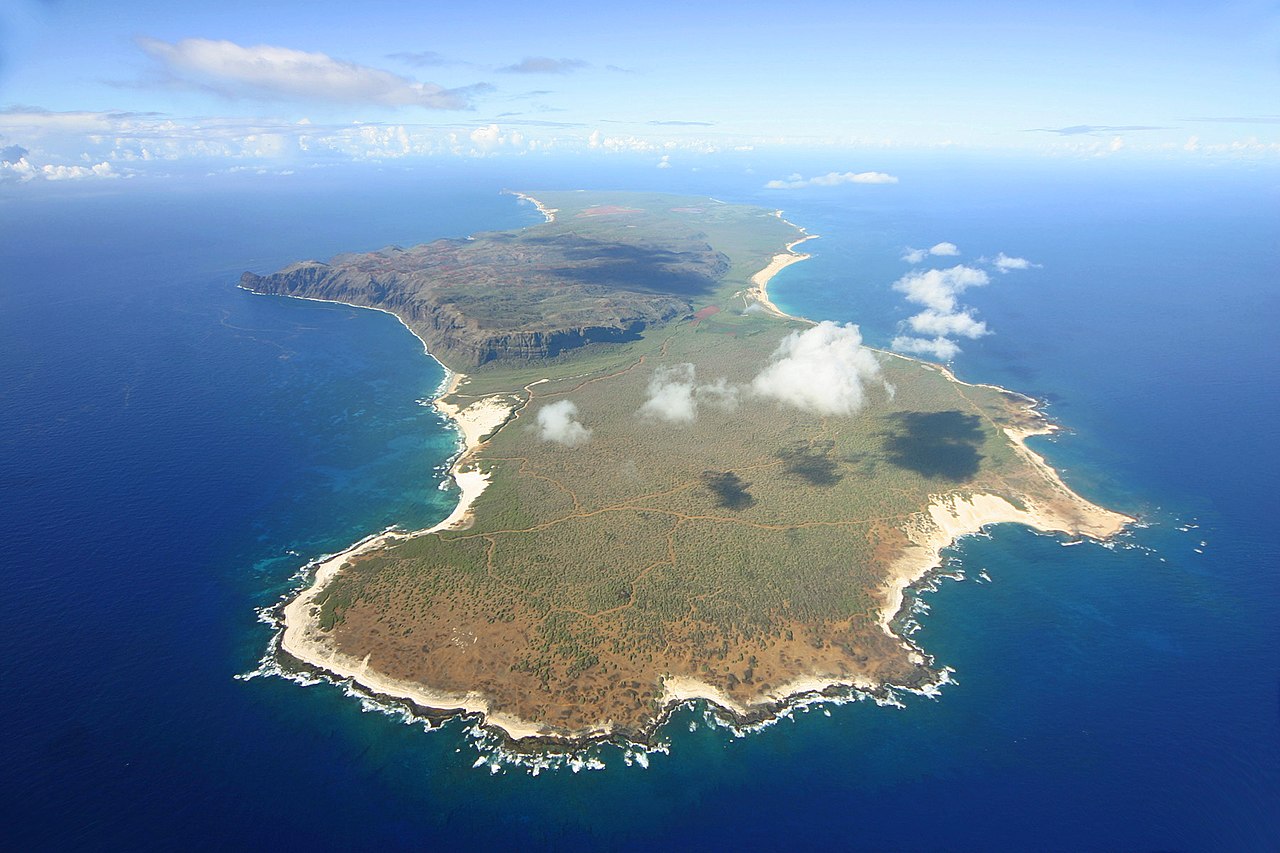



Geography and environment
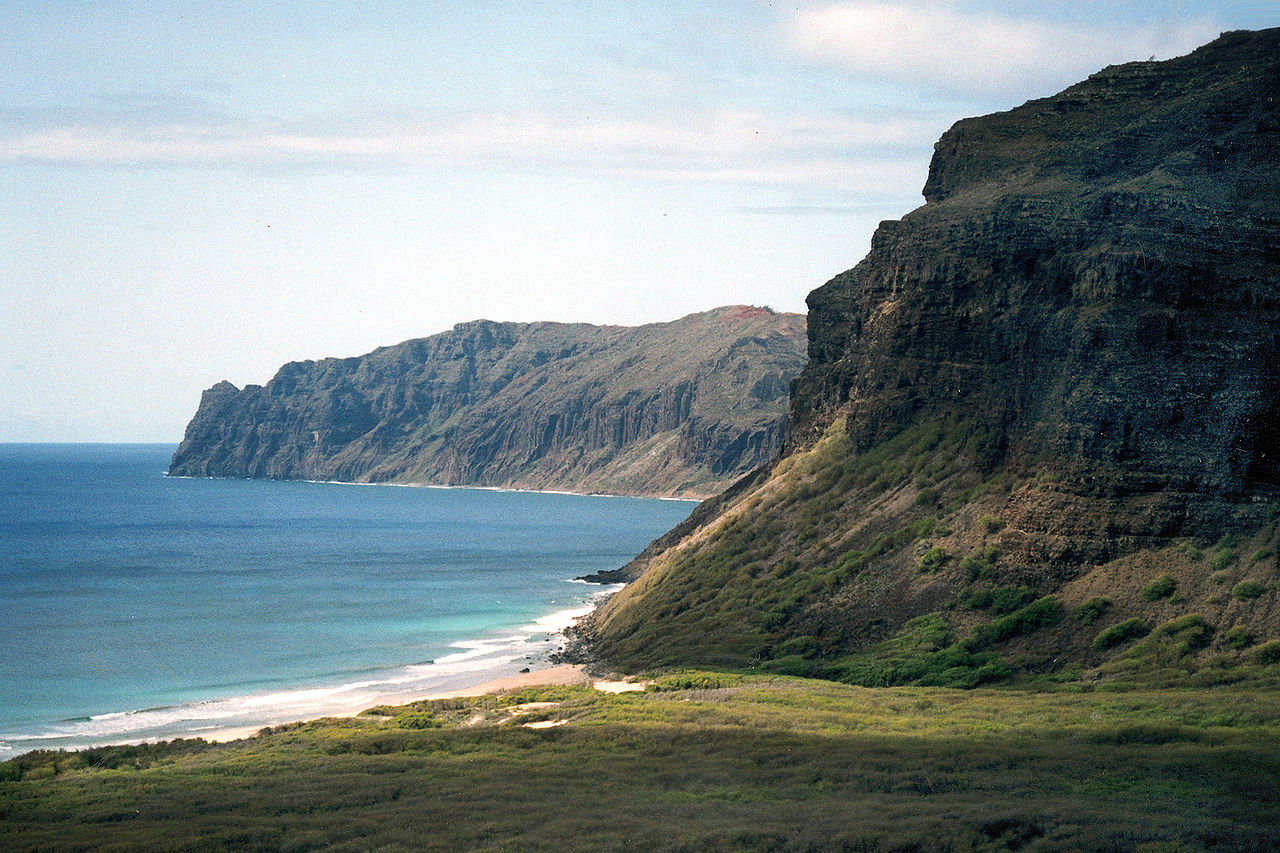
Niihau's landscape is relatively arid compared with nearby islands. Its coastline features steep cliffs and sandy bays, and much of the interior is dry shrubland and grazing land. The island supports seabird colonies and plant communities adapted to low rainfall. Lack of extensive development and limited human traffic have helped preserve many natural habitats.
History and ownership
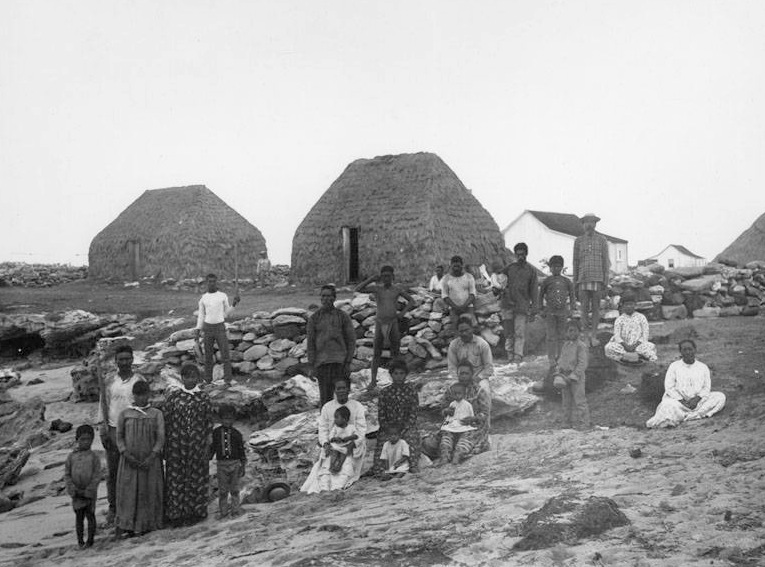
Niihau has been inhabited by Native Hawaiians for centuries and retains strong links to traditional culture and language. In the 19th century the island became privately owned; the Robinson family purchased Niihau from the Hawaiian crown and the ownership has remained private since then. Throughout modern history the island has been managed with an emphasis on privacy, cultural continuity, and resource stewardship.
People, language and economy
The resident community is small and largely of Native Hawaiian descent. Hawaiian language and customary practices remain important in daily life. Economic activities are limited and include subsistence agriculture, small-scale ranching and craft production. Niihau shell lei and other traditional handicrafts have a long cultural association with the island and its artisans.
Access, conservation and notable facts
- Access: Visits are by invitation or special arrangement only; public tourism is generally not permitted, which helps protect privacy and resources.
- Conservation: Restricted access has contributed to the preservation of archaeological sites and natural habitats, though management balances traditional land uses with ecological protection.
- History: The island figures in modern history—after the attack on Pearl Harbor a wartime incident on Niihau drew attention to its remote and tightly knit community.
For more general context about the inhabited islands and regional geography, see listings of the inhabited islands of Hawaii and broader reference material on the Hawaiian island chain. Scholarly and cultural studies provide the best sources for detailed information about Niihau's archaeology, language use, and contemporary management.
Questions and answers
Q: What is Niihau?
A: Niihau is the smallest of the inhabited islands of Hawaii in the United States.
Q: How large is Niihau?
A: Niihau has a land area of 70 sq. miles (184 km2).
Q: Is Niihau one of the main Hawaiian Islands?
A: Yes, it is the oldest of the eight main islands.
Q: Where is Niihau located?
A: Niihau is located in Hawaii in the United States.
Q: What type of terrain does Niihau have?
A: The terrain on Niihau consists mostly of rolling hills and valleys with some flat areas near its shoreline.
Q: Does anyone live on Niihau?
A: Yes, there are approximately 130 permanent residents living on the island.
Q: Are there any roads or highways on Ni'ihua?
A:No, there are no roads or highways on Ni'ihua; transportation around the island is mainly by foot or horseback.
Related articles
Author
AlegsaOnline.com Niihau — the privately owned 'Forbidden Island' of Hawaii Leandro Alegsa
URL: https://en.alegsaonline.com/art/70172