
Hurricane Gordon (1994)
A late‑1994, slow‑moving tropical cyclone noted for its erratic track and catastrophic rainfall—especially in Haiti and the central Caribbean—causing widespread flooding, landslides and large loss of life.
Overview
Hurricane Gordon was a late‑season tropical cyclone in November 1994 that became notable less for its peak winds than for its unusually slow, erratic motion and the catastrophic rainfall it produced across the central Caribbean. Although the system reached hurricane strength for only a short time, prolonged inundation and steep‑slope landslides caused the majority of loss of life and damage.
Image gallery
9 Images




Meteorological characteristics and track
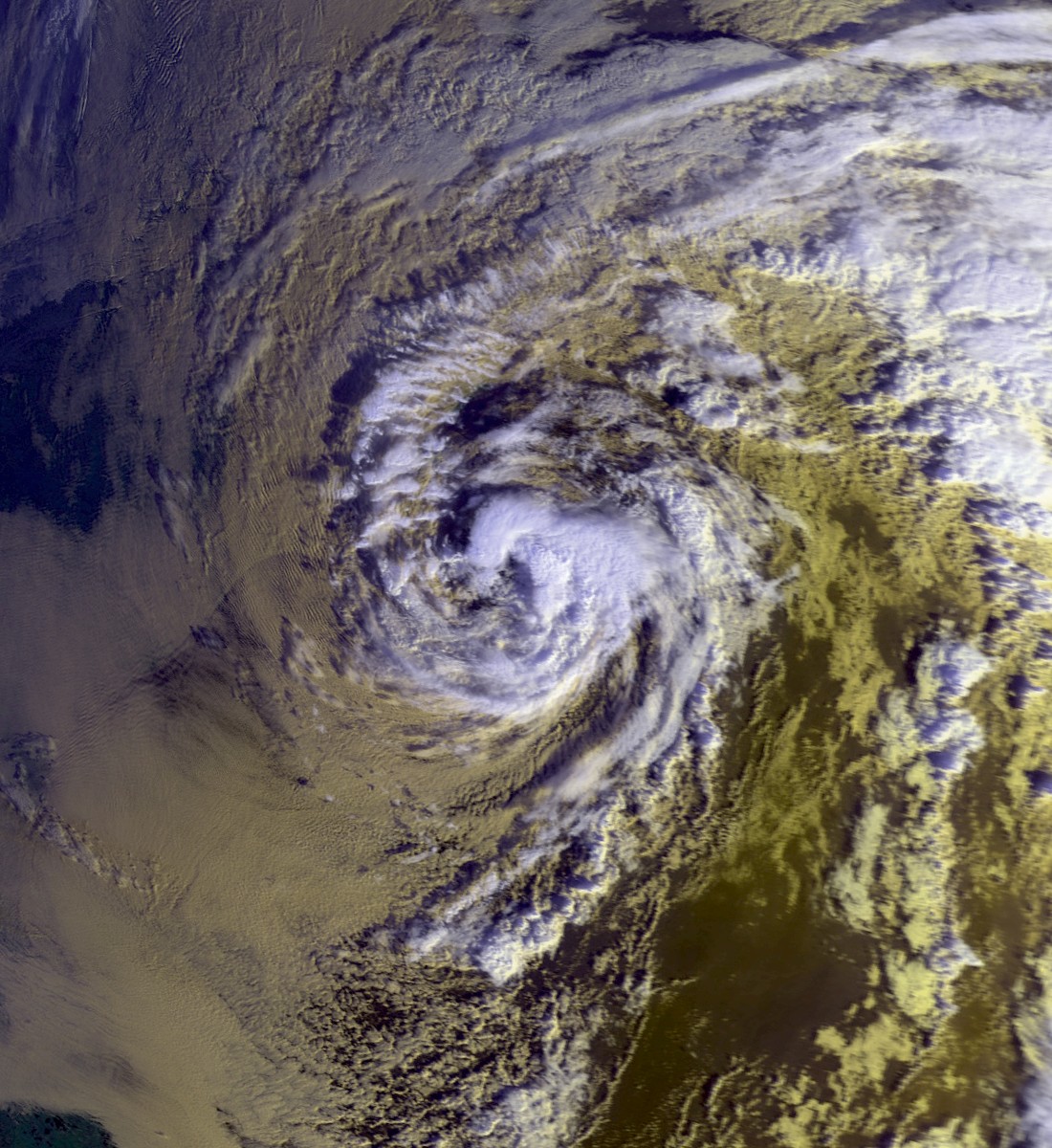
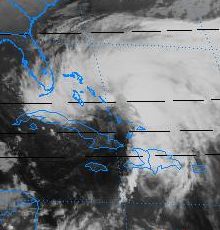
Gordon moved erratically for several days, looping and stalling across warm Caribbean waters. That slow motion allowed intense rainfall to linger over vulnerable islands and exposed continental slopes. Forecast models struggled to pin down the storm's course, which complicated warnings and evacuations. The system briefly intensified to hurricane intensity before weakening to a tropical storm as it approached parts of the United States.
Human impact and damage
Most fatalities and destruction were caused by flooding and mudslides rather than by high winds. In heavily deforested and mountainous areas—where soils were already unstable—persistent heavy rain produced sudden landslides that buried homes and disrupted communities. Estimates of the death toll vary substantially; contemporary reports and later assessments put the number of fatalities in a wide range, with many sources indicating a toll in the hundreds to over a thousand.
Regions affected
- Caribbean islands experienced prolonged rainfall, coastal flooding and multiple landslides.
- Haiti suffered some of the worst human losses, exacerbated by vulnerability from deforestation and limited infrastructure.
- Central Caribbean islands including agricultural areas saw widespread crop losses and damage to rural settlements.
- Jamaica reported flash floods and localized landslides that damaged roads and housing.
- Cuba experienced heavy rains, flooding in low‑lying areas and impacts to coastal communities.
- Florida recorded rainfall, coastal surge and storm effects as the system moved northward.
- Parts of North Carolina also saw residual rainfall and coastal impacts as the system weakened.
Forecasting difficulties and response
Because Gordon’s path was highly unpredictable, meteorologists issued a sequence of watches and warnings that changed as the storm stalled and altered course. The erratic behavior highlighted limitations in short‑range forecasting at the time and underscored the need for clear public communication when storm tracks are uncertain. International and local relief agencies mobilized after the worst impacts, focusing on search and rescue, emergency shelter and restoring access to isolated communities.
Legacy and notable facts
Gordon is often remembered for the disproportionate human toll relative to its brief period as a hurricane. It remains an example of how slow‑moving tropical systems can produce catastrophic flooding, particularly where land use and social vulnerability magnify hazard impacts. The storm was also the last named system of the relatively quiet 1994 season and was regarded in post‑season assessments as one of that year’s most damaging events.
Further reading and official reports: storm summaries, regional assessments at season reviews and country recovery reports available via Caribbean and Haiti archives.
Questions and answers
Q: Was Hurricane Gordon a very damaging tropical storm for the Caribbean and other areas?
A: Yes, Hurricane Gordon was a very damaging tropical storm for the Caribbean, Florida, and parts of North Carolina.
Q: Did Hurricane Gordon move quickly over the Caribbean?
A: No, Hurricane Gordon was very slow-moving on its path over the Caribbean.
Q: How many people were estimated to have been killed by Hurricane Gordon?
A: Estimates range between 500-2300 people dead through Haiti and the central Caribbean islands, including Jamaica and Cuba.
Q: Why was it hard to forecast where Hurricane Gordon would go and where it would reach land?
A: The storm's strange motion was making Hurricane Gordon hard to forecast where it would actually go and where it would reach land.
Q: Was Hurricane Gordon the last storm of the 1994 Season?
A: Yes, Hurricane Gordon was the last storm of the inactive 1994 Season.
Q: How costly was Hurricane Gordon compared to other storms of the 1994 season?
A: Hurricane Gordon was the second most costly of the 1994 season, even though the storm was a hurricane for only a few hours.
Q: Was Hurricane Gordon only a tropical storm or a hurricane as well?
A: Hurricane Gordon was a tropical storm, but it became a hurricane for only a few hours before dissipating.
Related articles
Author
AlegsaOnline.com Hurricane Gordon (1994) Leandro Alegsa
URL: https://en.alegsaonline.com/art/45895
Sources
- nhc.noaa.gov : "Hurricane Gordon Preliminary Report"
- commons.wikimedia.org : Commons