
Sir Anthony Richard Wagner: English officer of arms, historian and herald
Biography of Sir Anthony R. Wagner (1908–1995), senior English officer of arms, Garter King of Arms (1961–1978), heraldic scholar, author and longtime member of the College of Arms.
Overview
Sir Anthony Richard Wagner (born 6 September 1908 – died 5 May 1995) was a leading English officer of arms and a prolific scholar of heraldry and genealogy. He combined practical duties at the College of Arms with a long publishing career that helped shape modern understanding of coats of arms, family history and ceremonial practice.
Image gallery
1 Image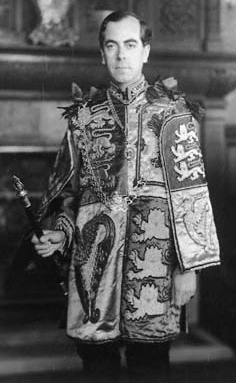
Career and offices
Wagner served in the traditional hierarchy of English officers of arms and held a number of named posts. Early in his professional life he was appointed Portcullis Pursuivant in 1931, and after wartime service he rose to become Garter Principal King of Arms, the senior heraldic officer responsible for state ceremonial and the granting of arms, a post he held from 1961 until his retirement in 1978. He was created a knight in 1961 in recognition of his public service and learning (knighthood).
Military service and context
Like many of his generation, Wagner left the College to serve in the military; he served in the British Army during the Second World War. After the conflict he returned to heraldic work and continued to combine archival research with ceremonial duties in England and for institutions connected to the Crown.
Scholarship, writing and influence
Wagner authored numerous books and articles on heraldry, genealogy and ceremonial practice. His writings treated the historical development of armorial bearings, methods of genealogical research and the records and practices of the College of Arms. Through lectures, publications and editorial work he helped professionalize the study of heraldry and encouraged wider public interest in family history.
Roles and responsibilities of officers of arms
- Advising on and granting coats of arms.
- Maintaining genealogical and heraldic records held by the College.
- Organizing and participating in state ceremonies, proclamations and royal events.
As Garter King of Arms, Wagner combined these administrative and ceremonial responsibilities with scholarly leadership, acting as a bridge between the archival world and public ceremonial life.
Later life and legacy
In later years Wagner lost his sight but continued to contribute to the College and to students of heraldry. He remained an influential figure until his death in 1995 and is remembered for both his official role within the heraldic establishment of England and his many contributions to the literature of heraldry (heraldic studies).
Further reading and archival materials related to Wagner's life and work can be found in institutional collections and specialist bibliographies; these provide detailed accounts of his publications, public duties and the records he maintained.
For summaries of specific events and official appointments see primary references and the College of Arms' records: birth, death, early office, national context, scholarship, military service, wartime, honours, College affiliation.
Related articles
Author
AlegsaOnline.com Sir Anthony Richard Wagner: English officer of arms, historian and herald Leandro Alegsa
URL: https://en.alegsaonline.com/art/4589