
Antoine Lahad — Commander of the South Lebanon Army
Antoine Lahad (1927–2015) was a Lebanese military officer who led the South Lebanon Army (SLA) from 1984 to 2000, a militia allied with Israel during the Lebanese civil conflict and occupation of southern Lebanon.
Antoine Lahad (1927–10 September 2015) was a Lebanese military officer most widely known as the commander of the South Lebanon Army (SLA) from 1984 until the group's collapse in 2000. His tenure is associated with the complex period of Lebanon's civil war and the extended Israeli presence in southern Lebanon.
Image gallery
2 Images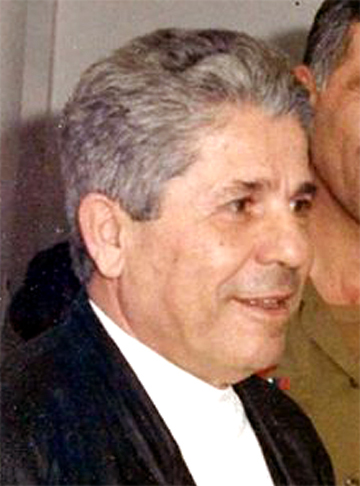

Background and rise to leadership
Lahad began his career in the Lebanese armed forces and later became prominent within the SLA, a local Lebanese force formed in the context of the 1970s and 1980s conflicts. He succeeded Saad Haddad as the SLA's leader after Haddad's death in 1984 and maintained command through the following decade and a half.
Role and organization
Under Lahad the SLA operated as a militia that collaborated closely with Israeli forces. It was structured as a local security and military apparatus in southern Lebanon, tasked with controlling a so-called "security zone" against armed groups operating along the border. Supporters viewed the SLA as a defender of local communities; critics accused it of acting as an occupation proxy.
Collapse, exile and later life
The withdrawal of Israeli forces from southern Lebanon in 2000 precipitated the rapid disintegration of the SLA. Many members fled, surrendered, or faced prosecution; Lahad left Lebanon and lived in exile. Reports indicate he spent time outside Lebanon, and he died in Paris on 10 September 2015 of a heart attack at the age of 88. Further contemporary coverage is available in press reports and obituaries such as the obituary.
Legacy and controversies
- Contested legacy: Lahad remains a divisive figure — seen as a protector by some in southern communities and as a collaborator by opponents.
- Historical significance: His command illustrates how local militias, foreign backing and sectarian divisions shaped Lebanon's late-20th-century conflicts.
- Sources: For more reading on Lahad's command and the SLA's role in Lebanon, see contemporary military and historical analyses and a concise military biography.
Antoine Lahad's life and leadership are often cited in discussions of proxy forces, collaboration and reconciliation in post-conflict societies. His story is part of the broader narrative of Lebanon's civil war, the Israeli occupation of the south, and the later transformations that followed the 2000 withdrawal.
Related articles
Author
AlegsaOnline.com Antoine Lahad — Commander of the South Lebanon Army Leandro Alegsa
URL: https://en.alegsaonline.com/art/4708