
Hurricane Iris (2001)
Powerful Atlantic hurricane in 2001 that struck Belize as a Category 4, weakened rapidly over land, caused significant damage and fatalities, and whose remnants reformed in the Pacific as Manuel.
Overview
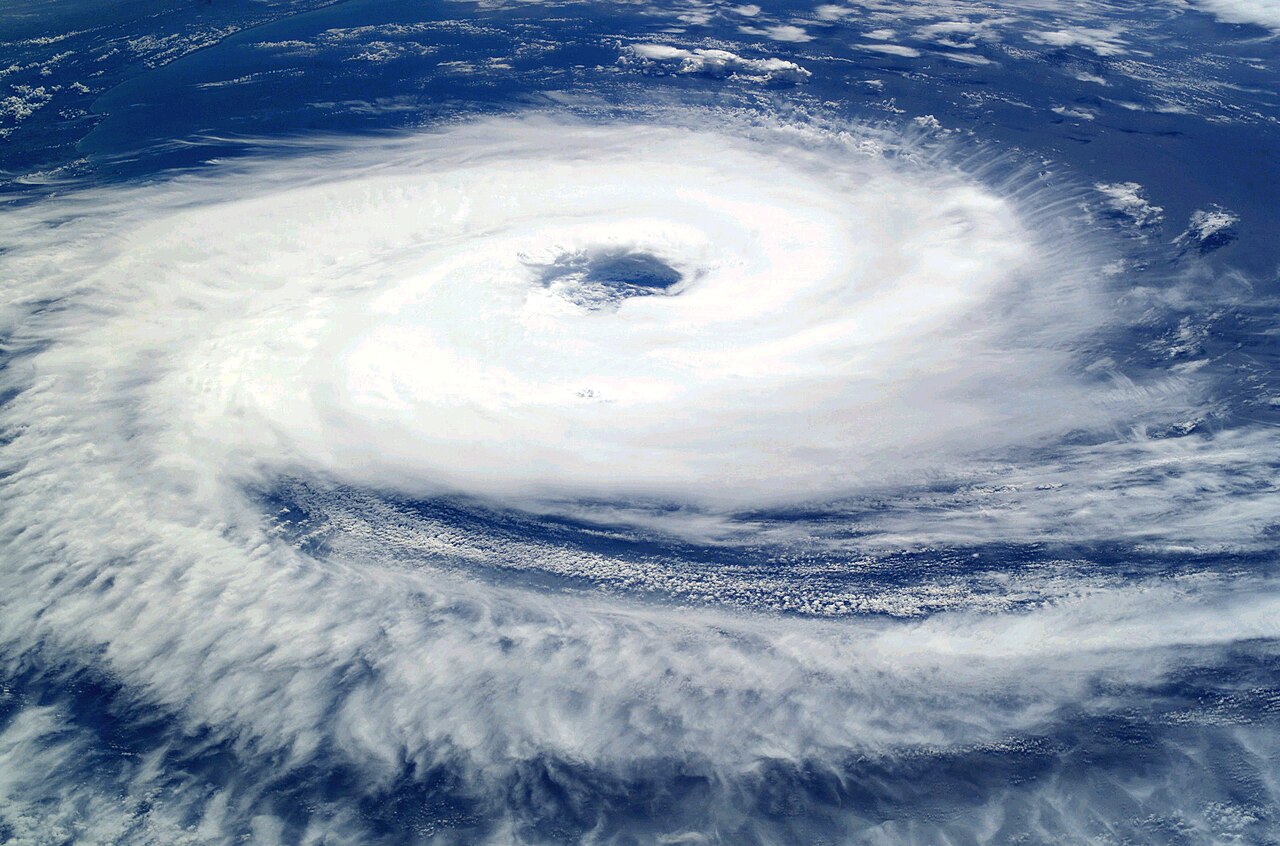
Hurricane Iris was a strong tropical cyclone in the 2001 Atlantic hurricane season. It became one of that year's major hurricanes and made landfall on the coast of Belize at high intensity. Although Iris struck as a Category 4 storm, its very rapid weakening over land limited the duration of the strongest winds over populated areas.
Image gallery
5 Images



Meteorological history and characteristics
Iris developed in the western Caribbean and intensified quickly into a major hurricane before reaching the coast. The storm produced intense winds, heavy rainfall, and a compact but violent eyewall at landfall. After crossing the low-lying coast and moving inland over the mountainous terrain of Central America, Iris lost organization and dissipated relatively fast. The storm’s remnant circulation later moved into the eastern Pacific basin and reformed; under basin naming conventions it received the new name Manuel.
Impacts and effects
The hurricane caused widespread damage to homes, agriculture, and local infrastructure in Belize and affected neighboring countries with flooding and landslides. Reported economic losses were substantial while the human toll included dozens of fatalities. Damage was estimated at about $150 million and the confirmed death toll was reported as 49, though impacts varied by locality and subsequent assessments adjusted local figures.
Response, aftermath and notable aspects
Emergency services and international relief organizations responded to restore services, shelter displaced people, and address agricultural losses. Iris is frequently cited in regional studies for its rapid weakening after landfall — a reminder that short-lived inland decay can nevertheless follow a very destructive seafront impact. The renaming of its Pacific reformation to Manuel illustrates standard meteorological practice: when a storm dissipates and later reforms in a different basin it receives the next name from that basin’s list.
Distinctions and legacy
- One of the major hurricanes of the 2001 Atlantic season, notable for its intensity at landfall.
- Second storm of 2001 to affect Belize during that season, making it significant in local disaster history.
- An example used in research on rapid land-induced weakening and cross-basin regeneration.
Further information
For season summaries and technical details see the Atlantic season overview: 2001 Atlantic hurricane season. For local context and impact reports visit national sources such as the Belize meteorological services: Belize meteorological service. Background on the geography Iris crossed is available here: Central America. Discussion of cross-basin redevelopment and eastern Pacific activity is covered in regional analyses: eastern Pacific activity and the Pacific reformation entry under the name Manuel.
Questions and answers
Q: What was the third major hurricane of the 2001 Atlantic hurricane season?
A: Hurricane Iris.
Q: How strong was Hurricane Iris when it struck Belize?
A: Hurricane Iris was a category 4 hurricane when it struck Belize.
Q: Why did damage from Hurricane Iris remain relatively low?
A: Damage from Hurricane Iris remained relatively low because it weakened very quickly over land.
Q: Was there speculation that Hurricane Iris would cross Central America without dying and keep its name?
A: Yes, there was speculation that Hurricane Iris would cross Central America without dying and keep its name.
Q: Did this happen?
A: No, this did not happen as Irma weakened over land very fast and died.
Q: Did Irma reform in the Pacific Ocean after weakening over land?
A: Yes, Irma reformed in the Pacific Ocean after weakening over land and was given a new name, Manuel.
Q: How much damage did Irma leave behind in total?
A: In total, Irma left $150 million in damage.
Related articles
Author
AlegsaOnline.com Hurricane Iris (2001) Leandro Alegsa
URL: https://en.alegsaonline.com/art/45918