
Hurricane Irma (2017): Category 5 Atlantic storm and its impacts
Hurricane Irma was a long-lived, powerful Category 5 Atlantic hurricane in 2017 that caused widespread destruction across the Caribbean and Florida. This article summarizes its formation, path, impacts, and aftermath.
Overview
Hurricane Irma was one of the most intense and destructive Atlantic hurricanes of 2017. Forming in late August, it reached Category 5 strength in early September and maintained extreme intensity for an extended period. Irma’s rapid development, long track, and very high sustained winds made it a significant event of the hyperactive 2017 Atlantic hurricane season.
Image gallery
10 Images




Formation and meteorological characteristics
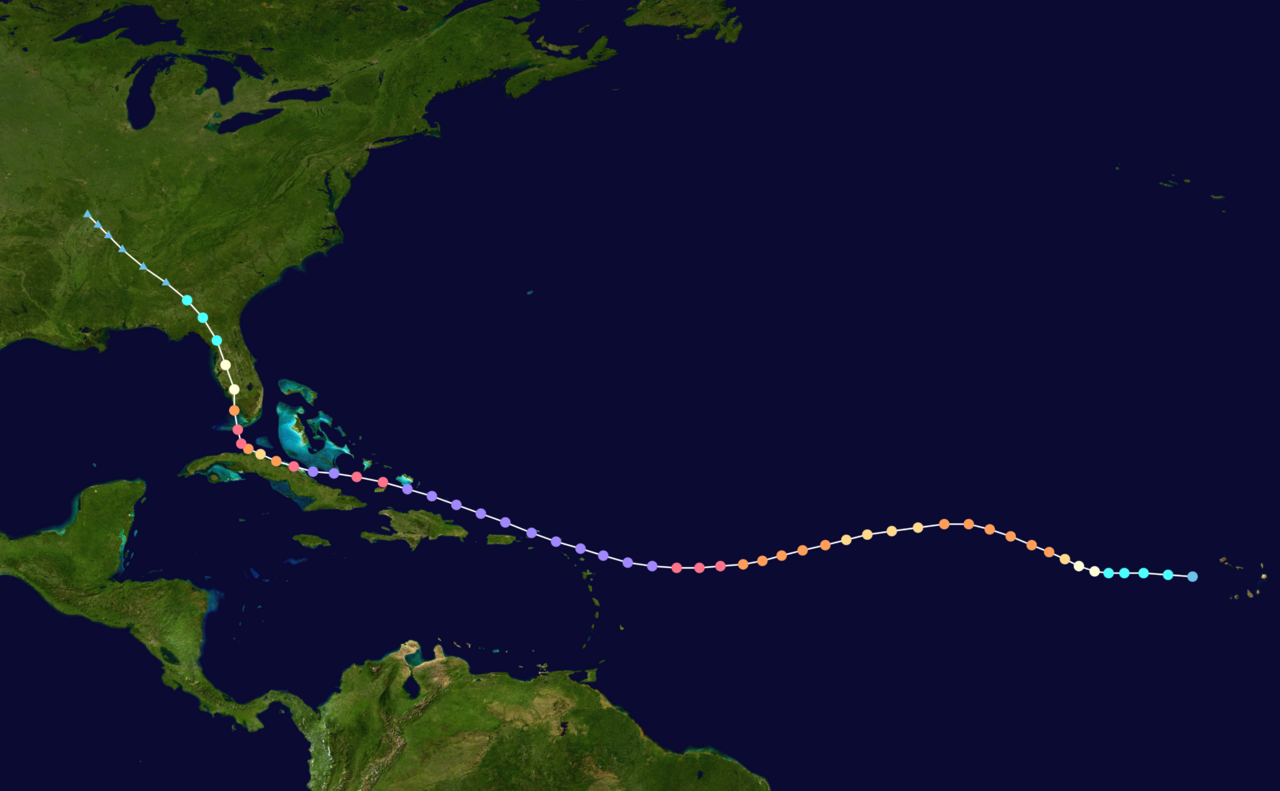
Irma developed from a tropical wave near the eastern Atlantic and was first noted on August 30, 2017, in the vicinity of the Cape Verde islands. It intensified steadily as it moved westward across warm tropical waters and low vertical wind shear. On September 5 it reached Category 5 status, with maximum sustained winds reported near 180 miles per hour — a peak intensity not seen in the Atlantic since Hurricane Wilma more than a decade earlier. Irma was notable for being unusually far east when it achieved Category 5 strength, making it the most easterly such storm on record in the Atlantic basin (record noted).
Track, landfalls, and warnings
The storm threatened and struck many island groups as it tracked west-northwest. Early forecasts and subsequent advisories covered much of the northeastern Caribbean. Watches and warnings were issued for territories from Haiti to Dominica, and governments and emergency agencies across the Leeward and Virgin Islands prepared for major impacts. The system was also projected to threaten the U.S. East Coast before models later focused landfall risk on southwest Florida and other portions of the southeastern United States (forecast information).
Impacts and damage
Irma caused catastrophic damage in parts of the northeastern Caribbean and severe impacts in Florida after making U.S. landfall. Island communities, including sections of the Leeward Islands, the Virgin Islands, and Puerto Rico, experienced intense winds, storm surge, and flooding. In the United States the storm inflicted widespread property and infrastructure losses, with estimated economic damages running into multiple tens of billions of dollars; commonly cited estimates place the total loss near $77 billion. Beyond property damage, Irma led to power outages, long-term disruptions to utilities and services, and notable humanitarian concerns in the hardest-hit areas.
Preparation, response, and aftermath
National and local authorities issued evacuations, opened shelters, and mobilized search-and-rescue and relief operations before and after Irma’s passage. The scale of recovery varied by location: some islands faced near-total destruction of housing and roads, while recovery in continental U.S. areas involved repair of extensive wind and flood damage. International and regional aid, along with domestic emergency funding, supported short- and long-term recovery efforts. The disruption to tourism, housing, and critical infrastructure highlighted vulnerabilities in coastal and island preparedness.
Legacy and notable facts
Irma stands out for its intensity, duration at major-hurricane strength, and its eastward reach as a Category 5 system. It was one of several consecutive hurricanes in the 2017 season, coming after storms such as Franklin, Gert, and Harvey (season context). Because of the storm’s severe impacts and loss of life, the name "Irma" was retired from future Atlantic lists by the World Meteorological Organization in April 2018 and subsequently replaced with "Idalia" for later seasons (retirement decision). For more detailed meteorological analyses and official advisories consult primary agency reports and post-storm assessments (historical comparison).
Questions and answers
Q: What category was Hurricane Irma?
A: Hurricane Irma was a Category 5 hurricane.
Q: How many named storms were there in the 2017 Atlantic hurricane season?
A: There were 9 named storms in the 2017 Atlantic hurricane season.
Q: How many hurricanes were there in the 2017 Atlantic hurricane season?
A: There were 4 hurricanes in the 2017 Atlantic hurricane season.
Q: How many major hurricanes were there in the 2017 Atlantic hurricane season?
A: There were 2 major hurricanes in the 2017 Atlantic hurricane season.
Q: When did Hurricane Irma develop near Cape Verde islands?
A: Hurricane Irma developed on August 30, 2017 near Cape Verde islands.
Q: What was the maximum sustained wind speed of Hurricane Irma when it became a Category 5 storm?
A: When it became a Category 5 storm, Hurricane Irma had maximum sustained winds of 180 miles per hour.
Q: What is the estimated amount of damage caused by Hurricane Irma?
A:Hurricane Irma inflicted an estimated $77 billion worth of damage.
Related articles
Author
AlegsaOnline.com Hurricane Irma (2017): Category 5 Atlantic storm and its impacts Leandro Alegsa
URL: https://en.alegsaonline.com/art/45919
Sources
- amp.cnn.com : "Powerful Hurricane Irma Could be Next Weather Disaster"