
Louis XVIII of France: Bourbon King during the Restoration (1755–1824)
Overview of Louis XVIII (1755–1824), the Bourbon king restored after Napoleon; his exile, two reigns, the constitutional charter, the Hundred Days interruption, and his role reconciling revolution and monarchy.
Louis XVIII (17 November 1755 – 16 September 1824) was King of France during two separate periods: from April 1814 until March 1815, and again from July 1815 until his death in September 1824. He returned to the throne as part of the Bourbon Restoration that followed the fall of Napoleon.
Image gallery
10 Images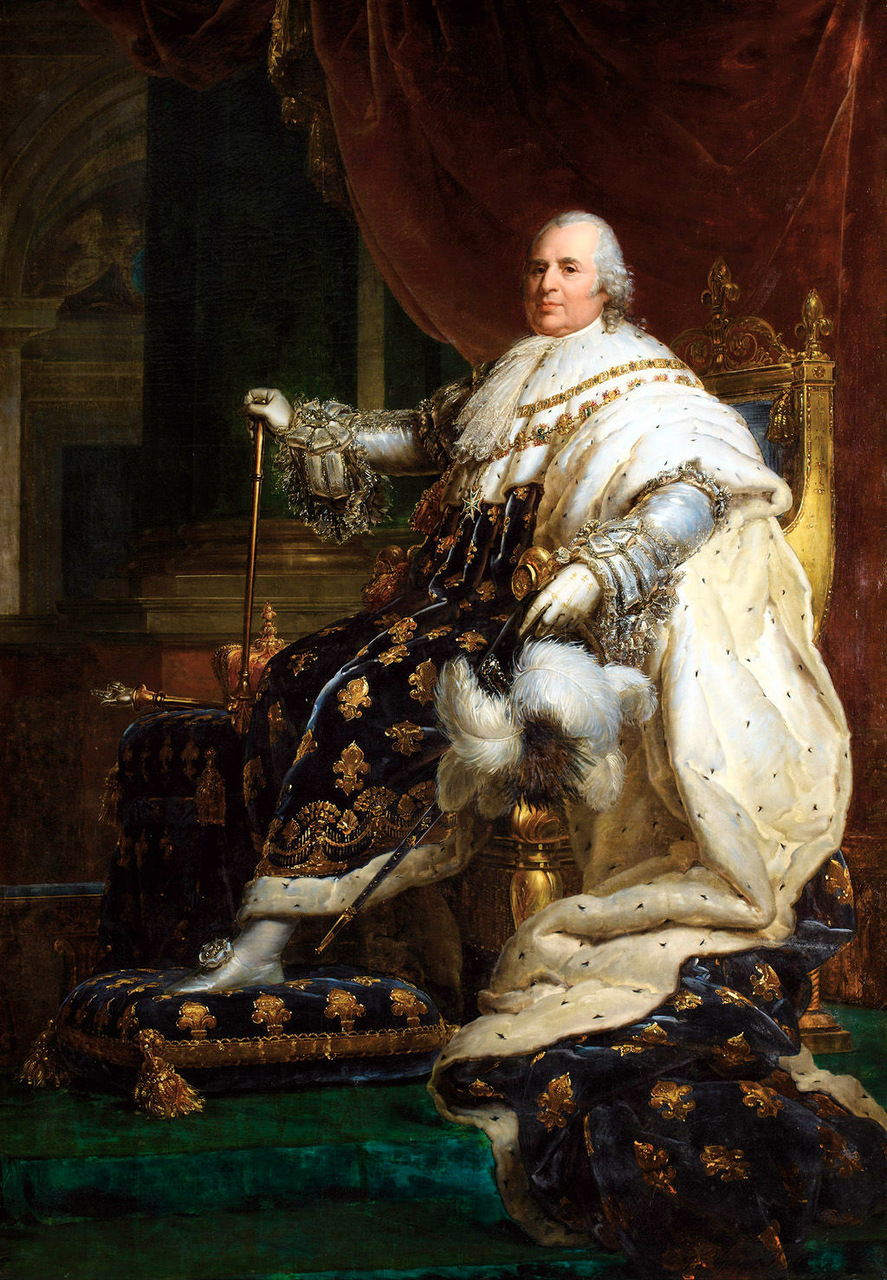
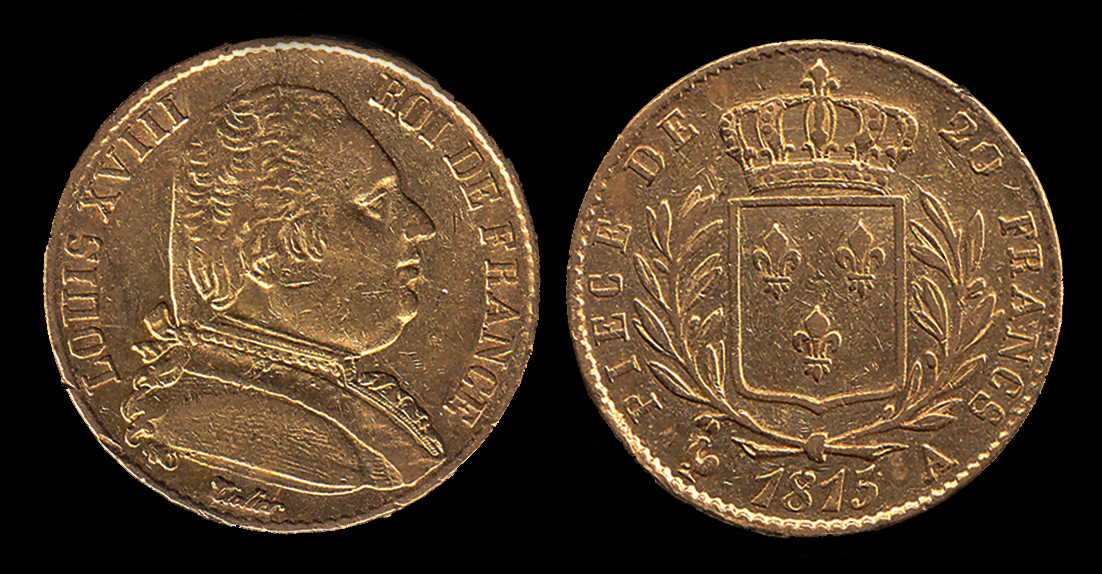


Early life
Born at Versailles into the royal family, he was the younger brother of King Louis XVI and was commonly styled the Comte de Provence before becoming king. When the French Revolution began, he initially remained in Paris but left the country in 1791 and went into exile, taking refuge in places including Belgium.
Claim to the throne during the Revolution
After the turmoil of the 1790s, Louis’s position changed as royal dynastic fortunes shifted: Louis XVI was put to death in 1793 by execution, and the young heir—often referred to as Louis XVI's son—died in 1795 while still a prisoner. In the absence of other surviving male dynasts, the exiled Comte de Provence assumed the title Louis XVIII and continued to press his claim from abroad.
Return and the nature of his rule
Louis XVIII came back to Paris after Napoleon’s first abdication in 1814 and accepted a settlement that established a constitutional monarchy. The charter under which he reigned limited royal power and created a parliamentary framework; however, the king retained influence over appointments and policy, so his role was not merely ceremonial.
The Hundred Days and final restoration
Napoleon’s unexpected escape from Elba in 1815 briefly interrupted Louis’s reign. Louis fled once more to Belgium, and Napoleon returned to power for the period known as the Hundred Days. After Napoleon’s ultimate defeat at Waterloo, Louis XVIII was restored to the throne in July 1815 and ruled until his death in 1824.
Death and legacy
Louis XVIII died in 1824 after a reign that bridged revolutionary and post-revolutionary France. His time on the throne is remembered for attempting to reconcile royal authority with the constitutional and social changes brought by the Revolution and the Napoleonic era.
- Born: 1755, Versailles
- First reign: April 1814 – March 1815
- Second reign: July 1815 – September 1824
Questions and answers
Q: Who was Louis XVIII?
A: Louis XVIII was the King of France from 1814 to 1815 and again from 1815 to 1824.
Q: How did Louis XVIII become king?
A: Louis XVIII became king through the Bourbon Restoration of the monarchy after the overthrow of Napoleon I.
Q: What type of monarchy did Louis XVIII rule over?
A: Louis XVIII ruled over a constitutional monarchy, meaning that he was not the main leader of his government.
Q: Did Louis XVIII have any influence in politics as a constitutional monarch?
A: Yes, Louis XVIII did have some influence in politics, unlike some other constitutional monarchs.
Q: What was Louis XVIII's early life like?
A: Louis XVIII was born in Versailles and was the brother of Louis XVI of France. In early life, he was known as the Comte de Provence.
Q: What happened to Louis XVIII during the French Revolution?
A: Louis XVIII remained in Paris after the French Revolution began in 1789 but escaped to Belgium two years later. After Louis XVI's execution in 1793 and the death of Louis XVI's son in 1795, he called himself Louis XVIII.
Q: When did Louis XVIII die?
A: Louis XVIII remained on the throne until his death in 1824.
Related articles
Author
AlegsaOnline.com Louis XVIII of France: Bourbon King during the Restoration (1755–1824) Leandro Alegsa
URL: https://en.alegsaonline.com/art/125415