
Hulagu Khan: Mongol Conqueror and Founder of the Ilkhanate
Hulagu Khan (c.1217–1265) was a Mongol prince who led major campaigns in Southwest Asia, destroyed Baghdad in 1258, and established the Ilkhanate in Persia, reshaping the region’s political and cultural landscape.
Hulagu Khan (also written Hulagu, Hülegü or Hulegu; names in other scripts appear in some sources) was a prominent Mongol commander and ruler of the mid-13th century who extended Mongol power into Southwest Asia. Born around 1217 and dying in 1265, his career linked the central Mongol dynasty to new political structures in Iran and the Levant. For reference to variant forms of his name see alternate names and for basic chronology see life dates.
Image gallery
10 Images

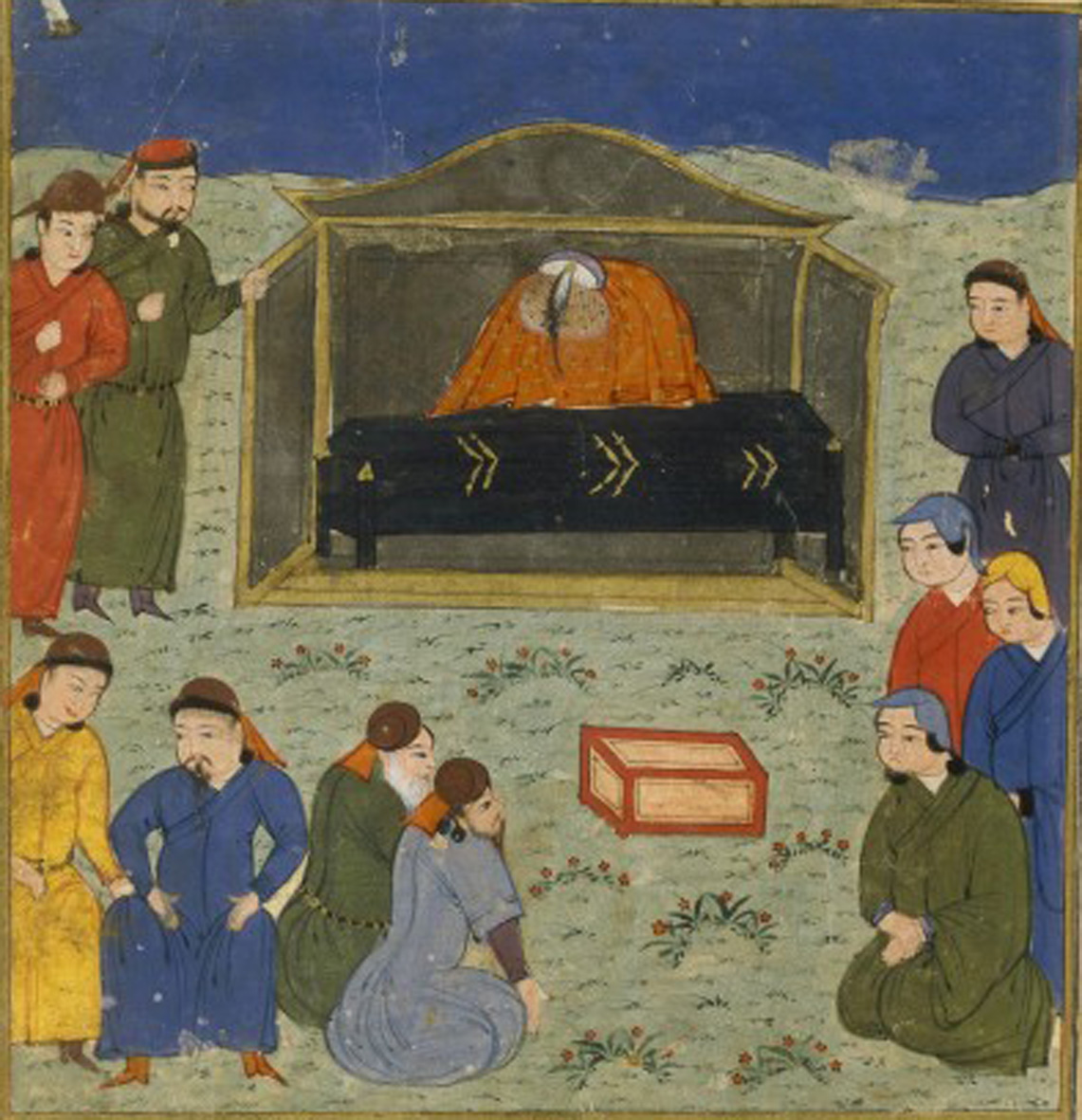
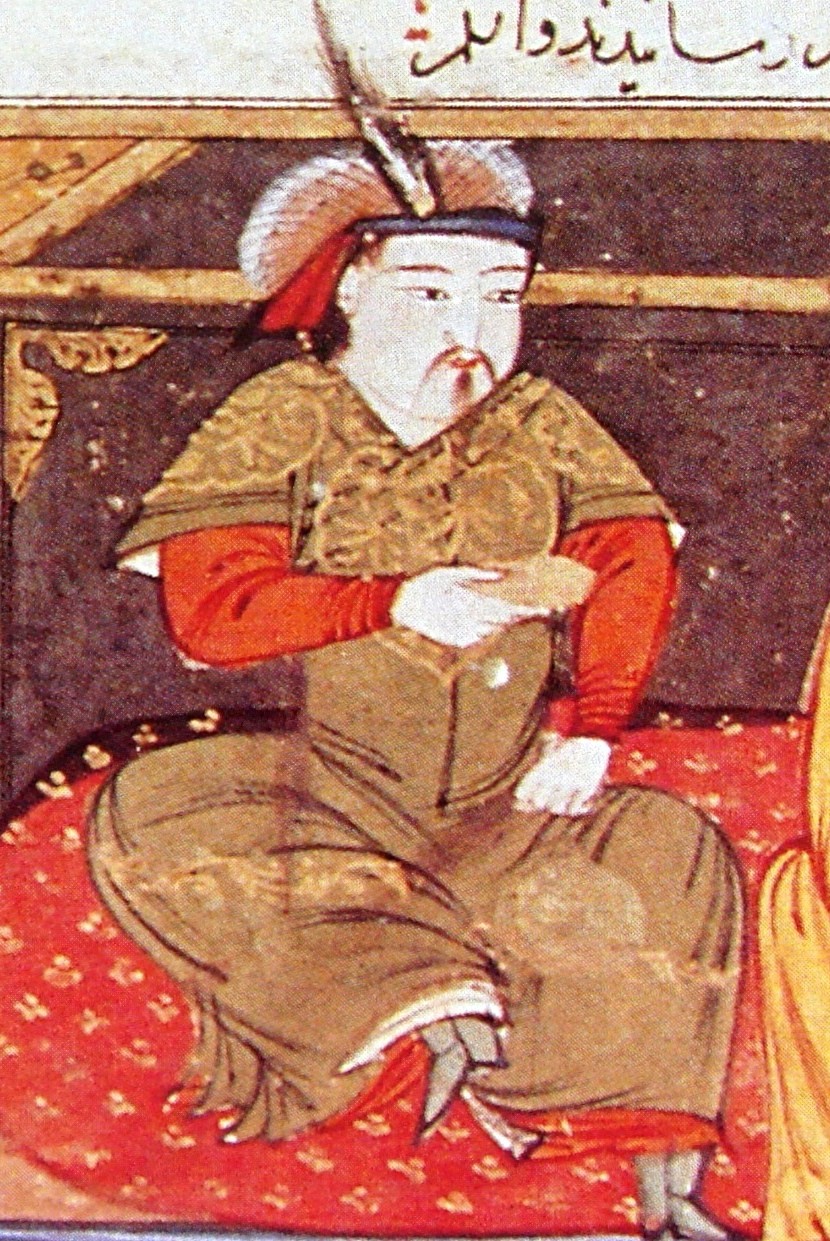


Background and family
Hulagu was a grandson of Genghis Khan through his son Tolui and the influential Toluid princess Sorghaghtani Beki. His brothers included Möngke and Kublai, both of whom played central roles in the wider empire; Hulagu’s place in the family network shaped his authority and the troops he commanded (Genghis Khan, Kublai Khan). He is sometimes noted in genealogies as connected by marriage and foster relationships to other regional elites; some sources also record his relationship to figures such as Absh Khatun.
Military campaigns and conquests
Commissioned by the Great Khan to secure the empire's southwestern flank, Hulagu led a large army of Mongol and allied contingents into Persia and the Levant. His forces besieged and dismantled the Nizari Ismaili strongholds (including the mountain fortress of Alamut) and then turned against the Abbasid caliphate. In 1258 his troops captured and sacked Baghdad, an event that ended the caliph’s political power and marked a dramatic rupture in Islamic world politics. Hulagu’s campaigns also reached Syria, where Mongol pressure led to the fall or submission of several cities, including episodes in and around Damascus.
Founding the Ilkhanate and governance
After these conquests Hulagu established a new Mongol polity in Persia often called the Ilkhanate, a regionally centered khanate that adapted steppe rule to settled, largely Islamic societies (Ilkhanate). The Ilkhanate became a vehicle for administrative change, urban patronage, and cross-cultural exchange: Mongol rulers incorporated local bureaucrats, sponsored astronomical and scholarly projects, and overseen tax and land arrangements suited to the region.
Relations, limits of expansion and legacy
Hulagu’s advance met limits in the west. The rise of the Mamluk state in Egypt and Syria checked Mongol expansion: after Hulagu’s initial gains, Mamluk forces based in Cairo defeated Mongol detachments and consolidated control over the Levant. Political developments in the Mongol heartland, including the death of the Great Khan and internal contests, also influenced Hulagu’s capacity to project power. Hulagu’s rule left enduring consequences: the destruction of Baghdad altered centers of Islamic authority, the Ilkhanate reshaped Persian administration and culture, and Mongol interactions with Christians, Muslims and other groups affected diplomatic and religious developments in the region.
- Notable actions: destruction of Nizari strongholds, sack of Baghdad (1258), foundation of the Ilkhanate.
- Connections: member of the Toluid lineage; allied and sometimes allied by marriage with Christian and local elites.
- Aftermath: long-term political fragmentation in the Middle East and cultural synthesis in Persia.
For further reading on Hulagu’s life, campaigns, and the institutions he created, consult focused historical studies and primary sources that examine the Mongol imperial project and Middle Eastern history in the 13th century. General introductions and specialized treatments are available through academic and public resources (Mongol history overview, name and language notes, chronologies).
Related articles
Author
AlegsaOnline.com Hulagu Khan: Mongol Conqueror and Founder of the Ilkhanate Leandro Alegsa
URL: https://en.alegsaonline.com/art/45619