
Huldrych Zwingli: Leader of the Swiss Reformation
Huldrych Zwingli (1484–1531) was a Swiss pastor and reformer whose preaching in Zürich advanced a distinct Protestant movement focused on Scripture, civic reform, and a reformed liturgy.
Overview. Huldrych Zwingli is remembered as a central figure of the Protestant Reformation in the Swiss lands. Born at the end of the 15th century, he developed a reforming program that combined rigorous biblical study with civic engagement. Scholars typically date his birth to 1 January 1484 (1484) and his death to 11 October (1531). His activity took place within the broader movement known as the Protestant Reformation and primarily within what is now Switzerland.
Image gallery
10 Images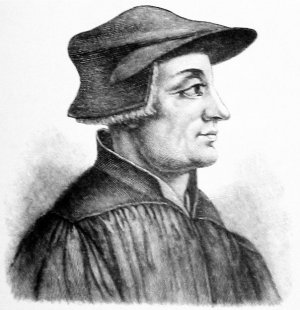


Early life and career
Zwingli came from a respected middle‑class family in the Toggenburg region; his native village is commonly given as Wildhaus in the canton of St. Gallen. Contemporary accounts and later scholarship describe his social origins as middle class. Educated in the late medieval university tradition, he developed interests in Scripture and classical learning typical of the northern European humanist movement and served as a parish priest and preacher before taking a pulpit in Zürich. His approach emphasized close reading of the Bible and the methods of a learned scholar rather than relying only on medieval scholastic authorities.
The Reformation in Zürich
When Zwingli began preaching in Zürich he moved quickly from pastoral instruction to proposals for institutional change. His reforms were supported by civic authorities, including leading magistrates and a prominent judge, enabling changes that affected worship, charity, education and the relationship of church and state. These measures transformed many aspects of public life and state matters in the city and provided the nucleus for what became the Swiss Reformed churches.
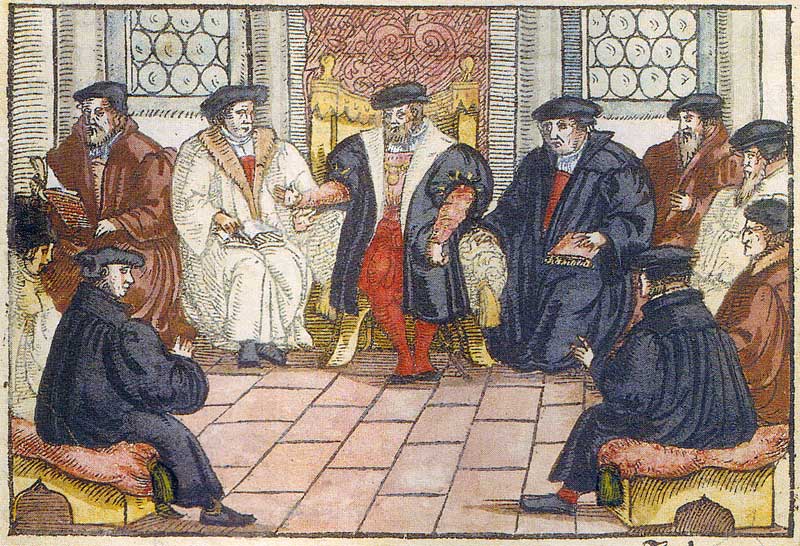
Theological distinctives and practice. Although Zwingli and Martin Luther arrived at Protestant conclusions independently and shared some common ground, they differed on several points even as they converged on others. Zwingli emphasized the authority of Scripture interpreted by reason, and he argued for a simplified liturgy and for removing images and ceremonies he saw as unsupported by the Bible. He reached conclusions about the Lord's Supper and other matters that were sometimes at odds with Luther; nevertheless, historians note a significant convergence in core reforming convictions (similar but distinct beliefs).
- Key emphases: sola Scriptura and pastoral preaching (Scripture, humanist exegesis).
- Worship: simplified services, removal of relics and images, congregational singing.
- Church governance: closer cooperation between civic magistrates and church leaders, shaping the Reformed institutions.
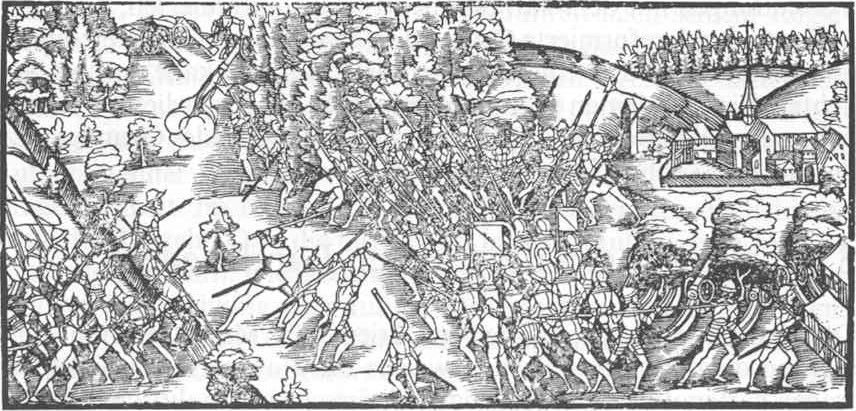
Conflict and death. The spread of reformed ideas in Switzerland produced tensions with jurisdictions that remained Catholic. Matters of doctrine and politics culminated in armed clashes between Protestant cantons and Catholic cantons. Zwingli was mortally wounded at the engagement of Kappel am Albis during a battle with forces aligned to the Roman Catholic cantons. His death in 1531 removed a prominent leader from the Swiss Reformation but did not end the movement he had helped institutionalize.
Legacy and significance. Zwingli's work reshaped civic life in Zürich and influenced Reformed Protestantism in other Swiss cities and beyond. His stress on preaching, scriptural study, and the integration of church and civic reform helped create a distinctive Reformed tradition that differed in practice and some doctrines from Lutheranism. He is remembered both for the content of his theology and for the political and social changes associated with his ministry. For further reading and archival materials see sources and collections identified by contemporary research projects and libraries (birth records, chronologies, death notices, 1531 studies, Reformation surveys, Swiss history, church histories, Luther comparisons, doctrinal analyses, biblical approaches, humanist influences, scholarly work, local studies, regional archives, social background, civic backing, state reform, Kappel, military encounters, Catholic response).
Related articles
Author
AlegsaOnline.com Huldrych Zwingli: Leader of the Swiss Reformation Leandro Alegsa
URL: https://en.alegsaonline.com/art/45622