
Huni — last pharaoh of Egypt's Third Dynasty
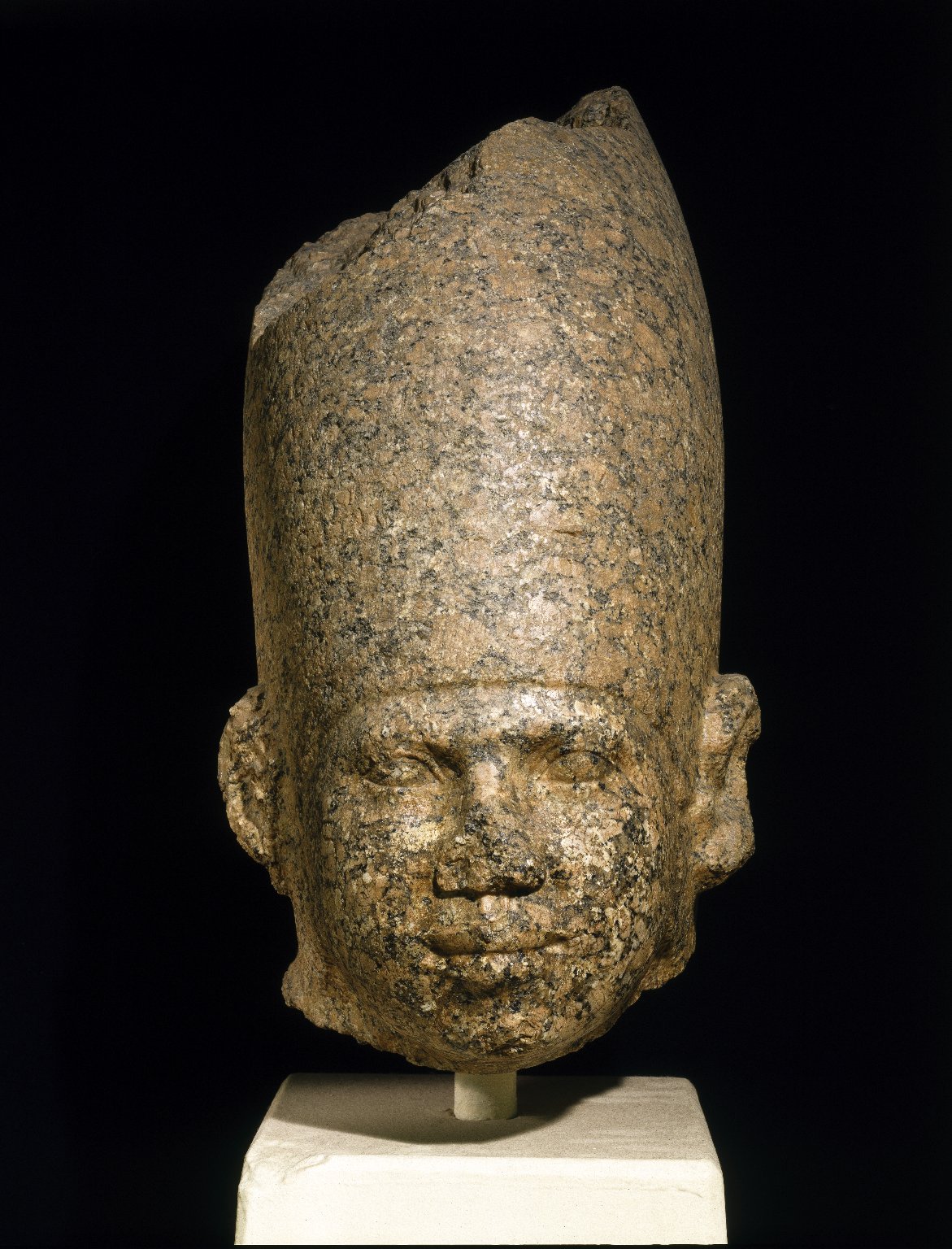
Huni is traditionally named as the final ruler of Egypt's Third Dynasty. His reign is poorly documented; he is linked to early pyramid building at Meidum, fortifications at Elephantine and dynastic ties to Sneferu and Khufu.
Overview
Huni is conventionally identified as the last pharaoh of Egypt's Third Dynasty. Contemporary records that explicitly name him are scarce, and much of what is asserted about his reign is derived from later king lists, fragmentary inscriptions and archaeological interpretation. Because the evidence is limited, many aspects of his life and reign remain a matter of scholarly debate rather than settled fact.
Image gallery
8 Images




Reign and political role
Available sources portray Huni as a ruler who presided over a period of administrative consolidation and architectural experimentation. He is sometimes credited with organizing defensive works on the southern frontier, notably the foundation of a fortress at Elephantine, an island strategic for controlling Nile traffic and border security. Such activities fit the pattern of a kingdom attentive to internal order and external control, but the precise scope and chronology of any projects attributed to Huni are uncertain.
Constructions and the Meidum complex
Huni is widely associated in modern discussion with the site of Meidum, where a large pyramid complex stands that shows both stepped and smooth-sided phases. Some Egyptologists propose that an initial, more modest structure was begun under Huni and later enlarged or modified by his successor; others attribute the main building work at Meidum to Sneferu. The architectural sequence at Meidum—showing a transition from stepped forms to an attempt at a true pyramid—illustrates the technical and aesthetic changes that mark the move from the Third to the Fourth Dynasty, but it does not provide a definitive inscriptional link to a single builder.
Elephantine and frontier works
References to fortifications on Elephantine are often mentioned in connection with Huni. Elephantine lies at a strategic point on the Nile near the first cataract and remained important for military and trade control. Attributions of particular walls or installations to Huni derive from later reports and from the distribution of contemporary remains; as with Meidum, material evidence can be interpreted in different ways and rarely yields an unambiguous royal name.
Family and succession
Genealogical information preserved in later inscriptions and tombs links Huni to the founding figures of the Fourth Dynasty. He is commonly said to have had two wives, often named in modern summaries as Djefatnebti and Meresankh I. Through these unions he is credited as the father of Hetepheres I and of Sneferu, the latter of whom became king and initiated the major pyramid-building program of the Fourth Dynasty. Sneferu is reported to have married Hetepheres, uniting branches of the royal house and producing the next generation, including Khufu, traditionally regarded as the builder of the Great Pyramid of Giza. These family connections are important for understanding how authority and prestige passed from one dynasty to the next, even if the exact relationships and titles can be debated.
Identity issues and possible earlier offices
Some texts record an official named Huni serving under an earlier ruler, and Egyptologists have discussed whether this person might be the same individual who later became king. For example, an official with the name Huni is associated in some sources with the court of Djoser. The suggestion that a senior dignitary could ascend to the throne is plausible in principle and would help explain continuity in administration and building programs, but the evidence does not allow a firm identification and many scholars treat the references as pertaining to different men of the same name. Another name sometimes mentioned in lists and fragmentary inscriptions is Khaba, whom some traditions list among late Third Dynasty rulers; the sequence and relationships among these names are reconstructed with caution.
Sources, dating and historiography
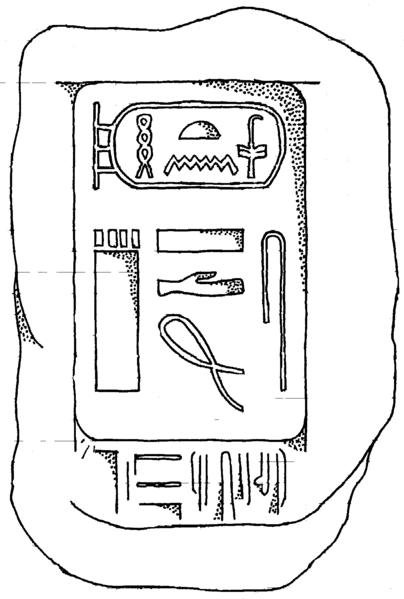
Our picture of Huni relies on a combination of archaeological remains, comparative masonry analysis, later king lists and genealogical data preserved in tombs. The lack of a monument bearing a clear, contemporary royal titulary leaves chronological placement and the length of his reign uncertain. Ancient king lists compiled centuries later preserve his name but sometimes reflect retrospective ordering that served later political narratives. Modern Egyptologists therefore combine material study with careful reading of later texts to propose likely scenarios rather than definitive chronologies.
Legacy
- Huni is conventionally regarded as the last ruler of the Third Dynasty and as a transitional figure into the Fourth Dynasty.
- He is linked—though not conclusively—to early works at Meidum and to fortifications on Elephantine, both of which illustrate the changing architecture and state concerns of the period.
- Through familial ties to Sneferu and the queen Hetepheres, he is an important ancestor in the lineage that led to Khufu and the major pyramid age on the Giza plateau.
- Because direct evidence is limited, Huni remains a subject of active research and debate, and new finds or re-evaluations of existing material could change current interpretations.
For readers seeking detailed treatments of Huni and the dynastic transition, specialist publications on Old Kingdom chronology, the Meidum complex and inscriptions from the late Third Dynasty provide fuller discussions and the differing viewpoints represented among researchers. The names and sites mentioned above can be followed through source placeholders for further study: Khaba, Djoser, Djefatnebti, Meresankh I, Hetepheres I, Khufu and the Great Pyramid of Giza.
Related articles
Author
AlegsaOnline.com Huni — last pharaoh of Egypt's Third Dynasty Leandro Alegsa
URL: https://en.alegsaonline.com/art/45752