
Kublai Khan: Founder of the Yuan Dynasty and Ruler of a Transcontinental Empire
Kublai Khan (1215–1294), grandson of Genghis Khan, completed the conquest of China, founded the Yuan dynasty and ruled a vast Eurasian realm, blending Mongol and Chinese institutions and sponsoring trade and religion.
Overview
Kublai Khan (23 September 1215 – 18 February 1294) was a leading figure of the Mongol world and one of the most influential rulers of the 13th century. Grandson of Genghis Khan, he became Great Khan after a struggle for succession and established control over China, proclaiming the Yuan Dynasty. His reign marked the high point of Mongol power in East Asia and a significant moment of cultural and administrative exchange between steppe and sedentary societies.
Image gallery
10 Images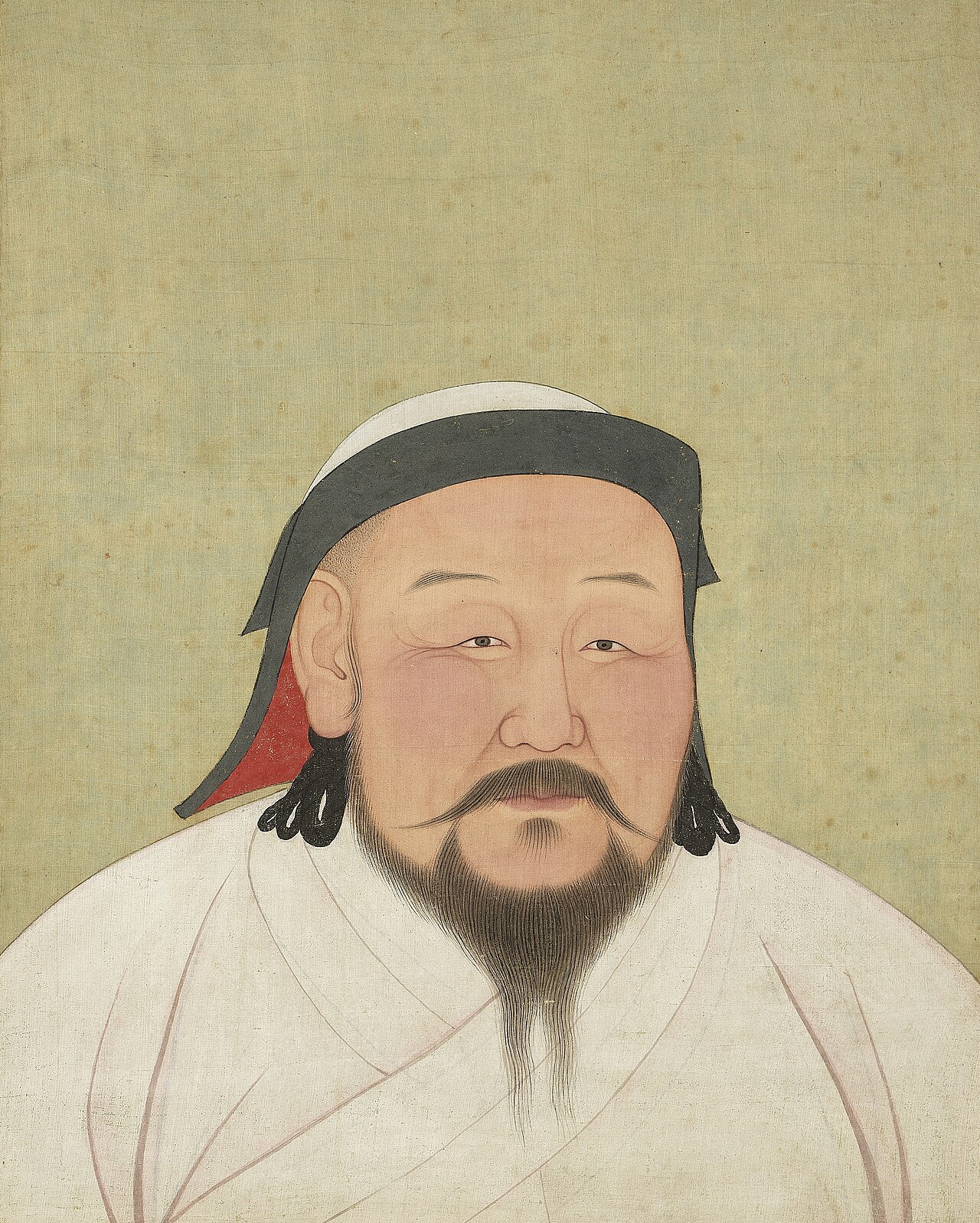

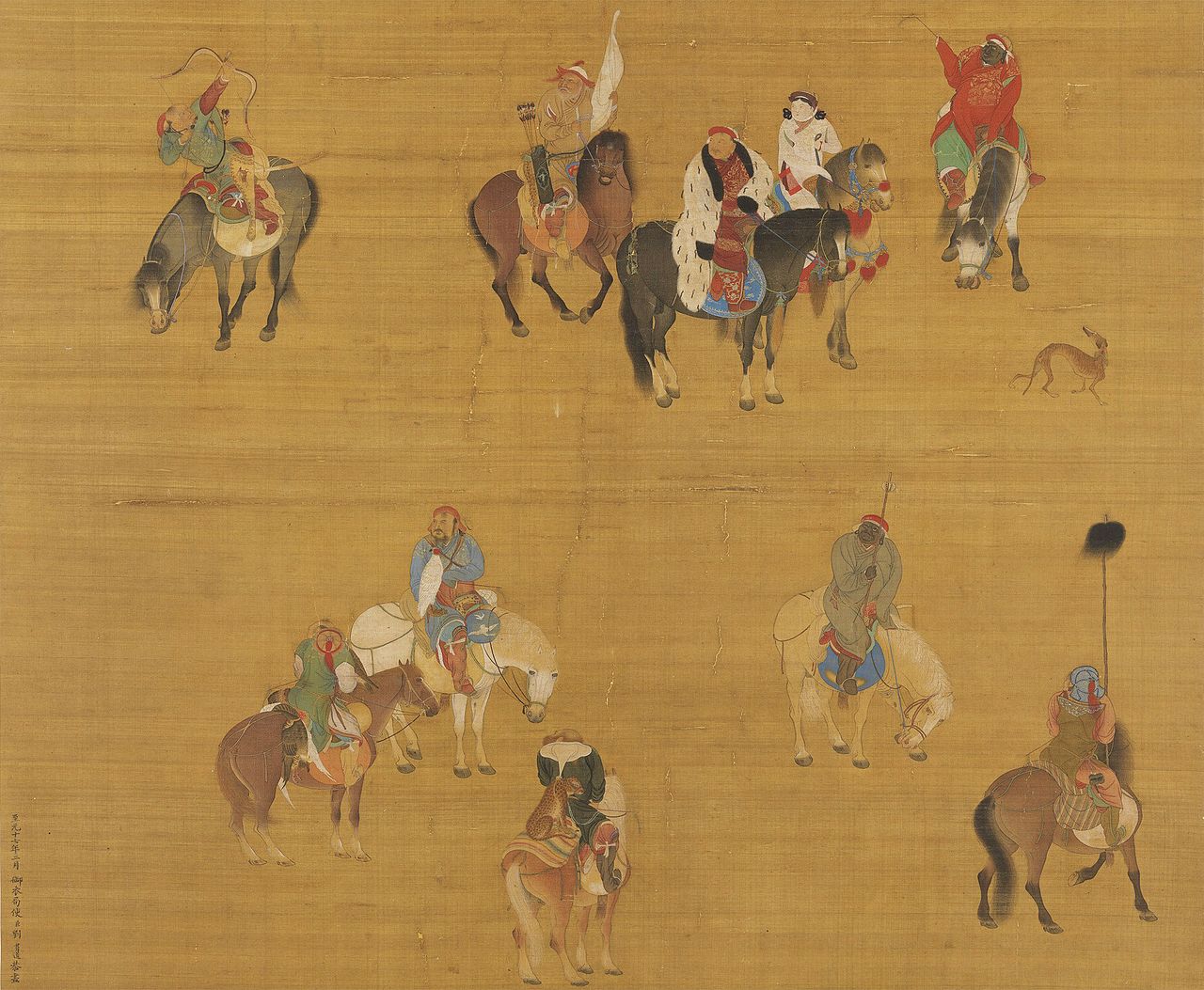


Early life and accession
Born to Tolui and Sorghaghtani Beki, Kublai was raised in a leading Mongol family and took part in military campaigns while young. After the death of his brother Möngke in 1259, a contest for the title of Great Khan led to civil war with his brother Ariq Böke; Kublai ultimately prevailed and consolidated authority over the eastern part of the empire. His rise fused traditional Mongol leadership norms with ambitions to rule the settled, literate states of East Asia.
Conquest of China and governance
Kublai completed the long campaign against the Song dynasty, effectively finishing the invasion of southern China and unifying nearly all of what is today China. He adapted Chinese institutions and court rituals while maintaining Mongol supremacy, creating a distinctive administrative system that mixed Mongol, Central Asian and Chinese practices. He established a capital at Khanbaliq (near modern Beijing), reorganized provincial administration, and encouraged trade and communication across his domains.
Policies, culture and economy
Ruling in the 13th century, Kublai promoted agricultural productivity, repaired canals and roads, and supported the use of paper money as a state instrument. His court was notably cosmopolitan: merchants, artisans and envoys from Persia, Europe and Southeast Asia were present, and he displayed religious tolerance—patronizing Tibetan Buddhism while also accommodating Confucian scholars, Daoists and Christians. This plural environment fostered artistic and intellectual exchange but also created tensions between Mongol rulers and traditional Chinese elites.
Military campaigns and foreign relations
Kublai led or sponsored further campaigns beyond China, including expeditions into Vietnam and attempts to subdue Java. His two major attempts to invade Japan ended in failure, in part because of storms that destroyed invasion fleets. He maintained diplomatic and commercial links across Eurasia, receiving travelers and traders whose accounts—most famously Marco Polo’s—helped shape later Western perceptions of Asia, though some details in these narratives are debated by historians.
Legacy and notable facts
Kublai Khan’s reign solidified Mongol influence over China and created a dynasty that lasted until the mid-14th century, when the Ming replaced the Yuan. His rule illustrates the processes of cultural adaptation and state-building when nomadic conquerors governed large sedentary populations.
- Administrative innovation: blended Mongol steppe governance with Chinese bureaucracy.
- Religious policy: practiced tolerance and patronized Buddhism while recognizing other faiths.
- Maritime limits: failed invasions of Japan highlighted logistical constraints of oversea conquest.
- Cultural contacts: under his rule, East–West trade and exchange intensified.
For further context and sources about Kublai Khan’s life and times see: khan (title), accounts of the invasion, histories of China in the 13th century, biographies of Genghis Khan, and studies of the Yuan Dynasty. Primary-source narratives and later scholarship provide complementary perspectives on his achievements and limits.
Related articles
Author
AlegsaOnline.com Kublai Khan: Founder of the Yuan Dynasty and Ruler of a Transcontinental Empire Leandro Alegsa
URL: https://en.alegsaonline.com/art/54539