
Howie Morenz — Early NHL Star and Montreal Canadiens Icon
Howard “Howie” Morenz (1902–1937) was a pioneering NHL centre known for speed, scoring prowess and three Stanley Cups with the Montreal Canadiens; his death and later honours cemented his place in hockey history.
Overview
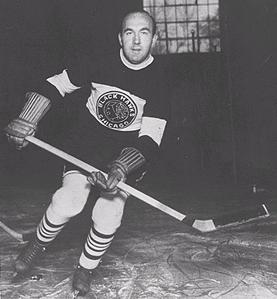
Howard William “Howie” Morenz (June 21, 1902 – March 8, 1937) was a Canadian professional ice hockey player and one of the earliest stars of the National Hockey League. A swift and inventive centre, Morenz brought a new level of speed and excitement to the professional game and spent the bulk of his career with the Montreal Canadiens, with later stints for the Chicago Black Hawks and the New York Rangers. He is remembered for his scoring, his skating and the strong bond he formed with fans in both Canada and the United States.
Image gallery
7 Images




Early life and junior career
Morenz grew up in Stratford, Ontario, where he developed into a fast, attacking player. He rose through the local ranks and played in the junior system governed by the Ontario Hockey Association. His junior teams contested eastern championships and he took part in challenges for the Memorial Cup, the national championship for junior ice hockey in Canada. Those formative years established his reputation as a quick skater with a natural scoring touch.
Professional career
Morenz joined the NHL in the 1920s and over 14 seasons became one of the league’s most celebrated performers. He led the Canadiens to three Stanley Cup championships and was a regular presence among the league’s leading scorers. For several seasons he topped his club in both goals and points, and he was repeatedly recognized by voters and the press for his contributions on the ice. His play stood out in an era when the professional game was evolving from a rugged contest into a speed-and-skill spectacle.
Style of play and nicknames
Morenz combined exceptional acceleration, nimble puck control and an ability to change direction at high speed. Those attributes earned him nicknames that referenced his origins and pace, including the “Stratford Streak” and the “Mitchell Meteor.” Contemporary accounts emphasize his role as a crowd-pleasing offensive catalyst whose skating influenced how forwards approached the centre position in the decades that followed.
Achievements and recognition
During his career Morenz was regularly among the NHL’s top scorers and received multiple individual honors, including selections to the NHL All-Star Team. He was widely viewed by journalists and fans of his era as one of the league’s most valuable players and featured prominently in period lists and rankings that surveyed the sport’s early professionals.
Injury, death and immediate reaction
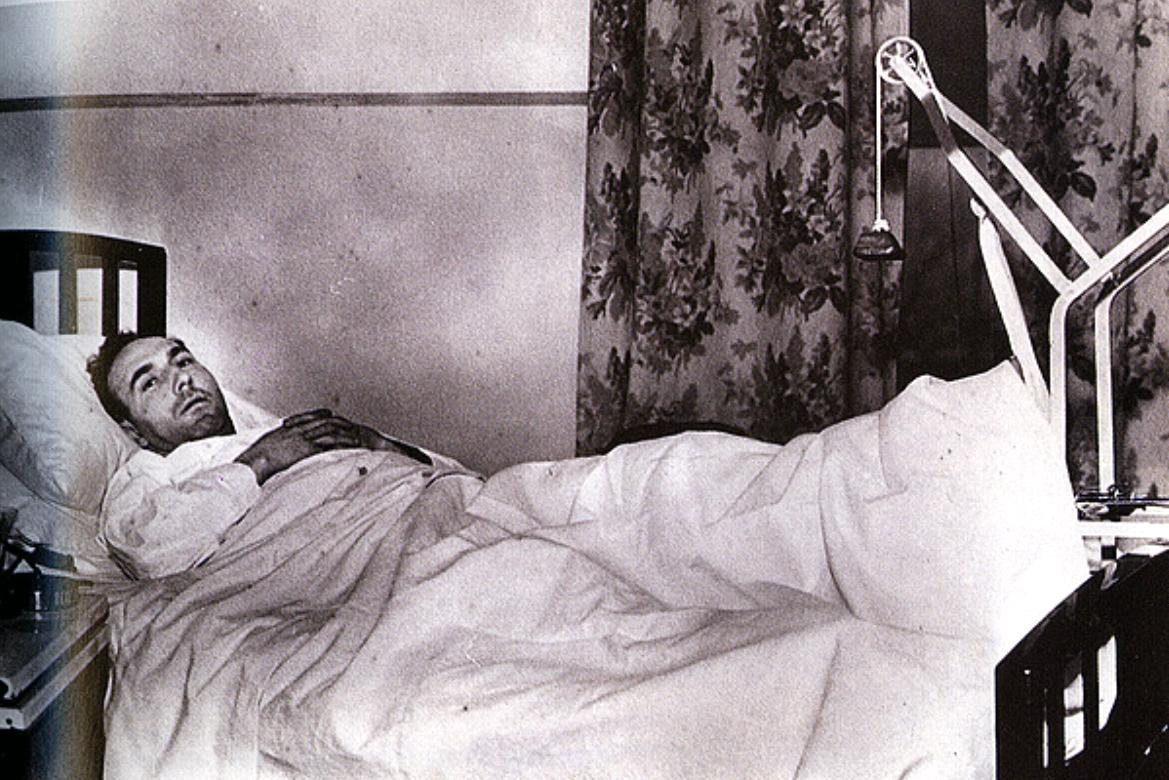
In 1937 Morenz suffered a serious broken leg during a game. Complications followed and he died shortly after the injury, a loss that shocked the hockey community. The public reaction was intense: fans and fellow players expressed deep mourning, and the Canadiens withdrew his sweater number from use — a singular tribute for the club at that time. The circumstances of his injury and death underscored the physical risks of the era and the personal connections between players and supporters.
Legacy
Morenz’s influence endured after his death. He was one of the first players elected to the Hockey Hall of Fame when it began honoring the game’s pioneers, and mid‑century surveys named him among the best players of the early decades. His career is cited in histories of the NHL as an example of how individual brilliance helped popularize professional hockey and shape expectations for speed and offensive skill.
Significance for the sport
- Playing style: Morenz helped define the archetype of a fast, playmaking centre who could both create and finish scoring opportunities.
- Team success: His contributions were central to multiple Canadiens championship teams and to the club’s growing identity in Montreal and beyond.
- Cultural impact: The public response to his career and premature death demonstrated hockey’s expanding place in North American popular culture during the interwar years.
Further study
Readers interested in the period can consult archival accounts of early NHL seasons, contemporary newspaper coverage of Stanley Cup playoffs, and retrospective works that review the evolution of scoring and player roles. For specifics about the competitions that shaped his early career, see material on the Memorial Cup and the junior systems run by the Ontario Hockey Association. Broader histories of the league and of the NHL era in which he played place Morenz among the formative figures who helped build professional hockey’s fan base and traditions.
Related articles
Author
AlegsaOnline.com Howie Morenz — Early NHL Star and Montreal Canadiens Icon Leandro Alegsa
URL: https://en.alegsaonline.com/art/45446
Sources
- nhl.com : Howie Morenz's NHL Profile