
Hoyt Wilhelm: Knuckleball Pioneer and Hall of Fame Relief Pitcher
Profile of Hoyt Wilhelm (1922–2002), a pioneering knuckleball relief pitcher who played 1952–1972, became the first reliever in the Hall of Fame and set multiple longevity and relief records.
Overview
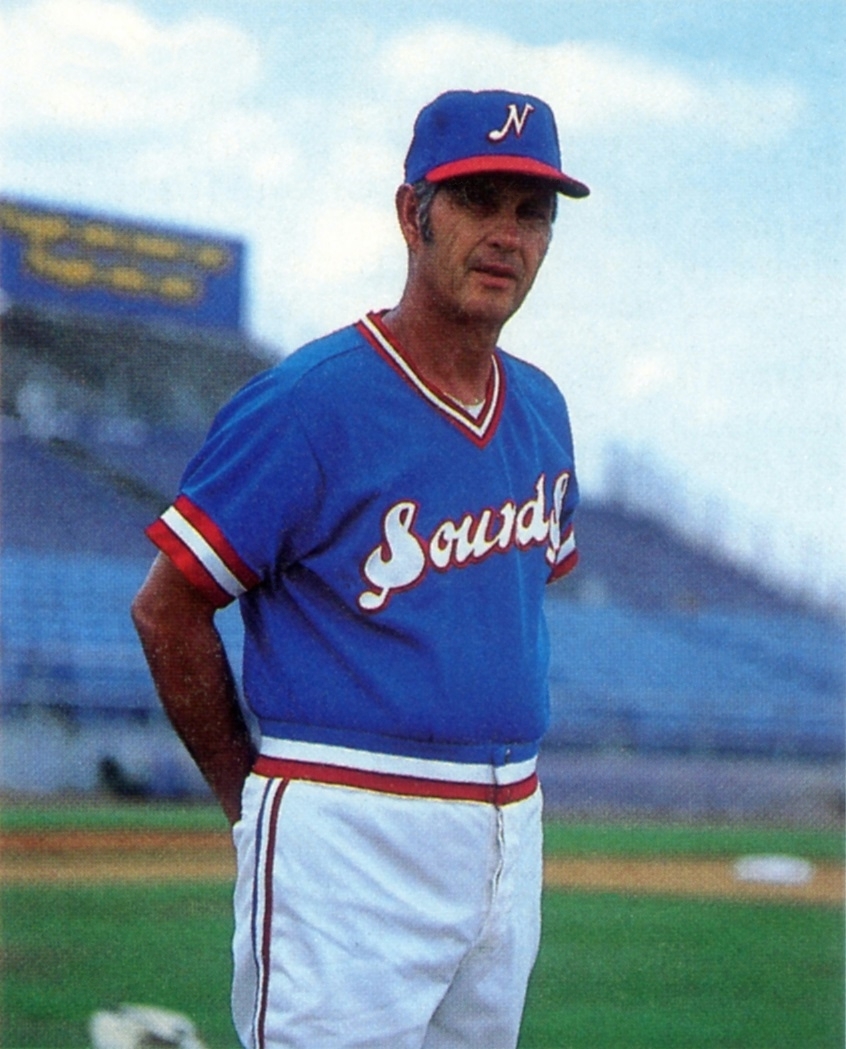
James Hoyt Wilhelm (July 26, 1922 – August 23, 2002), commonly called "Hoyt Wilhelm" or nicknamed "Old Sarge," was an American Major League Baseball pitcher best known for his mastery of the knuckleball and his long career as a relief specialist. He made his big-league debut in 1952 and remained an active player until 1972. Wilhelm became the first full-time relief pitcher elected to the National Baseball Hall of Fame, a recognition of his influence on how bullpens were used and how late-inning pitching was valued.
Image gallery
5 Images


Playing career and teams
Wilhelm reached the major leagues relatively late and built a reputation for durability and effectiveness. Over a 21-year major league span he played for many clubs, often as a reliever but occasionally as a starter. Teams he pitched for include:
- New York Giants
- St. Louis Cardinals
- Cleveland Indians
- Baltimore Orioles
- Chicago White Sox
- Atlanta Braves
- Chicago Cubs
- Los Angeles Dodgers
- California Angels
Pitching style and characteristics
Wilhelm was celebrated for his knuckleball, a pitch that moves erratically and can be difficult for hitters and catchers alike. The knuckleball allowed him to remain effective even as his arm speed declined with age, and it contributed to his unusual longevity in a role that often shortens careers. He combined the knuckleball with veteran savvy, changing speeds and locations to induce weak contact rather than overpower hitters.
Records, achievements, and legacy
Over his career Wilhelm collected more wins as a reliever than most of his peers and reached several milestones that underscored his durability: he was the first pitcher to record 200 career saves and one of the earliest to appear in 1,000 major league games. At retirement he ranked among pitchers with the lowest career earned run averages for his era. His Hall of Fame induction signaled a broader appreciation for the specialized relief role in modern baseball.
Early life, military service, and later years
Wilhelm did not enter the big leagues until his late twenties after serving in World War II. His nickname and leadership qualities reflected a stoic, team-first approach developed during his earlier years. After retiring as a player he spent time as a coach, including stints with the New York Yankees and later in the Atlanta organization. He lived for many years in Sarasota, Florida, and died in 2002 of heart failure. His career is often cited when discussing the development of relief pitching and the viability of specialty pitches such as the knuckleball.
Notable facts
- First relief pitcher elected to the Hall of Fame, highlighting a shift in how closers and relievers were valued.
- Known for pitching effectively into his late 40s, an uncommon feat in major league history.
- Combined longevity, a distinctive pitch, and steady performance to influence later generations of soft-tossing specialists.
For more detailed statistics, game logs, and historical context, consult dedicated baseball reference resources and Hall of Fame material maintained by major baseball archives and institutions (league sources and team histories such as those of the Giants, Orioles, and Braves).
Questions and answers
Q: What was James Hoyt Wilhelm's nickname?
A: His nickname was "Old Sarge".
Q: How many teams did Wilhelm play for during his Major League Baseball career?
A: He played for nine different teams, including the New York Giants, St. Louis Cardinals, Cleveland Indians, Baltimore Orioles, Chicago White Sox, California Angels, Atlanta Braves, Chicago Cubs and Los Angeles Dodgers.
Q: What type of pitch did Wilhelm throw?
A: He threw a knuckleball.
Q: How many games did he win as a relief pitcher?
A: Wilhelm won 124 games as a relief pitcher which is more than any other relief pitcher in history.
Q: Was he the first relief pitcher to be inducted into the Baseball Hall of Fame?
A: Yes, he was the first relief pitcher to be inducted into the Baseball Hall of Fame.
Q: Did Wilhelm coach after his retirement from playing baseball?
A: Yes, he coached both the New York Yankees and Atlanta Braves after his retirement from playing baseball.
Q: Where did Wilhelm live at the time of his death in 2002?
A: He was living in Sarasota Florida at the time of his death in 2002 due to heart failure while residing in a nursing home.
Related articles
Author
AlegsaOnline.com Hoyt Wilhelm: Knuckleball Pioneer and Hall of Fame Relief Pitcher Leandro Alegsa
URL: https://en.alegsaonline.com/art/45464
Sources
- nytimes.com : "Hoyt Wilhelm, first reliever in the Hall of Fame, dies"
- sabr.org : "Hoyt Wilhelm"
- huntersvilleherald.com : "Remembering a Huntersville legend"
- baseball-reference.com : "Hoyt Wilhelm Statistics and History"
- espn.go.com : "Wilhelm first reliever elected to Hall of Fame"