
National Hockey League (NHL): overview, history, structure and significance
The National Hockey League (NHL) is the premier professional ice hockey league in North America, tracing its roots to 1917. This article explains its structure, history, teams, and cultural and economic impact.
Overview
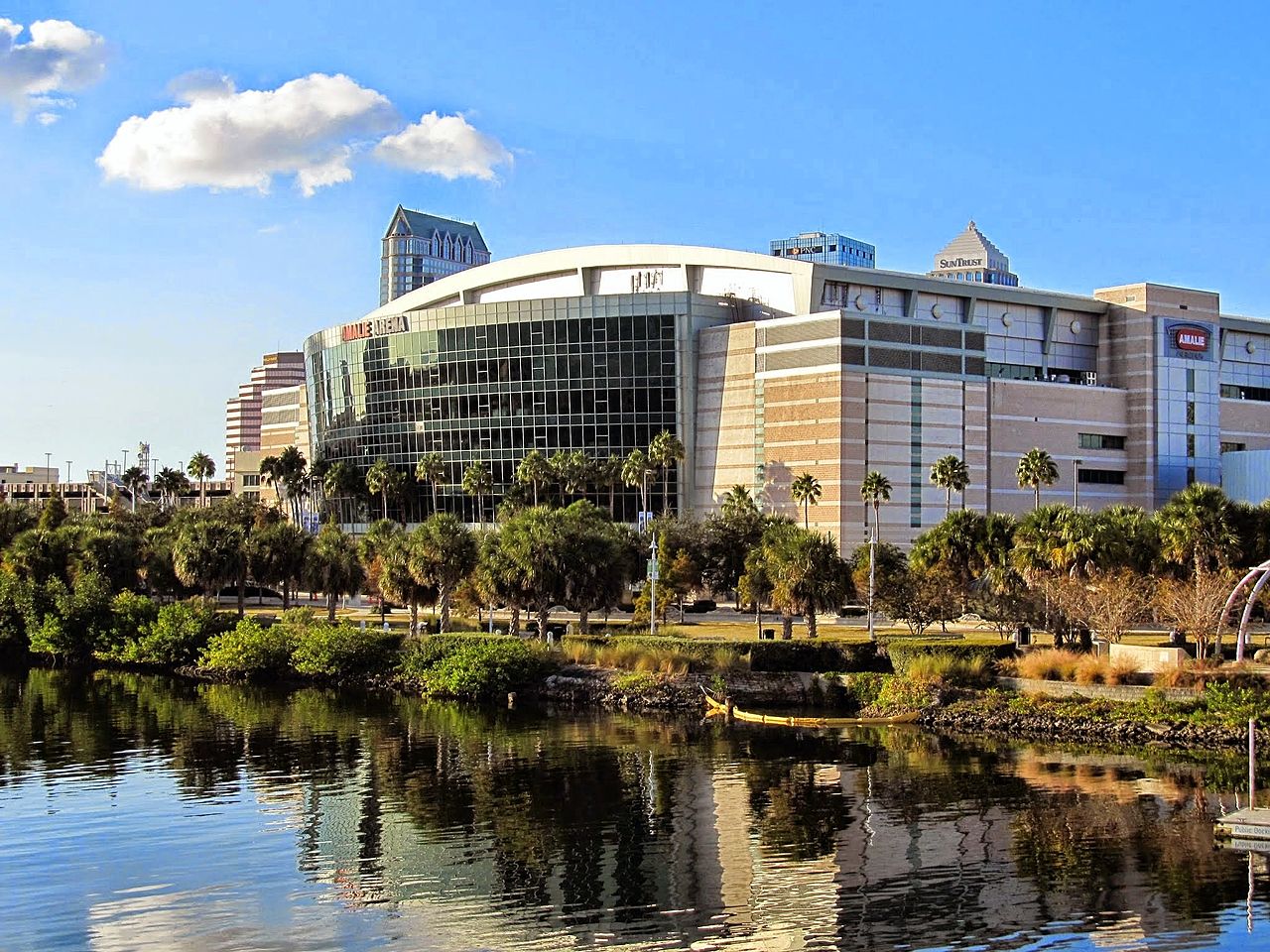
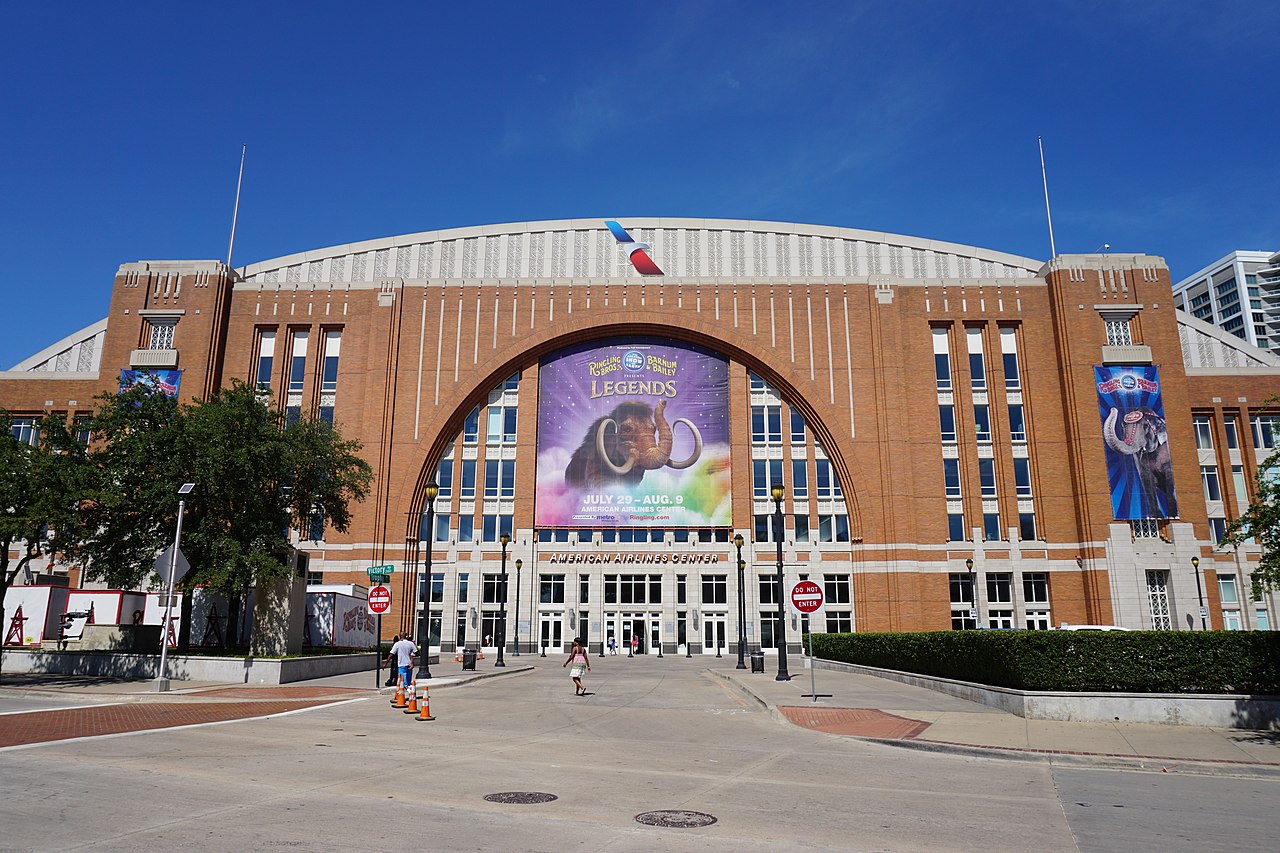
The National Hockey League (NHL) is widely recognized as the top professional competition in ice hockey. It is a North American league composed of 32 franchises: seven based in Canada and 25 in the United States. The season culminates in a multi-round postseason, with the champion awarded the historic Stanley Cup, one of the oldest trophies in professional sport. The league operates as a closed membership of franchises governed by a commissioner and a board of governors representing team ownership.
Image gallery
10 Images





Structure and season
Each NHL franchise fields a roster of players who compete in a regular season followed by the playoffs. Since the modern era the regular season has comprised 82 games per team, with standings determined by a point system that rewards wins and overtime or shootout losses. After the regular season, 16 teams qualify for the postseason and advance through elimination rounds to determine the Stanley Cup winner. The league enforces a salary cap and collective bargaining framework that shape player movement and team construction.
Early history and founding teams
The NHL was formed in 1917 out of disagreements among owners in an earlier organization, the National Hockey Association. The new league began with five clubs that were reorganized or relocated in its formative years. The initial entrants included:
- Montreal Canadiens
- Montreal Wanderers
- Ottawa Senators (an early franchise not directly connected to the modern club)
- Quebec Bulldogs
- Toronto Arenas (the franchise later evolved into other Toronto teams)
The league schedule was short by today’s standards, and the Wanderers ceased operations early in the first season when their home arena burned down. Over time teams were added, folded, or relocated as the sport and business evolved.
Contraction, the "Original Six" and expansion
Economic pressures, including the Great Depression, and the challenges of travel and finance reduced the NHL to six stable franchises by the early 1940s. Those clubs—the Boston Bruins, Chicago Black Hawks, Detroit Red Wings, Montreal Canadiens, New York Rangers and Toronto Maple Leafs—are commonly referred to as the "Original Six" and form a defining era in league history:
- Boston Bruins
- Chicago Black Hawks
- Detroit Red Wings
- Montreal Canadiens
- New York Rangers
- Toronto Maple Leafs (descended from the Toronto Arenas)
Beginning in 1967 the NHL embarked on a long period of expansion and franchise movement. New clubs were introduced, and several original markets changed ownership or location. Over the decades teams such as the Oakland Seals, Minnesota North Stars, Winnipeg Jets, Kansas City Scouts, Hartford Whalers and Quebec Nordiques underwent relocation, renaming, or replacement, shaping the map of professional hockey in North America.
Modern era, playoffs and championships
By the late 20th and early 21st centuries the league grew to more than 20 teams and eventually to its current 32. The regular season now leads into a postseason of four series of best-of-seven rounds; each round eliminates teams until one club earns the Stanley Cup. The format and number of playoff berths have evolved over time to balance divisional rivalry and broad competition, and the postseason remains one of the most-watched segments of the hockey calendar. For further detail on the postseason structure, see material related to the league playoffs.
Players, international influence and economics
The NHL is the primary destination for the world's top professional hockey talent. With robust revenues, many players command significant salaries and endorsements, attracting athletes from Europe and elsewhere to North American rosters. This internationalization has raised the overall standard of play and diversified fan interest. Franchise valuations, broadcasting rights, merchandising and arena revenues make the NHL a major sports business enterprise across the two countries it serves.
Notable facts and distinctions
Several clubs and episodes stand out in NHL history: the long-standing success of the Montreal Canadiens; the continuity and cultural importance of the Boston Bruins and New York Rangers; and the complex lineage of franchises that have relocated and rebranded, such as the original Ottawa Senators versus the modern Ottawa Senators. The league's development reflects broader social and economic trends, from regional growth to media expansion and the globalization of sport.
The NHL continues to adapt: it balances tradition and innovation while managing competitive parity, labor relations, and the commercial imperatives that keep professional hockey prominent in North America. For focused entries on specific clubs, seasons, or historic players, see companion articles and resources linked throughout this overview.
Questions and answers
Q: What is the NHL?
A: The NHL stands for the National Hockey League, which is the highest-level ice hockey league in the world.
Q: How many teams are there in the NHL?
A: There are 32 teams in the NHL - seven from Canada and 25 from the United States.
Q: What happens to the winner of each year's playoffs?
A: The winner of each year's playoffs wins the Stanley Cup.
Q: When was the NHL founded?
A: The NHL was founded in 1917.
Q: How many teams were part of it at first?
A: At first, there were five teams - Montreal Canadiens, Montreal Wanderers, Ottawa Senators (later St. Louis Eagles; not related to current Ottawa Senators), Quebec Bulldogs (later Hamilton Tigers) and Toronto Arenas (later St. Patricks, then Maple Leafs).
Q: How many games did they play a year at first?
A: At first, they played 22 games a year.
Q: Who are known as "The Original Six"?
A: The Original Six refers to six teams that remained during a period when some other teams folded due to economic hardship - Boston Bruins, Chicago Black Hawks, Detroit Red Wings, Montreal Canadiens, New York Rangers and Toronto Maple Leafs.
Related articles
Author
AlegsaOnline.com National Hockey League (NHL): overview, history, structure and significance Leandro Alegsa
URL: https://en.alegsaonline.com/art/68623
Sources
- nhl.com : "NHL turns 100 years old"
- nhl.com : "Teams"