
Centre (ice hockey position)
The centre is the central forward in ice hockey who takes faceoffs, leads playmaking, and supports both offense and defense. This article explains duties, skills, tactics, history and differences from wingers.
The centre (spelled "center" in American English) is one of three forward positions in ice hockey, occupying the middle of the forward line between the left wing and the right wing. Centres typically take faceoffs and act as the primary link between the defensive and offensive zones. Because they skate through the center of the rink, centres are often involved in both goal creation and defensive coverage, making them among the most versatile players on a team.
Image gallery
1 Image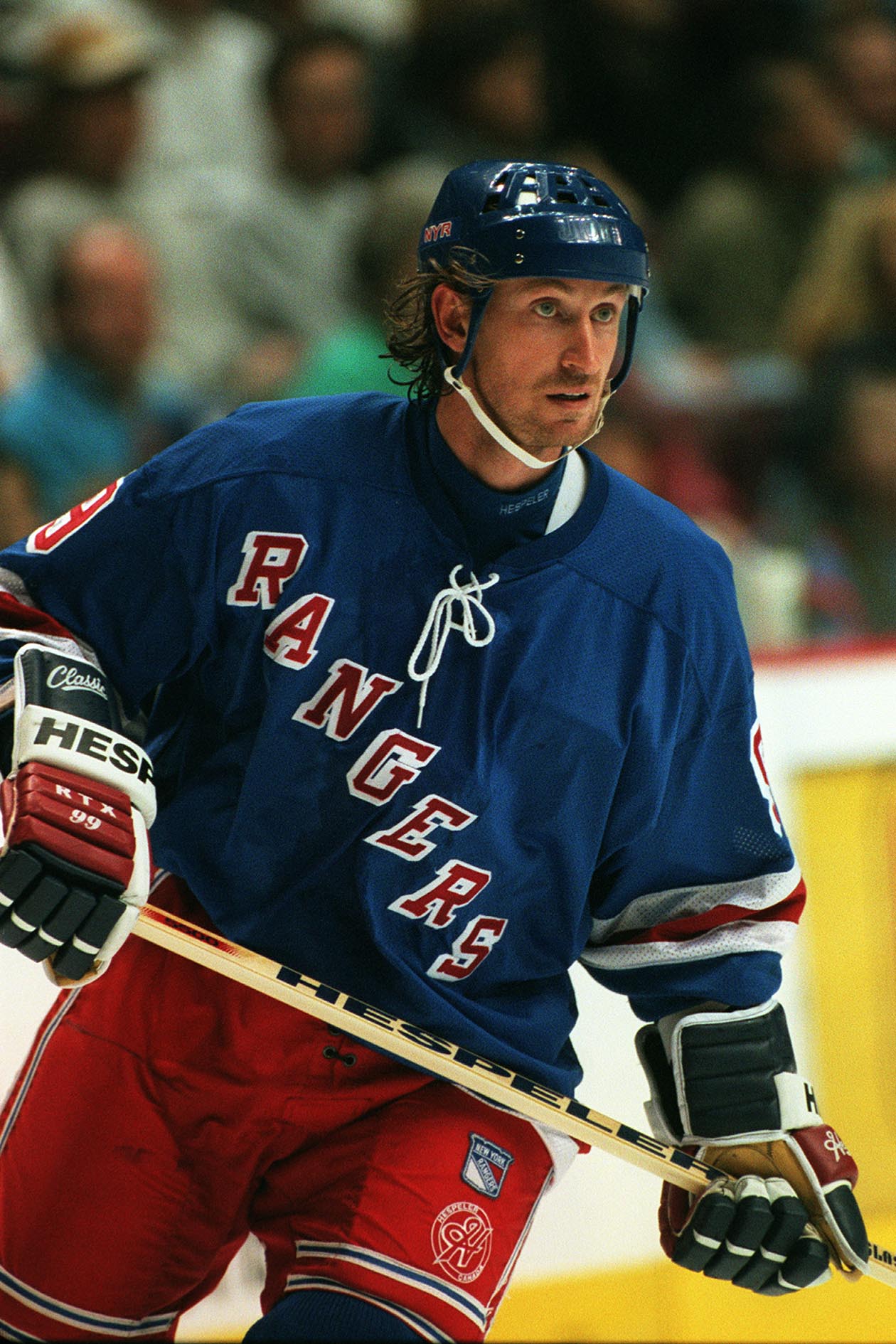
Primary responsibilities
A centre's duties vary by system and game situation but commonly include winning faceoffs, initiating attacks, distributing the puck to wingers, and supporting the defencemen in their own zone. In transition the centre frequently carries the puck through the neutral zone, looks for passing lanes, and reads the play to create scoring opportunities or to regain possession. On defense, centres backcheck, take away passing lanes, and help collapse in front of the net when required.
Skills and typical attributes
- Skating: strong edge work and acceleration to cover large ice areas.
- Vision and passing: ability to see the play and set up teammates.
- Faceoff technique: timing and leverage to secure possession.
- Two-way awareness: balance of offensive creativity and defensive responsibility.
- Versatility: ability to play on special teams such as power play or penalty kill.
Different centres emphasize different aspects: some are natural playmakers who lead their teams in assists, others are goal-scoring centres, and a number specialize as defensive or penalty-killing centres. Coaches may deploy a centre according to matchup needs—pairing a more physical centre against an opposing scoring threat, or a skilled passer to run the power play.
Historically, the centre role has evolved from a primarily offensive pivot to a demanding two-way position as the pace and tactical complexity of the game increased. Modern systems value centres who can manage faceoffs, handle puck possession under pressure, and support the team in all three zones. Because centres must read the game and direct teammates, many become on-ice leaders and captains.
In contrast to wingers, who generally patrol the sides and focus on finishing plays along the boards or in the corners, the centre's responsibilities are more centralized and varied. A successful centre combines technical skills, physical conditioning, and high hockey IQ to control the flow of a game and to provide balance between offense and defense.
For more on positional roles and tactics in the sport, see related position descriptions and strategy guides: overview of the game, comparisons with the wing positions, and defensive coordination with defencemen.
Author
AlegsaOnline.com Centre (ice hockey position) Leandro Alegsa
URL: https://en.alegsaonline.com/art/18105