
Hua Guofeng: Chinese leader who succeeded Mao and oversaw the end of the Cultural Revolution
Hua Guofeng (1921–2008) was a Chinese Communist Party leader who succeeded Mao Zedong, helped end the Cultural Revolution, ordered the arrest of the Gang of Four and led China in the late 1970s and early 1980s.
Overview
Hua Guofeng (born 16 February 1921, died 20 August 2008) was a Chinese Communist politician who rose to national leadership after the death of Mao Zedong. He held the top party post from October 1976 to June 1981 and is best known for presiding over the immediate post-Mao transition, ending a period of mass political upheaval and initiating a more orderly transfer of power.
Image gallery
9 Images


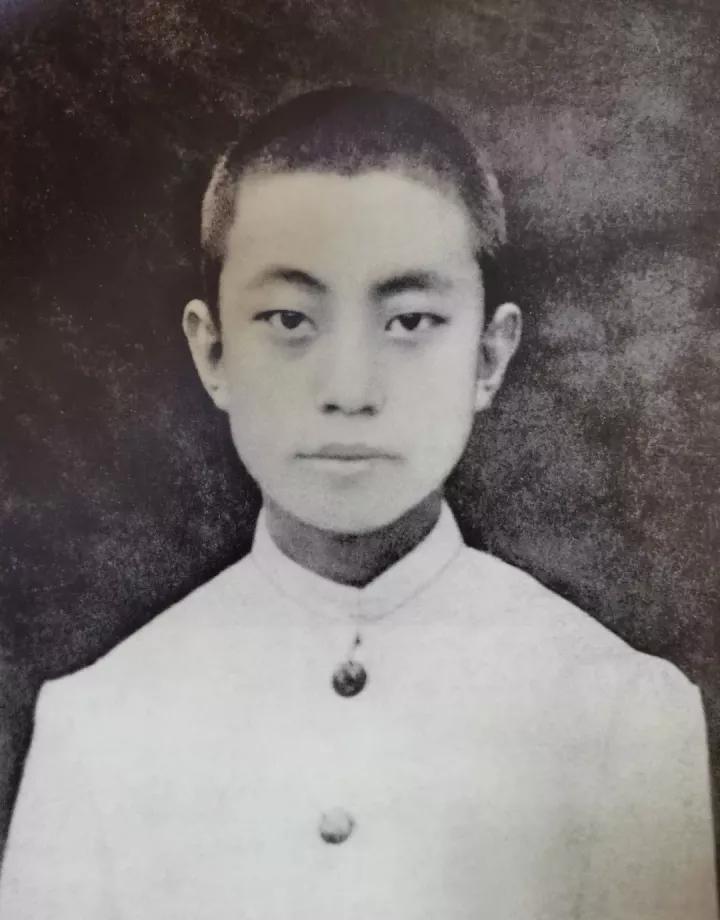
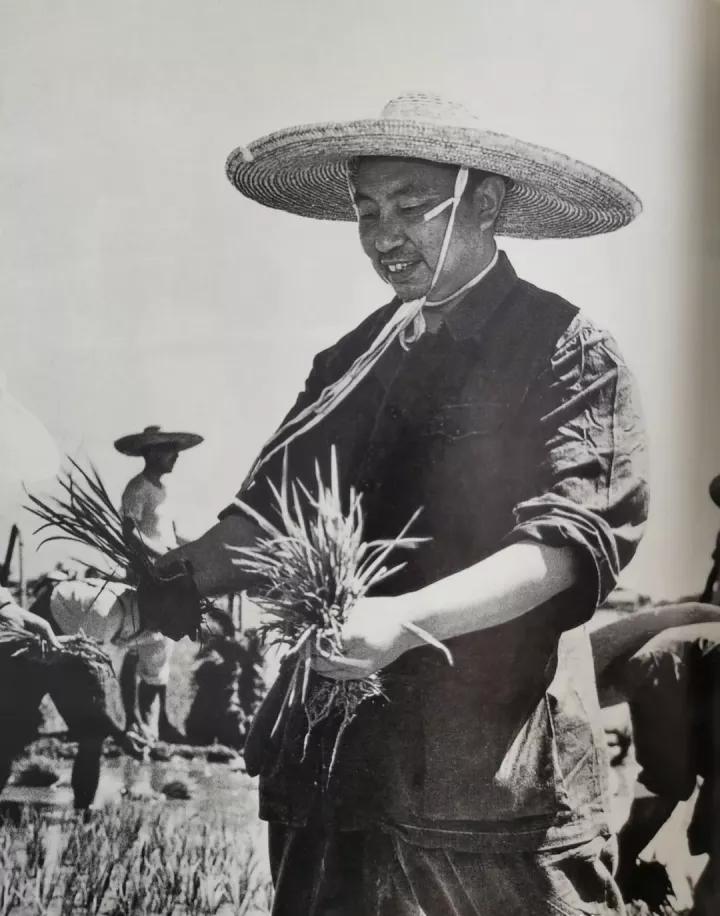
Early life and political career
Hua was born in Jiaocheng County, Shanxi, and entered revolutionary activity in his youth. Over decades within the party state, he occupied industrial and provincial posts and developed a reputation as a reliable administrator. By the mid-1970s he had emerged as a trusted figure within party circles and was elevated to national leadership following Mao’s death.
Leadership and major actions
Immediately after taking the top position, Hua moved to stabilize the country. He is associated with the official decision to end the Cultural Revolution era of mass political campaigns and factional struggle, and with the arrest of the Gang of Four, a group blamed for much of that turmoil. Hua used the title of party chairman and sought to preserve continuity while restoring administrative order.
Domestic policy and political trajectory
Hua presented himself as both a loyal heir to Maoist policies and a pragmatic administrator. His brief tenure bridged revolutionary politics and the later reform era. During this period debates intensified inside the leadership over economic policy and the appropriate balance between ideological continuity and modernization. Those debates eventually led to a gradual reduction of Hua’s influence as other leaders advocated more extensive reforms.
Foreign relations and historical significance
Under Hua’s leadership China re-established more normal diplomatic exchanges and contacts with Western and European governments. In 1979 he made a notable visit to European leaders, described at the time as the first such Chinese visit since 1949. This period helped set the stage for the broader opening and reform policies that followed under subsequent leadership.
Later life and legacy
In later years Hua retired from frontline politics and lived in Beijing. Observers credit him with bringing an abrupt and often violent chapter of politics to an end and with creating the conditions for later economic and diplomatic shifts, while critics note his limited achievements in launching sustained reform. He remains a transitional figure in modern Chinese history.
- Key positions: senior Communist Party leader and party chairman (Communist Party of China)
- Noted actions: ended the Cultural Revolution, ordered the arrest of the Gang of Four
- Birthplace and death: Jiaocheng County, Shanxi (born) — Beijing (died)
- Role in succession: chosen as Mao’s designated successor and transitional leader (Chinese Communist leader)
Related articles
Author
AlegsaOnline.com Hua Guofeng: Chinese leader who succeeded Mao and oversaw the end of the Cultural Revolution Leandro Alegsa
URL: https://en.alegsaonline.com/art/45480
Sources
- telegraph.co.uk : "Hua Guofeng, successor to Chairman Mao, dies"