
Hovhannes Shiraz: Armenian Poet (1915–1984)
Hovhannes Shiraz (1915–1984) was a leading Armenian poet known for intense lyricism, patriotic themes and folk-infused imagery. He published widely and remains influential in Armenian culture.
Overview
Hovhannes Shiraz (born Hovhannes Garabedyan; April 27, 1915 – April 14, 1984) is remembered as one of the most emotive and popular voices of twentieth-century Armenian poetry. His work combined intimate lyric feeling with public address, often moving between personal love lyrics and poems of national memory. Shiraz's lines entered both literary circles and popular culture: many of his poems were recited aloud, adapted into song, and circulated widely in Armenia and in diasporic communities. For an introductory biographical overview and references, see a general biographical overview.
Image gallery
4 Images


Early life and name
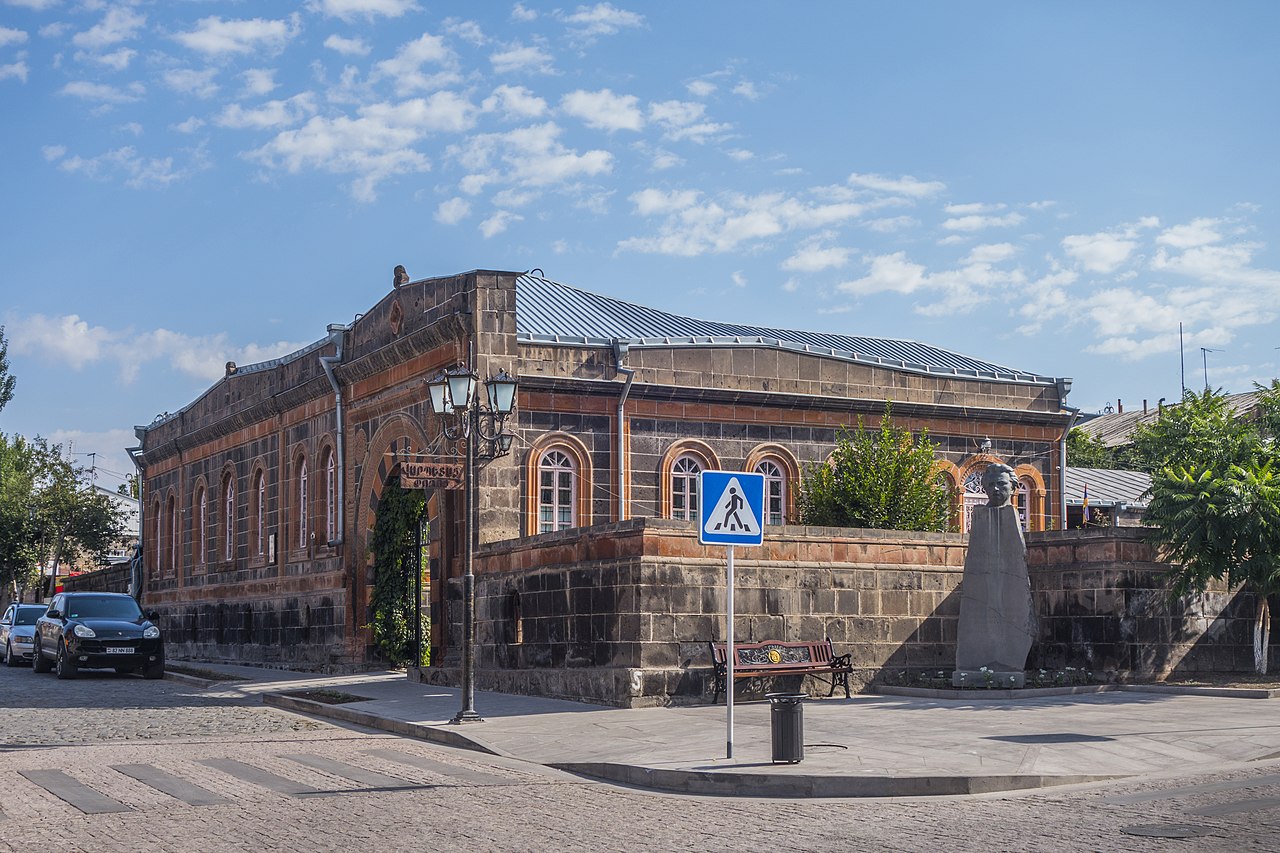
Shiraz was born in Alexandropol, then part of the Russian Empire and today known as Gyumri. He first appeared in print in 1935 with a work titled Beginning of Spring. Early in his career the novelist Atrpet gave him the pen name "Shiraz," likening his verse to the fragrant roses and poetic heritage associated with the Iranian city of Shiraz. The name emphasized the fragrant, floral qualities critics and readers sometimes heard in his imagery.
Literary career
Most of Shiraz's publications were collections of verse. His poems ranged in scale from brief, direct lyrics to longer, declamatory pieces that address history, suffering and communal resilience. Writing during the Soviet period, Shiraz navigated the expectations of official literary life while cultivating a voice often described as urgent and heartfelt. His work drew on Armenian folk idioms, religious references and the cadences of spoken language, which made his poetry accessible to a broad readership.
Style and themes
- Emotional intensity: Shiraz is frequently praised for the immediacy of feeling in his lines and his capacity for passionate address.
- Patriotism and memory: many poems evoke Armenian history, landscapes and collective endurance; he wrote about loss and survival in tones that could be both mournful and defiant.
- Folk and religious imagery: he used motifs from oral tradition and Christian iconography to give his work local resonance.
- Direct diction: his language often favors clarity and striking, concrete metaphors over dense experimentation.
Personal life
Shiraz's personal life intersected with the literary world. He married the poet Silva Kaputikyan, with whom he had a son, the sculptor Ara Shiraz. Silva Kaputikyan herself was a major figure in Armenian letters, and their relationship is frequently noted in accounts of twentieth-century Armenian culture; see a profile of Kaputikyan for context via Silva Kaputikyan. Shiraz's family connections and friendships with other writers and artists contributed to his public visibility and to collaborative cultural projects.
Reception and legacy
Over decades Shiraz became a symbol of passionate poetic expression in Armenia. His poems continue to be read, set to music and taught in schools. Commemorations include public dedications and cultural memory projects in Armenia and among Armenian communities abroad. A street in the Julfa quarter of Isfahan is named after him, reflecting historical ties between Armenian communities and the wider region. For documentary portrayals, Levon Mkrtchyan's 2005 film "Hovhannes Shiraz" presents archival material and interviews that illuminate his life and work.
Publications and resources
While a complete bibliography requires consulting specialized catalogs, readers can find collections of Shiraz's poetry in Armenian editions and in selective translations. Many libraries and Armenian cultural organizations list his works and related materials; some curated lists and purchase options appear in bibliographies and catalogs compiled by cultural institutions. Translations into other languages exist but vary in scope and availability, so interested readers are advised to check academic and public library holdings for reliable editions.
Further reading
Shiraz remains a subject of scholarly and popular interest. Literary histories of modern Armenian poetry place him among the poets who helped shape a twentieth-century national voice. Studies of Soviet-era Armenian literature also discuss the ways poets like Shiraz balanced individual expression and social themes. For readers seeking primary texts, critical commentary or audiovisual material, the links and resources noted above provide useful starting points.
As an enduring figure in Armenian letters, Hovhannes Shiraz continues to be read for the warmth of his tone, the directness of his address and the cultural memory embedded in his work. His poems, whether short lyrics or longer odes, still appeal to readers who value clarity of feeling and a strong sense of communal identity.
Related articles
Author
AlegsaOnline.com Hovhannes Shiraz: Armenian Poet (1915–1984) Leandro Alegsa
URL: https://en.alegsaonline.com/art/45392