
Howard Carter — British Egyptologist and Discoverer of Tutankhamun's Tomb
Howard Carter (1874–1939) was an English archaeologist and Egyptologist who led the 1922 discovery of Tutankhamun’s nearly intact tomb. His meticulous recording and conservation helped shape modern archaeological practice.
Overview
Howard Carter was an English archaeologist and Egyptologist best known for directing the discovery of the tomb of the Pharaoh Tutankhamun in 1922. He was born on May 9 of 1874 and died on March 2 of 1939. Carter combined skills in documentation, illustration and field archaeology, and over a long career he made important contributions to the recording and conservation of funerary material from the Egyptian past.
Image gallery
10 Images



Early life and career
Carter was the son of Samuel and Martha Carter. He began working on Egyptian sites as a young man, gaining experience with the Egyptian Antiquities Service and with foreign archaeological missions. In those roles he learned drawing, recording and conservation techniques that later informed his approach to excavation. Over time he moved into private excavation and specialized work in the Valley of the Kings and surrounding areas, building a reputation for careful, methodical practice.
The discovery of Tutankhamun's tomb
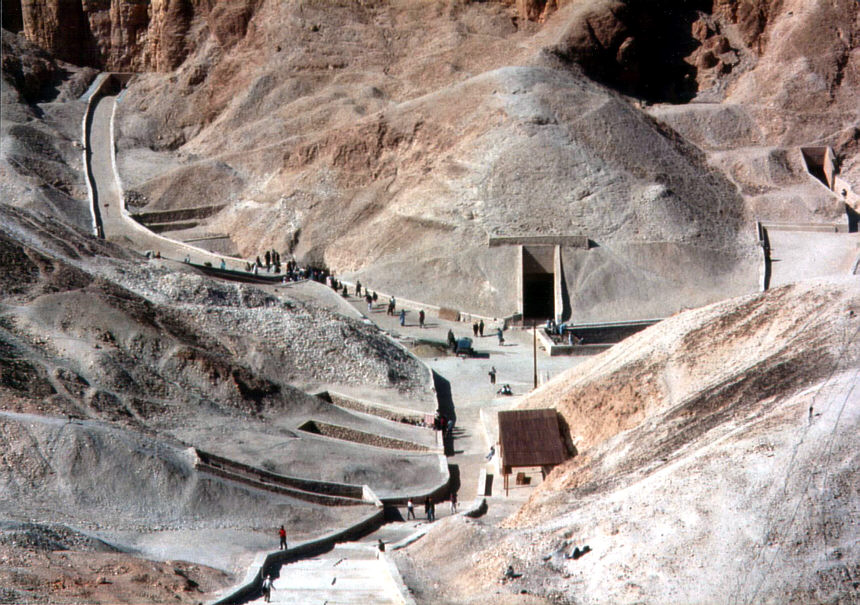
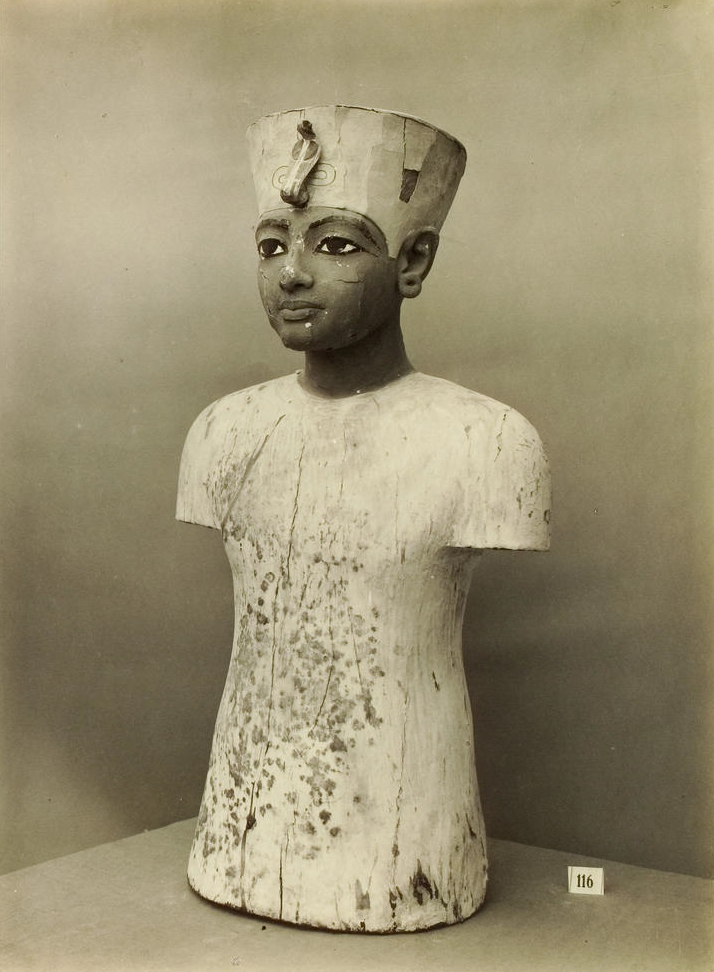
In 1922 Carter supervised a campaign in the Valley of the Kings funded by his patron, Lord Carnarvon. While searching among known tombs and debris, his team uncovered steps and a sealed doorway beneath the surface which led to an intact burial complex. With permission and support he and his staff undertook a systematic clearance. The contents — including furniture, jewelry, ritual equipment and the pharaoh’s burial assemblage — offered an unusually complete picture of royal burial customs of the later New Kingdom.
Methods, documentation and significance
Carter is widely remembered for the painstaking records he kept: detailed inventories, drawings and a large body of contemporary photography. These records preserved contextual information about the tomb’s contents at a time when many excavations focused primarily on objects rather than their archaeological relationships. His work helped encourage conservation-minded field methods and influenced subsequent generations of Egyptologists and museum curators.
Aftermath, public response and myths
The discovery produced intense international attention and travel of artifacts into museum collections. It also generated sensational stories, among them the enduring popular myth of a pharaoh’s “curse.” Professional historians and archaeologists emphasize the scholarly importance of the excavation and caution against sensational or supernatural explanations. Carter's collaboration with Egyptian authorities and his published reports contributed to the academic record.
Legacy and archives
Carter continued to publish and to oversee work related to the tomb and its contents until his death. His notebooks, photographs and correspondence are important primary sources for researchers studying the burial and the excavation history. Many recovered objects are conserved and displayed in museums, where they continue to inform public understanding of ancient Egypt.
Notable points
- Patronage: Lord Carnarvon provided key financial support that enabled extended work in the Valley of the Kings.
- Technique: Carter’s emphasis on photography and inventories set new standards for archaeological recording.
- Impact: The discovery revitalized public interest in Egyptology and museum exhibition of ancient Egyptian material.
For concise biographical notes and archival references see a short biographical summary, a general overview of Tutankhamun, and the primary correspondence and reports cited in museum and research collections. Researchers consult Carter’s notebooks and photographs to understand both the tomb’s contents and the history of its excavation.
Related articles
Author
AlegsaOnline.com Howard Carter — British Egyptologist and Discoverer of Tutankhamun's Tomb Leandro Alegsa
URL: https://en.alegsaonline.com/art/45412
Sources
- nationalgeographic.com : "How Howard Carter Almost Missed Finding King Tut's Tomb"
- commons.wikimedia.org : Howard Carter