
Immanuel Kant: German philosopher and architect of transcendental idealism
Immanuel Kant (1724–1804) was a German philosopher whose work on knowledge, metaphysics, ethics and aesthetics reshaped modern philosophy and influenced politics, science and art.
Immanuel Kant (22 April 1724 – 12 February 1804) was a German philosopher whose systematic inquiries into the conditions of knowledge and morality placed him among the central figures of modern thought. Born and based in Königsberg, he spent most of his life teaching, writing and refining a body of work that aimed to reconcile rationalism and empiricism. His ideas remain a common point of reference across philosophy, political theory and the humanities.
Image gallery
10 Images


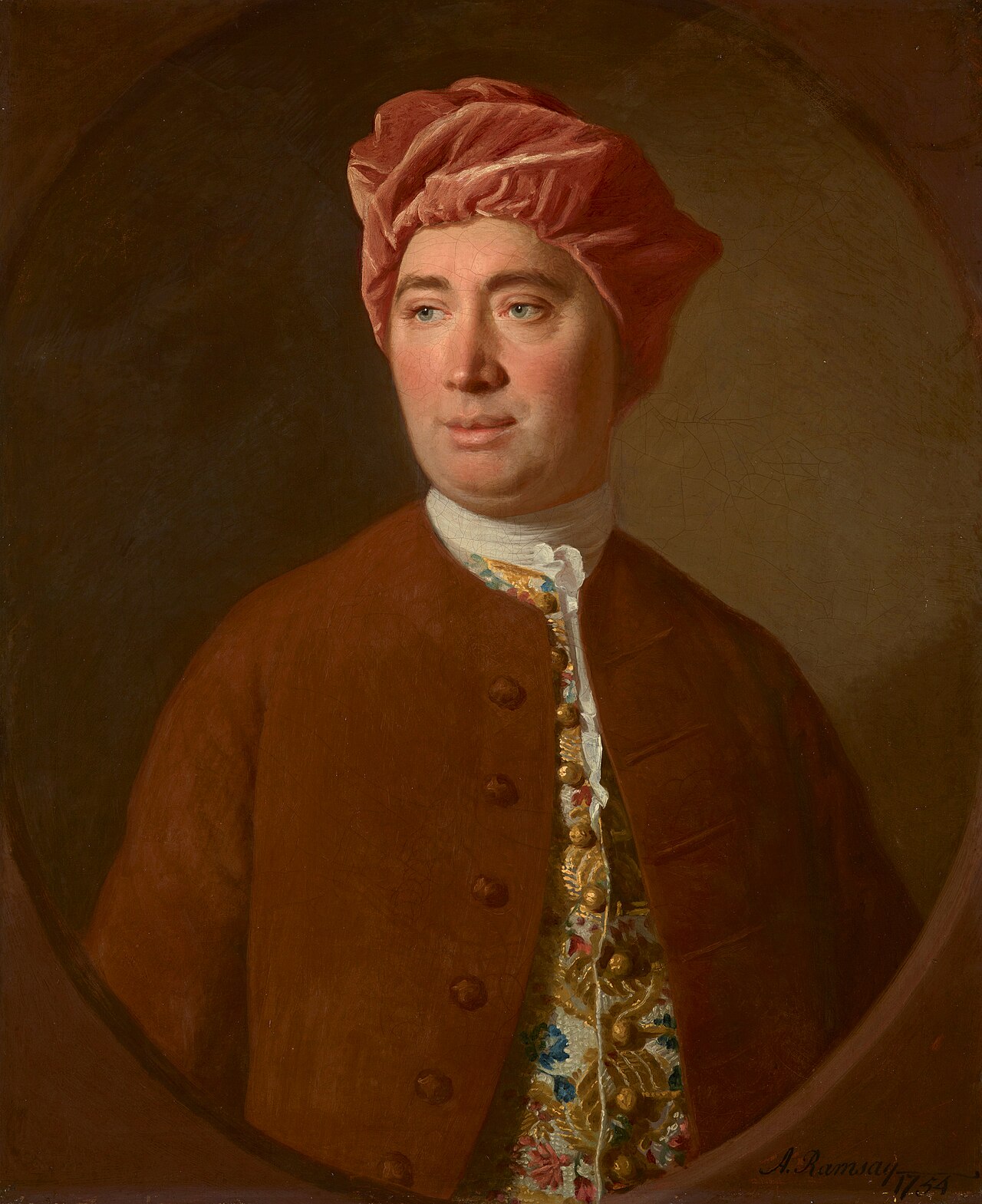


Intellectual project and core ideas
Kant is best known for articulating what he called transcendental idealism, an account of how human cognition structures experience. In this view, the mind contributes fundamental forms—such as space, time and conceptual categories—that make empirical knowledge possible. He also distinguished between things as they appear (phenomena) and things as they are in themselves (noumena), arguing that certain limits constrain what reason can claim.
Main works and themes
- Critique of Pure Reason — investigation of the foundations and limits of knowledge.
- Critique of Practical Reason — development of moral philosophy and the will.
- Critique of Judgment — analysis of aesthetic judgment and teleology.
Across these works Kant addressed topics commonly labeled metaphysics, epistemology, ethics and aesthetics, introducing influential distinctions such as the synthetic a priori—propositions that extend knowledge while being necessarily true prior to experience.
Historical context and biography
Kant was born in Königsberg, then part of the kingdom of Prussia. He studied and later taught at the University of Königsberg, maintaining a disciplined academic life with extensive lecturing and scholarship. The city where he lived is now known as Kaliningrad and lies within the Russian Federation; in Kant’s time it was one of the larger towns of Prussia. He remained closely connected to local intellectual circles while exerting wide influence through publications and correspondence.
Impact, uses and notable facts
Kant’s moral theory, centered on the categorical imperative, provides a framework for evaluating universalizability and respect for persons; his epistemology shaped later debates in German Idealism and analytic philosophy alike. His work is widely taught in philosophy courses and applied in ethics, law and aesthetics. Kant also figures in cultural history, often portrayed as emblematic of Enlightenment rigor.
Further reading and resources
- Introductions and translations of Kant’s major critiques offer accessible entry points; consult academic editions and survey texts.
- For historical background on his life and Königsberg’s changing status, see regional histories and archives—many modern resources document how the city passed into Russian administration after the 20th century (regional history).
Kant’s systematic method, emphasis on the limits and grounds of reason, and insistence on moral law as a matter of duty continue to make his writings central to philosophical education and public debate.
Questions and answers
Q: Who was Immanuel Kant?
A: Immanuel Kant was a German philosopher born in Königsberg, East Prussia.
Q: Where did Kant study philosophy?
A: Kant studied philosophy at the University of Königsberg.
Q: What did Kant call his system?
A: Kant called his system "transcendental idealism".
Q: In which areas did Kant write extensively?
A: Kant wrote extensively about epistemology, metaphysics, ethics, and aesthetics.
Q: What is Kant's significance in the history of philosophy?
A: Kant's writing have made him one of the most influential figures in the history of philosophy.
Q: What is the current name of Königsberg?
A: The current name of Königsberg is Kaliningrad.
Q: What was Königsberg when Kant was alive?
A: When Kant was alive, Königsberg was the second largest city in the kingdom of Prussia.
Related articles
Author
AlegsaOnline.com Immanuel Kant: German philosopher and architect of transcendental idealism Leandro Alegsa
URL: https://en.alegsaonline.com/art/120903
Sources
- britannica.com : "Albertus University of Königsberg"
- britannica.com : "Immanuel Kant: Last years"