
Anointing of the Sick (Christian sacrament)
Anointing of the Sick is a Christian rite in which oil, prayer and pastoral care are used to bring spiritual comfort, healing and preparation for death to seriously ill or elderly persons.
Overview
The Anointing of the Sick is a liturgical act practiced in the Roman Catholic Church and in several other Christian traditions. It is commonly described as a sacrament or sacred rite intended to convey divine support, forgiveness of sins when needed, and spiritual strength to people facing serious illness or frailty. The ritual uses prayer, the laying on of hands and the application of blessed oil to signify healing, comfort and the presence of God.
Image gallery
3 Images

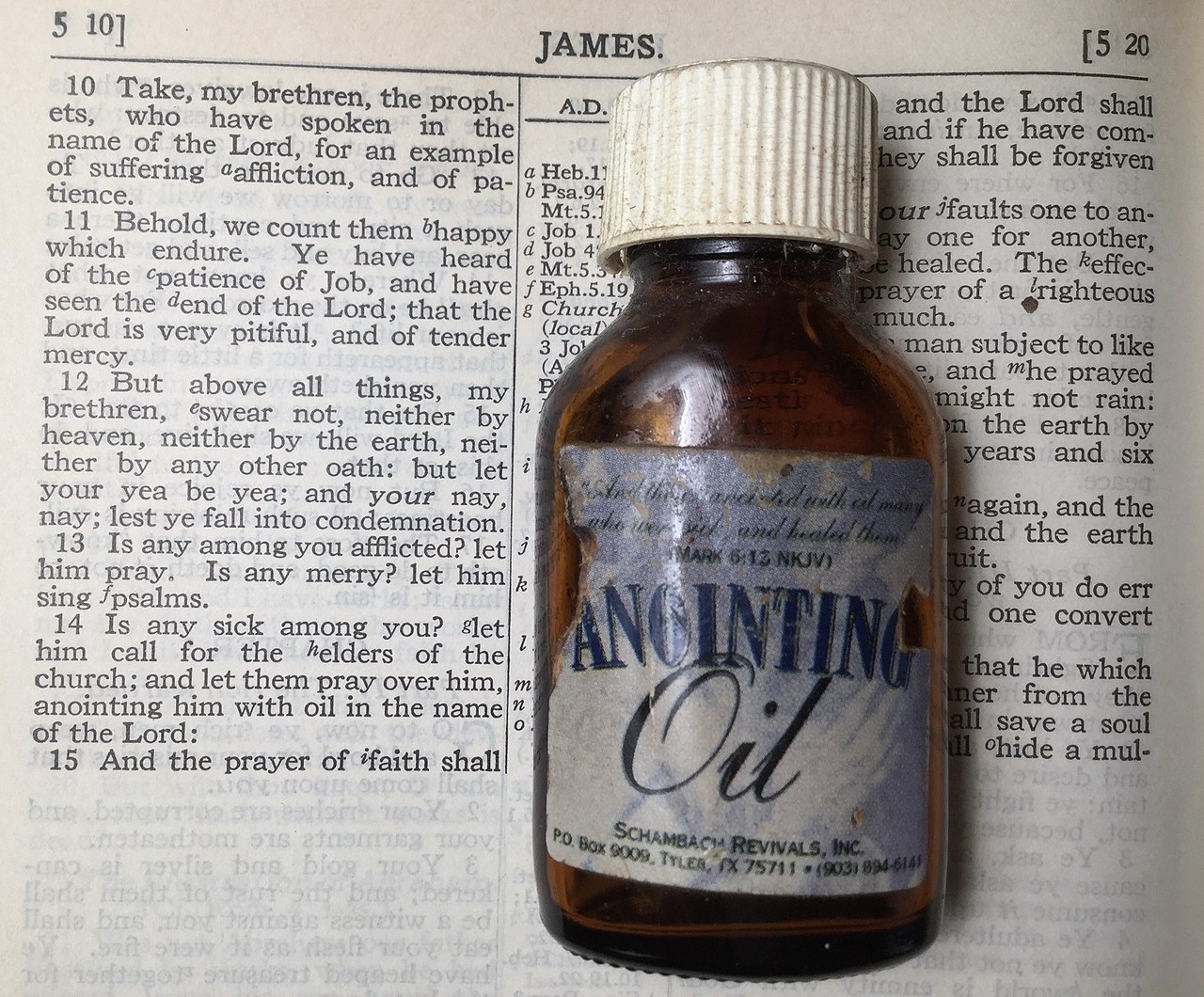
Ritual and meaning
The ceremony normally includes a short liturgy led by a priest or minister. Key elements are: the proclamation of Scripture, an invocation of the Holy Spirit, the laying on of hands, and the anointing with oil. The oil used is typically blessed for this purpose; historically it is called holy oil or chrism and is central to the rite. Clergy and pastoral caregivers explain that the outward signs—hands, words and oil—point to inward graces such as peace, courage and, when it is God’s will, recovery of health.
- Preparation: prayers and confession may precede the anointing.
- Actions: laying on of hands, anointing of forehead and/or hands, communal prayer.
- Outcome: comfort, spiritual healing, reconciliation, and fortitude.
History and development
References to anointing the sick appear in early Christian writings and in the New Testament, where prayer for the sick is linked with healing. Over centuries the practice developed into a formal sacrament in Western Christianity. In earlier times it was often associated specifically with care at the point of death and called "Extreme Unction." In modern pastoral practice, many churches emphasize that the rite is for anyone confronted by serious illness or advancing age, not only those in immediate danger of death.
When it is given and pastoral uses
Clergy may administer the Anointing of the Sick in hospitals, homes, or churches. It may be requested before serious surgery, during prolonged illness, or when a person becomes markedly weaker because of age. The ceremony is intended to provide spiritual consolation and to strengthen the person and family; it can be part of ongoing pastoral care rather than a single terminal rite.
Distinctions and notable facts
Terminology varies: the rite is sometimes called Unction or, historically, Extreme Unction. Many denominations recognize a form of this ministry, though theological interpretations differ about whether it is a sacrament, a sacramental, or a pastoral blessing. The practice highlights key Christian themes: compassion for the sick, prayer for healing, and accompaniment at the margins of life. For further reading on liturgy and pastoral practice see resources linked by tradition: sacred rites overview, denominational perspectives, Roman Catholic teaching, pastoral care, end-of-life guidance, and material on blessed oils such as holy oil.
Questions and answers
Q: What is Anointing of the Sick?
A: Anointing of the Sick is a sacrament (a sacred ceremony) in Roman Catholicism and other Christian denominations.
Q: Who is Anointing of the Sick given to?
A: Anointing of the Sick is given to people who are "in danger due to sickness or old age".
Q: Does a person have to be dying to receive Anointing of the Sick?
A: No, a person does not have to be dying to receive Anointing of the Sick.
Q: Who can receive Anointing of the Sick?
A: Anointing of the Sick can be done for anyone with a medical problem which they could die from.
Q: What is Anointing of the Sick also called?
A: Anointing of the Sick is also called Unction.
Q: What was Anointing of the Sick called in the past?
A: In the past, Anointing of the Sick was called Extreme Unction.
Q: What is the significance of oil in the Anointing of the Sick?
A: Oil is an important part of the ceremony as "Anointing" and "Unction" are both words for putting oil on a person.
Related articles
Author
AlegsaOnline.com Anointing of the Sick (Christian sacrament) Leandro Alegsa
URL: https://en.alegsaonline.com/art/4489
Sources
- vatican.va : "Code of Canon Law, canon 1004"
- vatican.va : "Catechism of the Catholic Church, 1514"
- vatican.va : "Seven Sacraments of the Church Compendium of the Catechism of the Catholic Church, 319"
- catholic.com : "Anointing of the Sick"
- papalencyclicals.net : "The Sacrament Of Anointing Of The Sick"
- dioceseofgallup.org : "Sacramental Guidelines"