
Archbishop: Role, History, and Distinctions
Senior bishop who presides over an archdiocese in several Christian traditions. Overview of duties, types, history, appointment, and notable distinctions across denominations.
An archbishop is a senior bishop in many branches of Christianity who leads an archdiocese or holds a title of greater honour or jurisdiction than an ordinary diocesan bishop. The office combines pastoral, liturgical and administrative responsibilities. Depending on the denomination, an archbishop may govern a metropolitan province made up of several dioceses or hold a primarily ceremonial rank.
Image gallery
8 Images




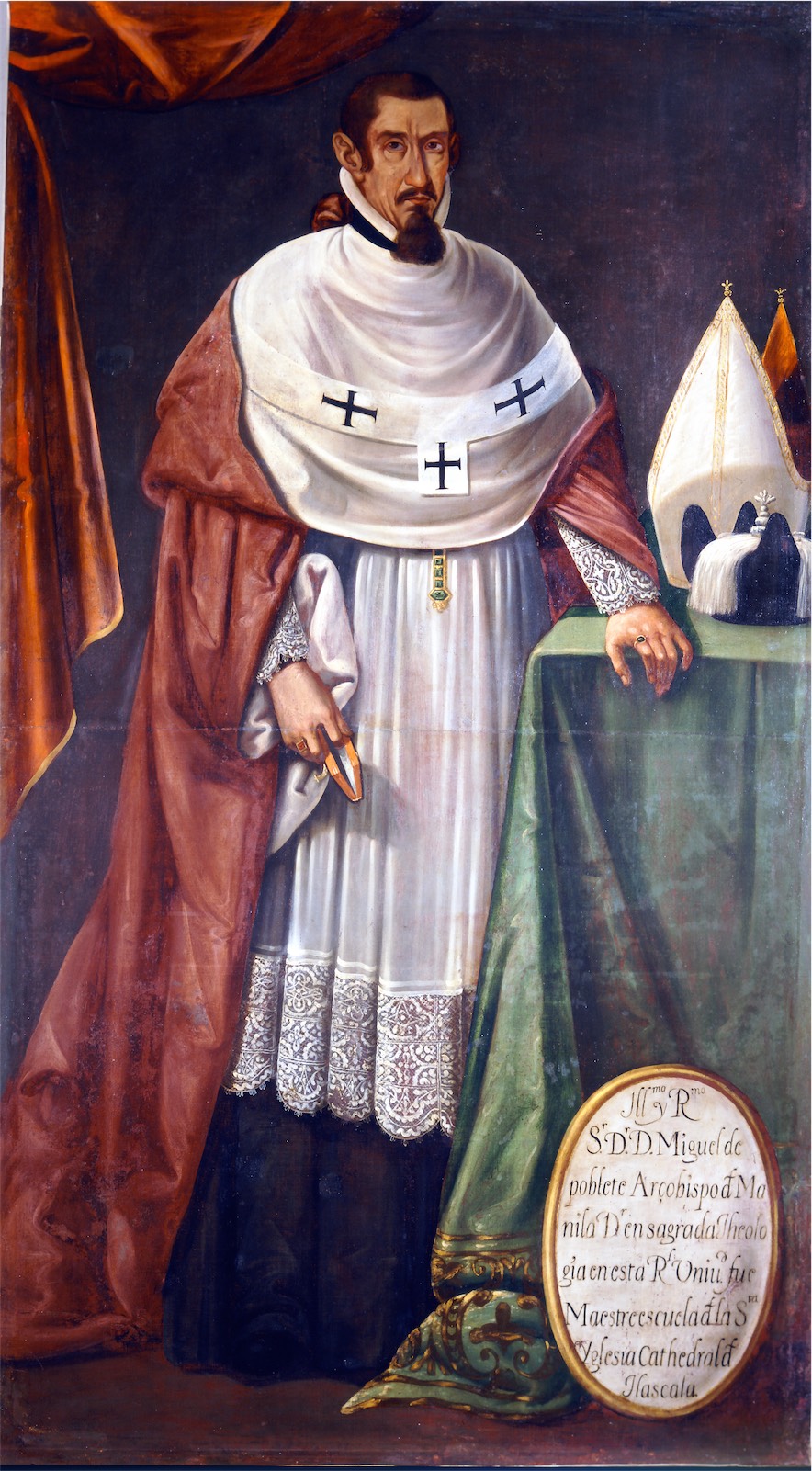

Roles and functions
As a specialised form of bishop, an archbishop typically carries duties beyond those of other bishops within the same region. Common responsibilities include:
- Supervising the clergy and sacramental life of the archdiocese and providing pastoral guidance to other bishops in the province.
- Presiding at provincial councils, clergy ordinations, and important liturgical events.
- Representing the church in ecumenical, civic, and interfaith contexts.
- Managing administrative and canonical matters that affect the archdiocese and its suffragan dioceses.
Types and rank distinctions
Not all archbishops have the same authority. Variants include metropolitan archbishops, who head an ecclesiastical province; primates, who are senior national or regional archbishops by precedence; titular archbishops, who hold the rank without territory; and coadjutor archbishops, appointed to assist and usually to succeed a current archbishop. The area governed by an archbishop is commonly called an archdiocese or archbishopric.
History and etymology
The title derives from Greek roots: αρχι- (archi-) meaning "first" or "chief" and επισκοπος (episkopos) meaning "overseer" or "supervisor." The pattern of elevating certain bishops to archiepiscopal status developed as church structures became more complex, especially after Christianity spread across cities and regions in late antiquity. Over centuries different churches adapted the role to local needs and governance models.
Denominational practice and appointment
Practice varies by tradition. In the Roman Catholic Church an archbishop may be named by the pope and, while he receives no new sacramental ordination distinct from that of a bishop, he assumes additional responsibilities within the church's hierarchy; compare general practice in the Catholic Church with Anglican and Orthodox arrangements. Methods of selection, the scope of authority, and ceremonial styles differ between communions and national churches.
Notable facts and usage
Although elevated in rank, an archbishop is still a bishop in sacramental terms: no further sacrament such as additional Holy Orders is conferred when a bishop becomes an archbishop. Forms of address and precedence vary—common honorifics include "The Most Reverend" or "His Grace" in different traditions. Prominent examples of archbishoprics often become important centers for theology, diplomacy and cultural life, and the office continues to play a central role in the governance and public representation of many Christian bodies.
Related articles
Author
AlegsaOnline.com Archbishop: Role, History, and Distinctions Leandro Alegsa
URL: https://en.alegsaonline.com/art/5289