
Antichrist: concept, biblical origins, interpretations and influence
A concise overview of the Antichrist concept in Christian tradition: origins, scriptural references, common theological interpretations, historical uses and cultural significance.
Overview
The term Antichrist refers to one or more figures described in Christian tradition as opposers or counterfeit pretenders to Christ. The word combines the Greek prefix anti- (against or opposite) with Christ (meaning "anointed" or messiah). In broad usage it denotes whatever or whoever embodies opposition to Jesus' teachings, whether as a person, spirit, movement or institution.
Image gallery
10 Images



Biblical references and language
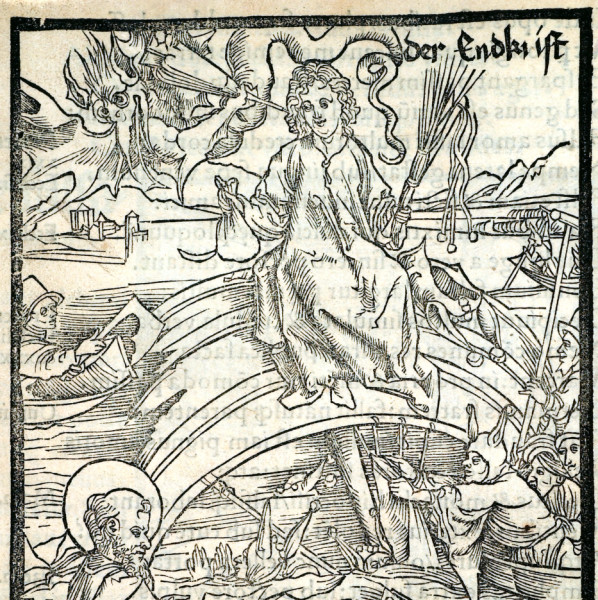
New Testament texts that use the designation include passages in the Johannine letters, which warn of many antichrists and of a deceiving spirit, and other eschatological sections that speak of a final adversary. The imagery in the Book of Revelation introduces two "beasts" — a symbolic description often associated in later interpretation with the idea of an Antichrist. Different passages use related language for false messiahs, false prophets and the working of the devil, so scriptural references are varied and sometimes overlapping.
Major interpretive approaches
- Personal future figure: a single, powerful individual who will arise at the end of history as a global ruler and persecutor.
- Collective or institutional: a corrupt system, empire or institution that opposes Christ's values across time.
- Spiritual principle: a recurring spirit of deception and anti-Christian teaching operating in many people or movements.
- Historical persons: readings that have identified particular leaders or institutions in history as manifestations of the Antichrist.
History, theology and cultural influence
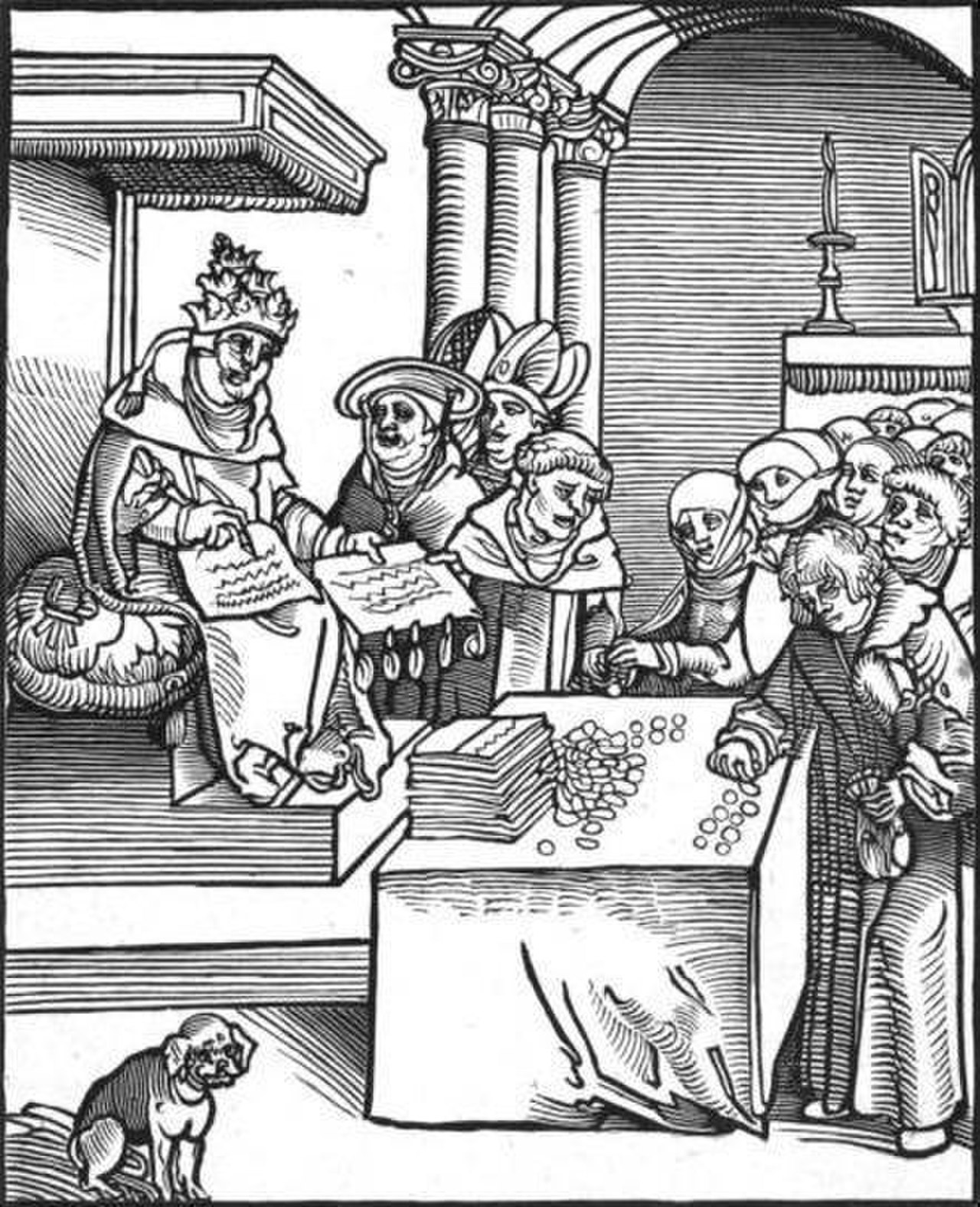
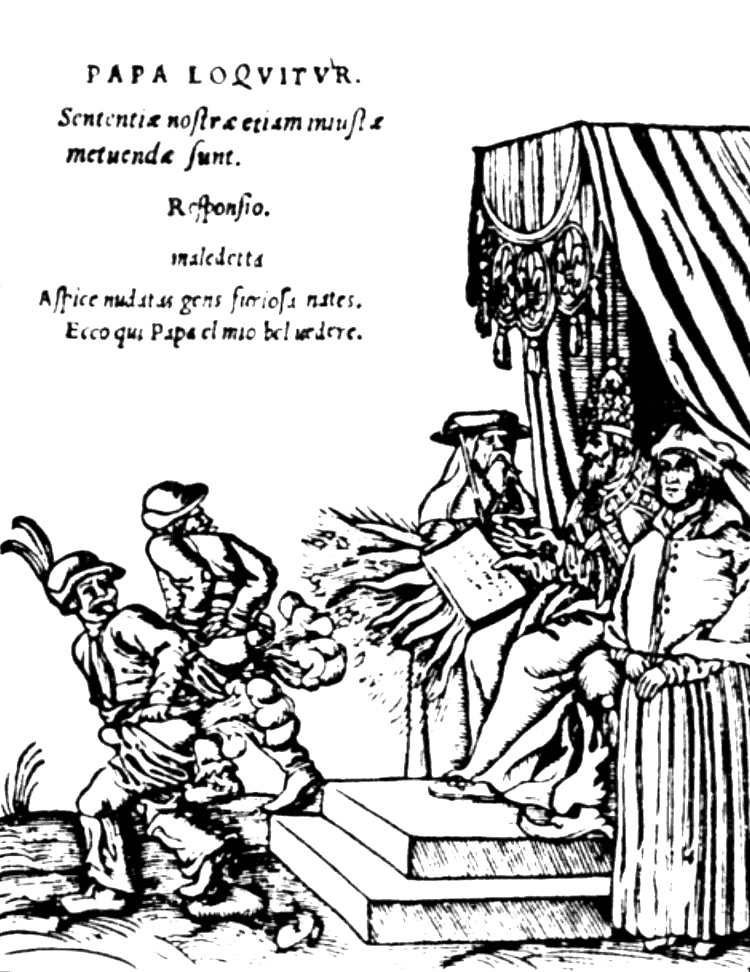
Debate over the Antichrist has shaped theological disputes, political rhetoric and popular culture. From early church polemics to medieval and Reformation controversies, the charge of being an antichrist has been applied to rival leaders and institutions. In modern times the idea appears in novels, films and eschatological movements, influencing how communities imagine the end of history. Scholarly and devotional treatments differ: some emphasize symbolism and moral warning, others expect a literal future antagonist.
Distinctions and notable points
The label "Antichrist" is related to but distinct from terms like "the Beast" and "the false prophet," which appear in apocalyptic literature and carry particular symbolic roles. Many traditions stress caution: the New Testament warns about discernment, noting that ‘‘many antichrists’’ can manifest long before any single climactic figure. For introductions and denominational perspectives see resources on Christian beliefs and discussions of the moral and theological concerns surrounding evil. Further study often examines historical uses of the concept and how it functions in contemporary religious imagination (see related discussions).
Related articles
Author
AlegsaOnline.com Antichrist: concept, biblical origins, interpretations and influence Leandro Alegsa
URL: https://en.alegsaonline.com/art/4630
Sources
- prca.org : ""The Antichrist"