
The Last Supper: Christian accounts, rituals, and cultural impact
The Last Supper is the final meal Jesus shared with his disciples before his crucifixion. Accounts in the New Testament shaped Christian rites such as the Eucharist and inspired centuries of art and devotion.
Overview
The Last Supper refers to the final meal that Jesus shared with his twelve disciples in Jerusalem shortly before his arrest and execution. This event is central to Christian memory because it is presented in New Testament writings as the occasion when Jesus gave new meaning to a shared meal and set the basis for a ritual that many Christian communities continue to observe.
Image gallery
10 Images


Biblical sources and differences
Descriptions of the event appear in the Gospel accounts and in an early letter attributed to the Apostle Paul, the First Letter to the Corinthians. The Synoptic Gospels (Matthew, Mark and Luke, collectively the Synoptic Gospels) report that Jesus, speaking to his followers, took bread and wine and identified them as his body and blood. The Gospel of John omits this specific language and instead emphasizes other actions at the meal, most notably Jesus washing the disciples' feet. All accounts place the scene in Jerusalem and set it shortly before Jesus' arrest and crucifixion, with Jesus himself (Jesus) portrayed as initiating a distinctive act of instruction and service.
Elements, meanings and theological interpretations
Two elements are most often highlighted: the sharing of bread and the sharing of a cup of wine. For many Christians these actions instituted the Eucharist, also called the Eucharist, Holy Communion, or the Lord's Supper. Interpretations of what the bread and wine signify vary across traditions: some understand them as literal transformation of substance, others as a real spiritual presence, and others as symbolic remembrance. Beyond sacramental debate, the Last Supper is presented as an ethic of service, self-giving, and covenant.
Liturgy, commemorations and practices
The event is commemorated liturgically in Holy Week on Maundy Thursday in many churches; services on that day frequently reenact the meal, celebrate the Eucharist, and sometimes include a ritual foot washing inspired by the Johannine narrative. Frequency and form of Communion vary by denomination: some celebrate weekly, others monthly or less often. Practices also differ in wording, ritual actions, and theological emphasis.
Art, history and cultural influence
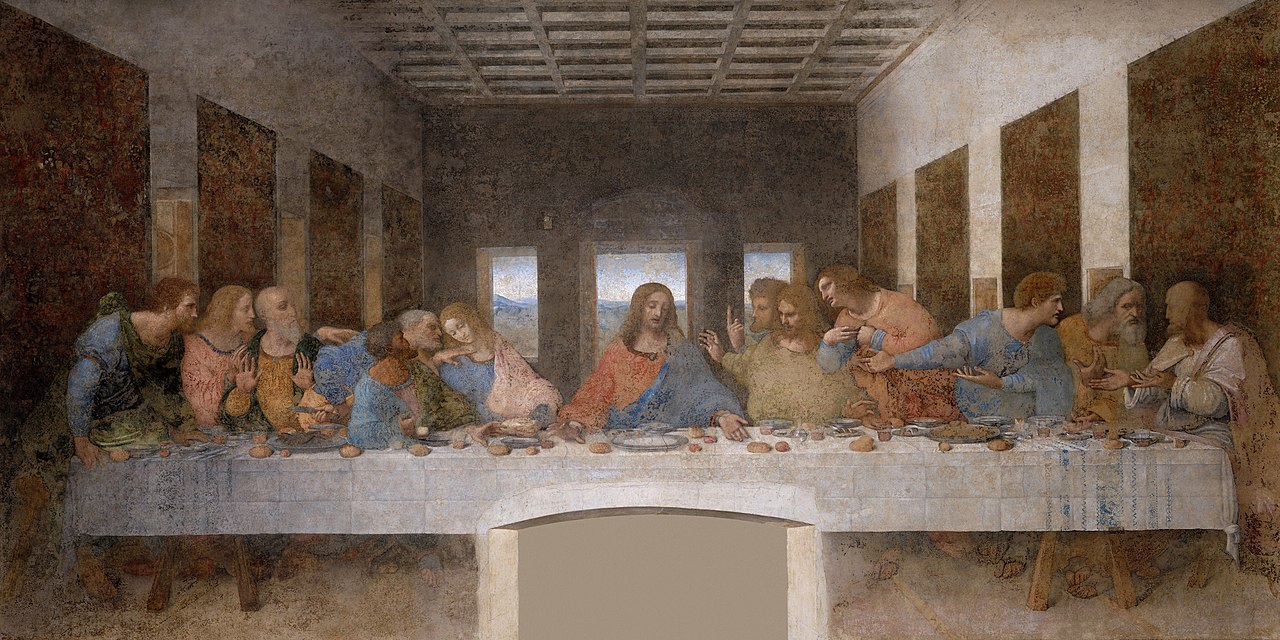
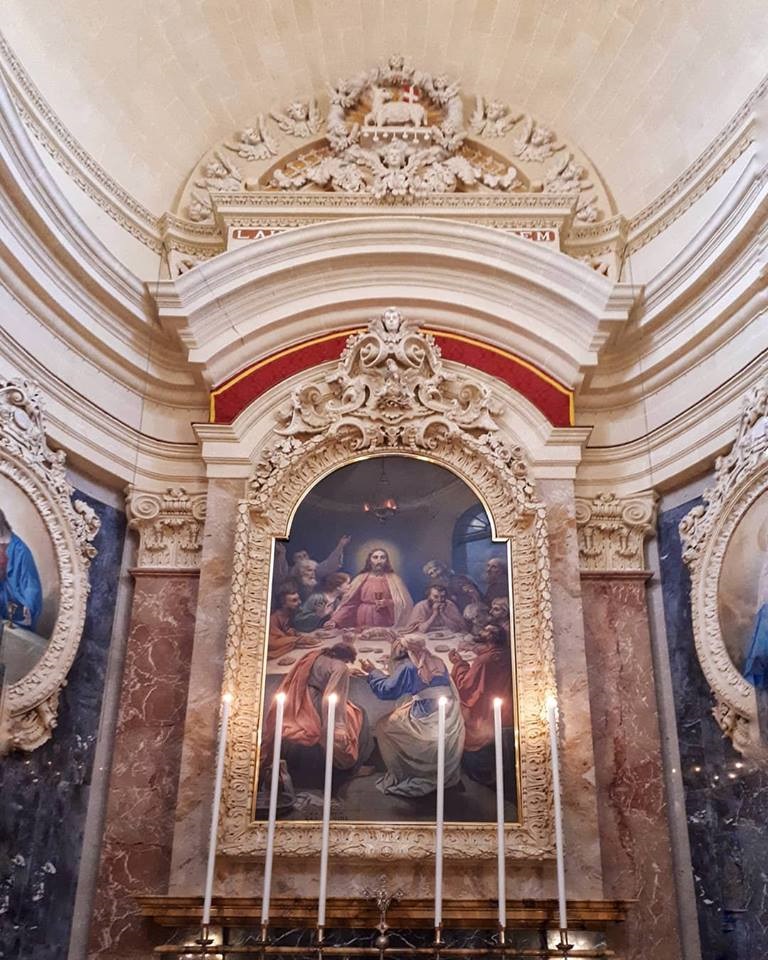
The Last Supper has been a dominant subject in Christian art, literature and music. From medieval altar paintings to Renaissance masterpieces—most famously Leonardo da Vinci's mural interpretation—the meal serves both devotional and narrative functions, illustrating betrayal, fellowship, and impending sacrifice. The scene also influenced devotional practices, sermons, and the formulation of liturgical rites throughout Christian history.
Key points and distinctions
- The narrative is recorded across multiple New Testament texts, which emphasize different details and theological emphases.
- It is foundational for the Christian practice of Communion, but denominations understand its meaning in different ways.
- Foot washing, mentioned in some accounts, has been retained as a ritual in some traditions and as a symbolic act in others.
- The Last Supper has an outsized artistic legacy, used to explore themes of betrayal, loyalty, and sacrament in Western culture.
Related articles
Author
AlegsaOnline.com The Last Supper: Christian accounts, rituals, and cultural impact Leandro Alegsa
URL: https://en.alegsaonline.com/art/56163
Sources
- books.google.com : Worship and Festivals
- books.google.com : Inside Christianity