
History of the National Hockey League
A concise history of the National Hockey League (NHL), tracing its origins, major developments, structure, and significance in North American and international ice hockey.
Overview
The National Hockey League is the major professional league for ice hockey in North America. Founded in 1917, it organizes a regular season and playoffs that culminate in the awarding of the Stanley Cup. The league comprises teams based in Canada and the United States, and it is one of the region's principal sports organizations.
Image gallery
10 Images




Origins and early development
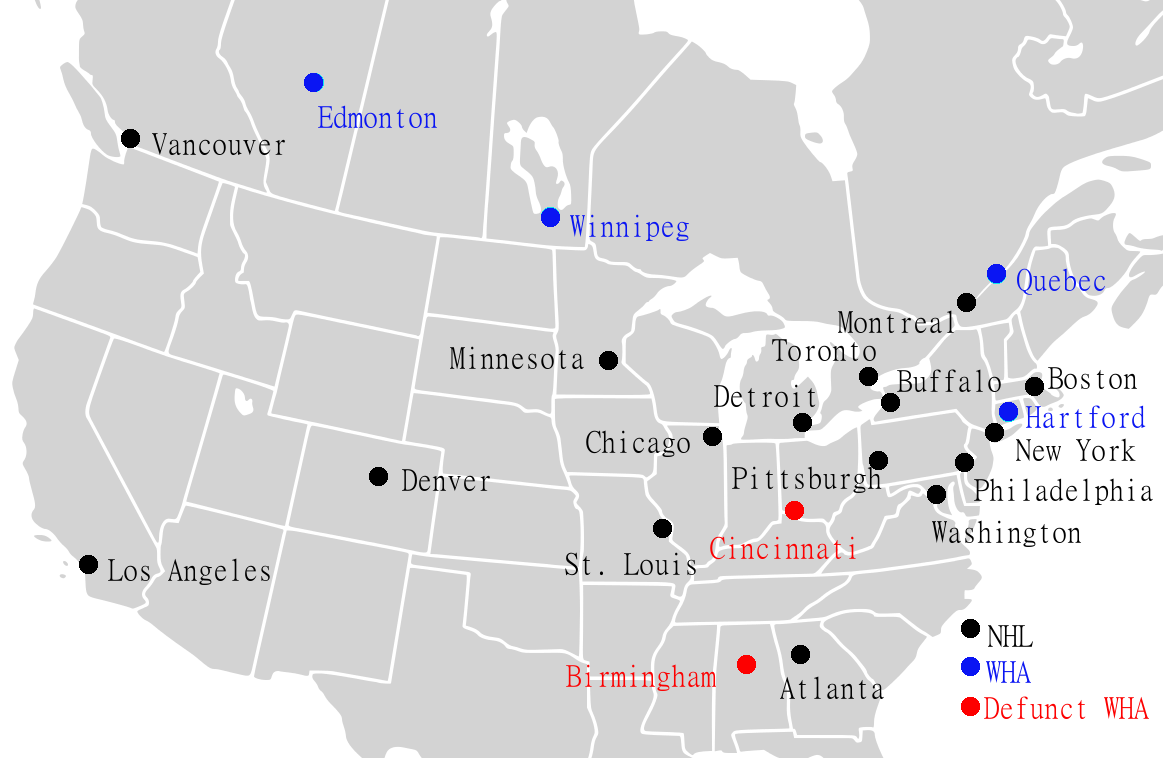
The NHL grew out of earlier professional and amateur hockey structures in the early 20th century. It replaced a predecessor organization amid disputes among owners and players, creating a more stable competition. In its first decades the league contracted and expanded, absorbing clubs and establishing rivalries that shaped its regional footprint. During this period the Stanley Cup, already a prized trophy in the sport, became closely associated with the league champion.
Key eras and milestones
- Formation and early expansion: the league established rules, schedules and team identities that endure in modified form.
- Original Six era: a long period in mid-20th century when six teams dominated the landscape and professional hockey consolidated its fan base.
- Postwar and modern expansion: a series of enlargements from the 1960s onward brought teams to new cities and broadened television exposure.
- Labour, finance and governance: collective bargaining, a salary cap and other measures reshaped operations following lockouts and negotiations.
Structure and competition
The league is organized into conferences and divisions, and each season features a schedule followed by a playoff tournament. Clubs are independently owned but bound by central rules for competition, player transactions and finance. The NHL also interacts with international calendars and tournaments, negotiating player participation and contributing to hockey's global profile.
Importance and legacy
Over more than a century the NHL has influenced professional sport in North America, advancing player skills, equipment, and broadcast presentation. Its clubs have produced many of hockey's most recognizable players and moments. The league's growth from a handful of teams to a continental circuit mirrors broader changes in sport, media and commerce, and its history is marked by both celebrated traditions and episodes of change that reshaped how the game is played and followed.
Notable facts and further reading
Important topics for deeper study include the evolution of rules and safety equipment, landmark seasons and rivalries, and the business of expansion and media rights. For official history and contemporary updates consult league resources and reputable sports histories: see the NHL's site and archival materials for timelines and detailed records.
NHL official site | sports organizations overview | ice hockey basics | Canada hockey history | United States hockey history | founding and early years
Related articles
Author
AlegsaOnline.com History of the National Hockey League Leandro Alegsa
URL: https://en.alegsaonline.com/art/44498