
History of the United States, 1789–1849: Nation Building, Expansion, and Change
Survey of U.S. history from the establishment of the Constitution through early westward expansion, industrial and social change, and developments that set the stage for the Civil War.
Overview
The period from 1789 to 1849 covers the first six decades of the United States under the Constitution and is often described as the early national and antebellum eras. The new federal government replaced the loose confederation of states that had operated under the Articles of Confederation and began to build institutions, law, and practice around the presidency and a written Constitution. The career of the first president, George Washington, set important precedents for executive conduct. During these decades the nation expanded geographically, experienced rapid economic and technological change, and saw political and social forces emerge that would shape its later conflicts.
Image gallery
10 Images


Political development and institutions
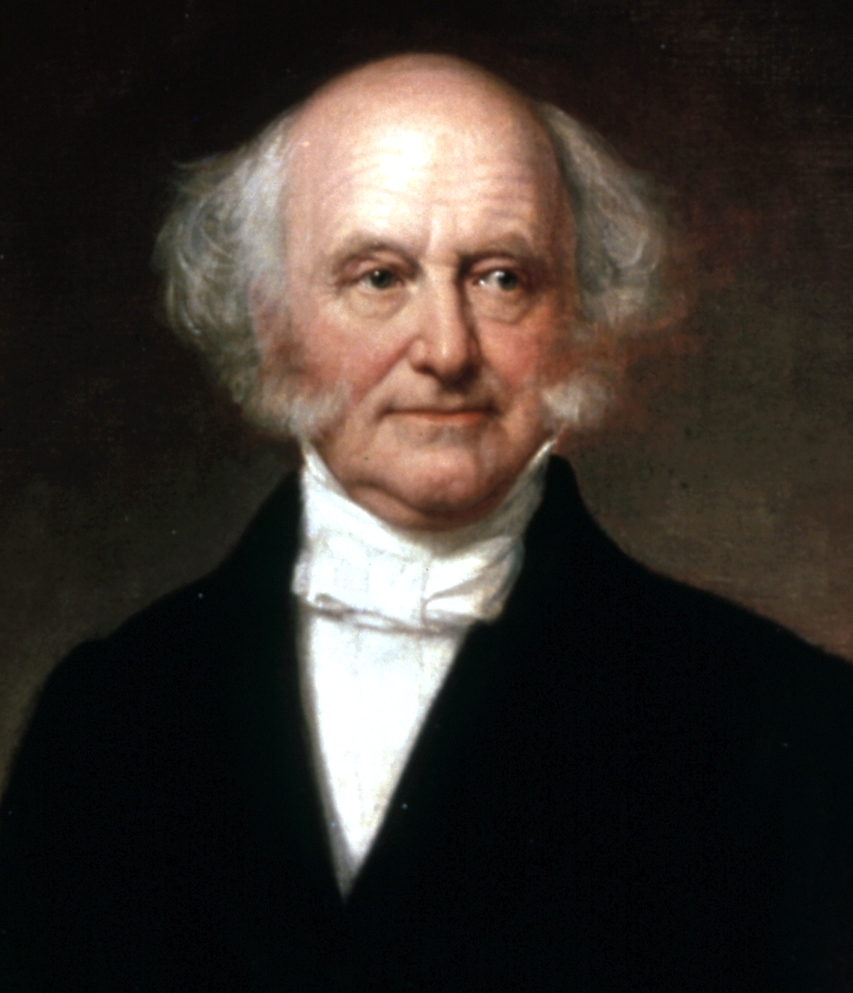
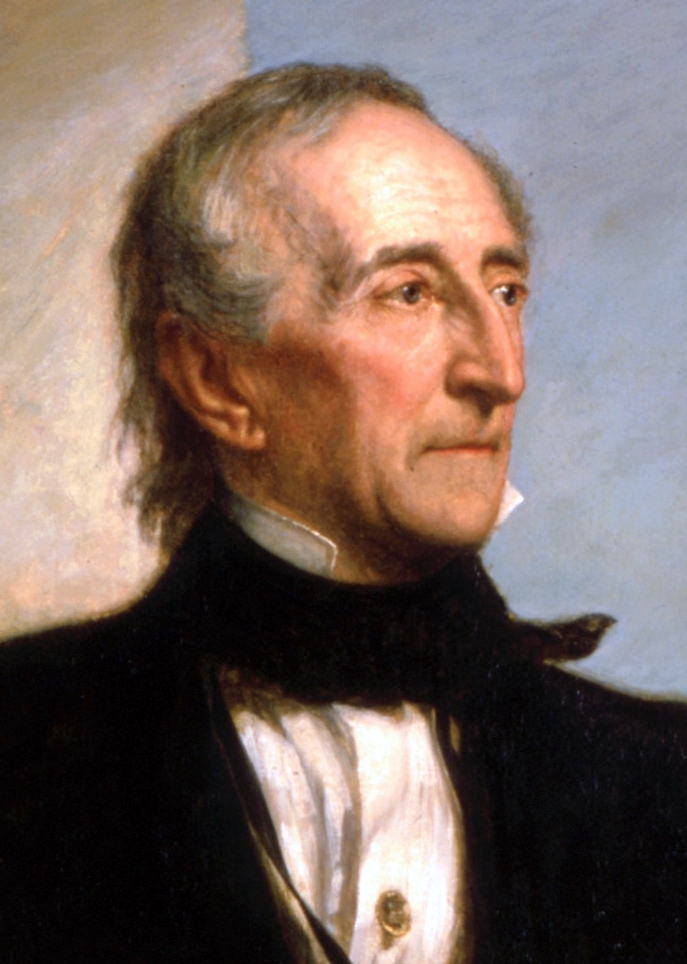
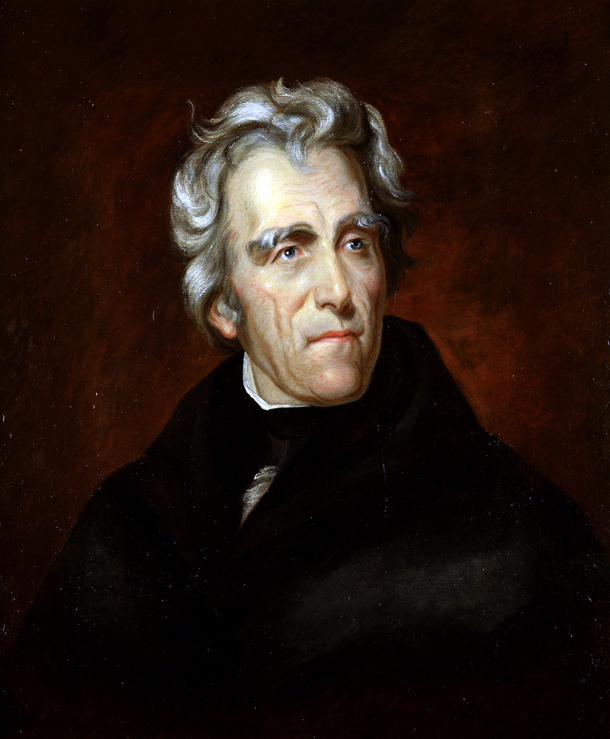
Early politics were defined by the creation of federal structures and the rise of organized parties. Debates over the balance of power between state and national governments produced the Federalist and Democratic-Republican factions, and later the Second Party System, including Democrats and Whigs. Landmark political moments included the ratification of the Bill of Rights, debates over fiscal and banking systems, and shifting ideas about democratic participation. Expanding white male suffrage in many states and the rhetoric of popular rule under figures such as Andrew Jackson reshaped how politicians campaigned and governed.
Territorial expansion and foreign affairs
Territorial growth was a defining feature of this era. The United States acquired and explored vast new lands through purchases, diplomacy, and war: the Louisiana Purchase opened the continental interior, exploration followed, and later events brought Texas, the Southwest, and the Pacific Northwest into U.S. orbit. Foreign-policy doctrines and conflicts—such as assertions of hemispheric influence, maritime disputes, and the War of 1812—helped solidify national identity. Mid-century conflicts culminated in the Mexican–American War (1846–1848) and the annexation of large territories, while the discovery of gold in California in 1848 accelerated migration westward. These developments are part of the broad set of changes sometimes summarized as transformations of the early 19th century.
Economic and social change
The economy underwent significant realignment. The "Market Revolution" saw growth in manufacturing, a rise in commercial agriculture, and expanded internal markets supported by new transportation technologies. Canals, steamboats, and early railroads linked regions and reduced travel time and cost. In the Northeast, towns and factories grew; in the South, the expansion of cotton cultivation and a dependence on enslaved labor tied regional prosperity to the institution of slavery. These divergent economic paths contributed to distinct regional societies and interests.
Reform movements and social currents
As the nation changed, a range of social and religious movements emerged. Religious revivalism influenced moral and civic reform efforts, including movements for temperance, public education, and penal reform. Abolitionism developed into a vocal and organized force opposing slavery. Women and others pressed for rights and recognition, exemplified by early women's rights gatherings and petitions. At the same time, federal and state policies toward Native American nations—most notably removal policies implemented in the 1830s—had profound and often devastating human consequences.
Key events, legacies, and tensions
Major moments and compromises during this period helped define the country's political landscape: legislative compromises over slavery and statehood, court decisions that clarified federal authority and property law, and presidential initiatives that tested executive power. Notable episodes include the Missouri Compromise and the evolving contest between territorial expansion and debates over whether new lands would permit slavery. Taken together, these developments produced both institutional consolidation and growing sectional antagonisms that ultimately contributed to the outbreak of the American Civil War in the following decade.
- Notable presidencies: Washington, Jefferson, Madison, Monroe, John Quincy Adams, Andrew Jackson, James K. Polk
- Major trends: constitutional consolidation, territorial expansion, Market Revolution, rise of organized reform movements
- Consequences: deeper regional differences and political structures that shaped mid‑19th century conflict
For further reading on specific events, people, and laws of this era, consult focused treatments of presidential administrations, sectional economics, and social reform movements. Primary documents and contemporary accounts provide direct insight into the debates that framed decisions about sovereignty, rights, and the nation's future.
More on early presidents • The Civil War's origins • Foundations under the Articles • Early 19th century transformations
Questions and answers
Q: What was the period known as the Antebellum period?
A: The period known as the Antebellum period is the history of the United States from 1789-1849, beginning with the Presidency of George Washington and ending just before the American Civil War.
Q: What was the government like before the United States Constitution?
A: Before the United States Constitution, the government was formed under the Articles of Confederation.
Q: What kind of changes did the United States undergo during the early 19th century?
A: During the early 19th century, the United States underwent several dramatic changes such as the expansion of borders, the growth of the economy, and the rise of cities as industrial centers.
Q: What led to conflicts in the United States during this period?
A: Different sections of the United States developed differently and this led to conflicts which eventually led up to the civil war.
Q: Who was the first President during this period?
A: George Washington was the first President during this period.
Q: When did this period end?
A: This period ended just before the American Civil War.
Q: What was the new government based on?
A: The new government during this period was based on the United States Constitution.
Related articles
Author
AlegsaOnline.com History of the United States, 1789–1849: Nation Building, Expansion, and Change Leandro Alegsa
URL: https://en.alegsaonline.com/art/44503
Sources
- loc.gov : "Primary Documents in American History; United States Constitution"
- digitalhistory.uh.edu : "Overview of the Pre-Civil War Era"
- dictionary.com : "antebellum"
- marinersmuseum.org : "Impressment of American Sailors"
- millercenter.org : "John Adams: Campaigns and Elections"
- nps.gov : "U.S. Navy"
- globalsecurity.org : "The Continental Navy"
- history.com : "1798 Adams passes first of Alien and Sedition Acts"
- blm.gov : "Table 1.1 Acquisition of the Public Domain 1781–1867"
- digitalhistory.uh.edu : "Learn About the Jefferson Era"
- anb.org : "King, Rufus"
- ushistory.org : "23a. The Era of Good Feelings and the Two-Party System"
- ushistory.org : "The 1824 Election and the "Corrupt Bargain""
- gilderlehrman.org : "Adams v. Jackson: The Election of 1824"
- ushistory.org : "Jacksonian Democracy and Modern America"