
History of the United Kingdom
A concise, balanced overview of how England, Scotland, Wales and Northern Ireland came together, key constitutional unions, major historical phases and the modern United Kingdom.
Overview
The United Kingdom of Great Britain and Northern Ireland is a political entity formed by the union of distinct nations on the British Isles. The modern state, often shortened to the UK, combines constituent countries with separate legal and cultural traditions: England, Scotland, Wales and Northern Ireland. These parts are linked by shared institutions, a common monarch and a parliamentary system whose shape developed over several centuries and through a series of legal acts and political agreements.
Image gallery
10 Images




Constituent parts and early unions
The territory known today as the United Kingdom of Great Britain and Northern Ireland functions as a sovereign state made up of distinct countries, including England, Scotland, Wales (together forming Great Britain) and Northern Ireland. The crowns of England and Scotland had been united under a single monarch before their parliaments were formally united, and Wales had been incorporated into the English legal system in earlier centuries.
Acts of Union and constitutional development
The two principal legislative unions that shaped the United Kingdom were the early-18th-century union of England and Scotland, and the later union that included Ireland. The Acts of Union brought together the crowns and merged the separate Parliaments of England and Scotland into a single parliament for Great Britain. Those developments built on political arrangements in which England and Scotland had increasingly intertwined interests and shared institutions, producing the entity formally known as Great Britain.
Wales and Ireland: inclusion and change
Wales had been brought within the administrative and legal orbit of the Kingdom of England by earlier legislation, and so became part of the later British polity. Ireland, meanwhile, was a separate kingdom until the Acts that joined it to Great Britain at the start of the 19th century. That legislative change created the United Kingdom of Great Britain and Ireland, a name reflecting the union of the islands. The island of Ireland later experienced political partition and the majority of its territory became an independent state in the early 20th century.
Twentieth century, partition and renaming
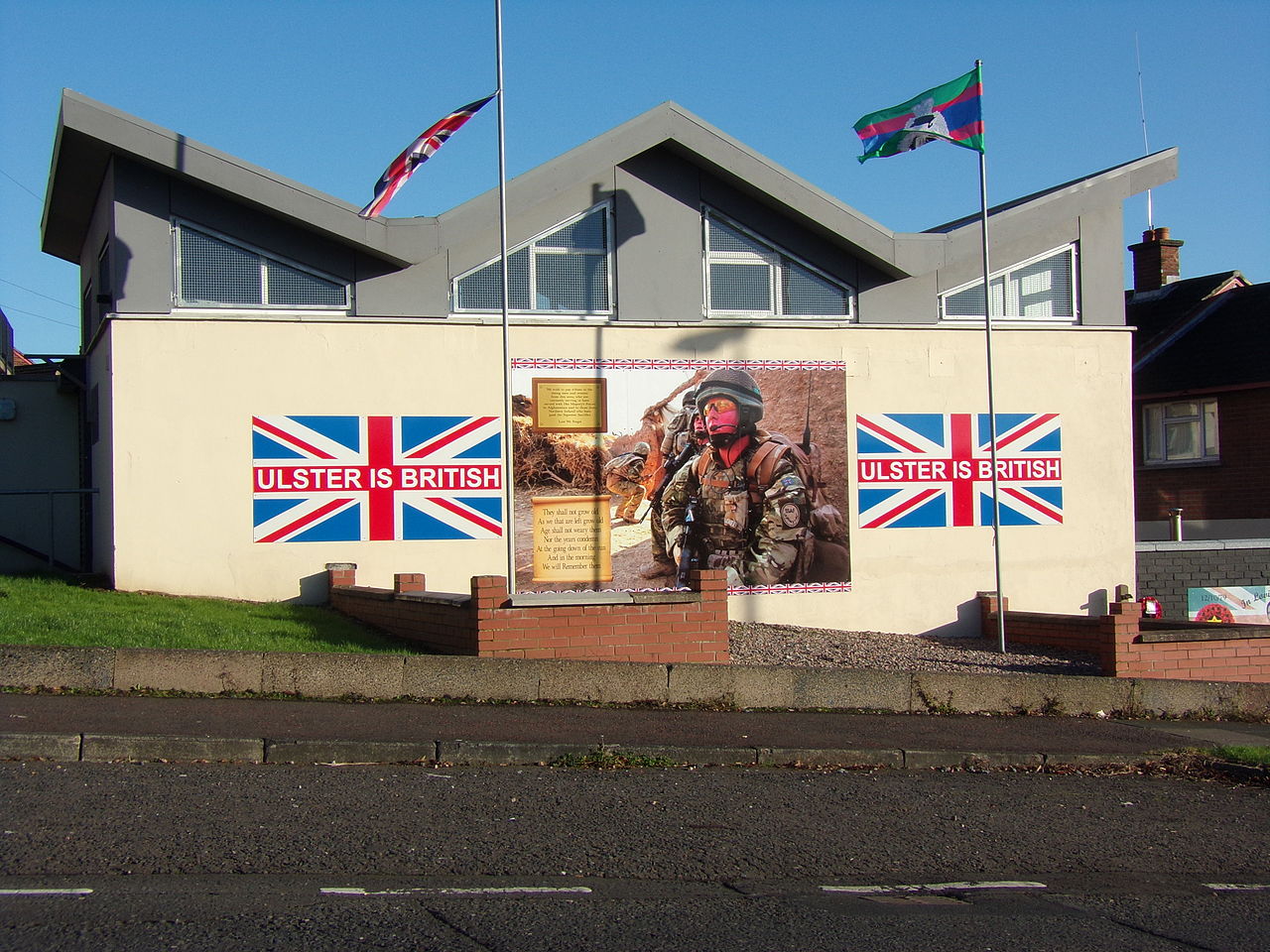
After political negotiations and conflict, the greater part of Ireland withdrew from the union and became a separate polity; the remaining six counties in the north stayed within the United Kingdom as Northern Ireland. The change in territorial composition led to a formal change of title: the state became the United Kingdom of Great Britain and Northern Ireland. The independent Irish state is today usually referred to as the Republic of Ireland, an outcome reached through a process that included broader movements for independence and self-government.
Major historical phases and significance
Beyond constitutional unions, the history of the UK includes the expansion of parliamentary government, the Industrial Revolution and the growth and later decline of an extensive overseas empire. These phases reshaped society, economy and global relations, leaving a legacy visible in language, law, and institutions. Debates over devolution, national identity and the balance of powers between London and the constituent nations continue to shape public life.
Further notes and distinctions
- The union of crowns (a personal union of monarchs) preceded the parliamentary unions and helped set the stage for closer political integration.
- Wales, while historically integrated with England, retains its own cultural and legal distinctions within the UK framework.
- Different parts of the UK have varying degrees of devolved governance, reflecting historical and political differences that endure.
For more detailed timelines, legal texts and regional histories, consult specialized histories and primary sources that discuss the Acts of Union, parliamentary reform, industrial and imperial histories, and the 20th-century constitutional changes that established the modern United Kingdom.
Kingdom of England | English Parliament | Scottish Parliament | Great Britain | Union of 1801 | United Kingdom of Great Britain and Ireland
Scotland | England | Wales | Northern Ireland | sovereignty | crowns
Questions and answers
Q: What is the formal name of the United Kingdom?
A: The formal name of the United Kingdom is "The United Kingdom of Great Britain and Northern Ireland". It is usually shortened to "the United Kingdom", "The UK", "Great Britain" or just "Britain".
Q: How did England, Scotland, and Wales become united?
A: The Acts of Union in 1707 united the crowns and Parliaments of England and Scotland to create (the United Kingdom of) Great Britain. At this time, Wales was legally part of the Kingdom of England, with representation (since 1536) in the English Parliament, so it was included in the union.
Q: When did Ireland join Great Britain?
A: Further Acts of Union in 1800 joined Great Britain and Ireland to create the United Kingdom of Great Britain and Ireland.
Q: What happened when Ireland gained independence?
A: In 1922, when Ireland gained independence, only Northern Ireland continued to be part of the United Kingdom. As a result, in 1927 Britain changed its formal title to "The United Kingdom of Great Britain and Northern Ireland".
Q: Is Northern Ireland still part of the UK?
A: Yes, Northern Ireland is still part of the UK.
Related articles
Author
AlegsaOnline.com History of the United Kingdom Leandro Alegsa
URL: https://en.alegsaonline.com/art/44502
Sources
- cia.gov : CIA - The World Factbook - United Kingdom
- theguardian.com : "Police warning after reports of explosion at Manchester Arena"
- bbc.com : "Police respond to Manchester Arena blast reports"