
Hog badger (Arctonyx collaris): appearance, range, and conservation
The hog badger (Arctonyx collaris) is a stout mustelid native to central and southeast Asia. This article covers its appearance, behavior, distribution, taxonomy, threats and conservation status.
The hog badger (Arctonyx collaris) is a burrowing mustelid known for its pig‑like snout, strong forelimbs and coarse coat. Often called a "hog" badger because of its long, mobile nose used for rooting, it is a distinct member of the badger group with ecological and anatomical traits adapted to digging and a mixed diet. The species is assessed as near threatened on conservation lists due to habitat loss and hunting pressure.
Image gallery
3 Images

Physical characteristics
Hog badgers are relatively large and stocky compared with many other mustelids. They typically have a broad head, powerful shoulders, and long claws suited to digging. The fur is coarse and can range from greyish to brown, often with contrasting facial markings. Their dentition and muscular forelimbs enable them to consume a wide variety of foods, from invertebrates and small vertebrates to roots and fallen fruit.
Range, habitat and behaviour
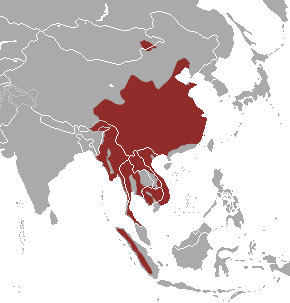
They occur across parts of central and southeast Asia, from northeastern India and adjacent Himalayan foothills into Myanmar, Thailand, Laos, Vietnam and southern China. Their preferred habitats include subtropical and temperate forests, grassland margins and secondary growth where soils allow excavation. Hog badgers are generally solitary; they dig for food and create burrows or use natural cavities for shelter. Activity patterns vary by region and season.
Taxonomy and notable distinctions
The hog badger belongs to the genus Arctonyx, distinct from the Eurasian badgers of genus Meles and the American badger (Taxidea). Historically treated as a single widespread species, recent taxonomic work has led to reappraisals of variation within the group. For broader context on badger diversity see badger overview.
Threats and conservation
Primary threats include habitat fragmentation, agricultural expansion and hunting for local consumption and pelts. Conservation measures focus on habitat protection, legal safeguards and better monitoring of populations. For conservation status and current assessments consult sources such as species assessments and regional range accounts like range summaries and regional conservation pages.
- Key facts: strong digger, omnivorous, solitary habits.
- Distinct genus within Mustelidae; notable for elongated snout.
- Conservation depends on reducing hunting and protecting forested habitats.
Related articles
Author
AlegsaOnline.com Hog badger (Arctonyx collaris): appearance, range, and conservation Leandro Alegsa
URL: https://en.alegsaonline.com/art/44665
Sources
- bucknell.edu : "Order Carnivora"
- google.com : Mammal Species of the World
- worldcat.org : 62265494 · archive.org