
Hippopotamidae: the hippopotamus family
Hippopotamidae are large semiaquatic even-toed ungulates native to Africa, represented today by two species. This entry summarizes their traits, evolution, conservation, and differences between the common and pygmy hippo.
Overview
Hippopotamidae is the family of large, mostly semiaquatic mammals commonly called hippopotamuses. Members of this group are even-toed ungulates and share key adaptations for life in and near water. Only two species survive today: the widespread common hippopotamus and the much smaller pygmy hippopotamus. For context about their broader order see even-toed ungulates and for family-level information see Hippopotamidae.
Image gallery
10 Images





Physical characteristics
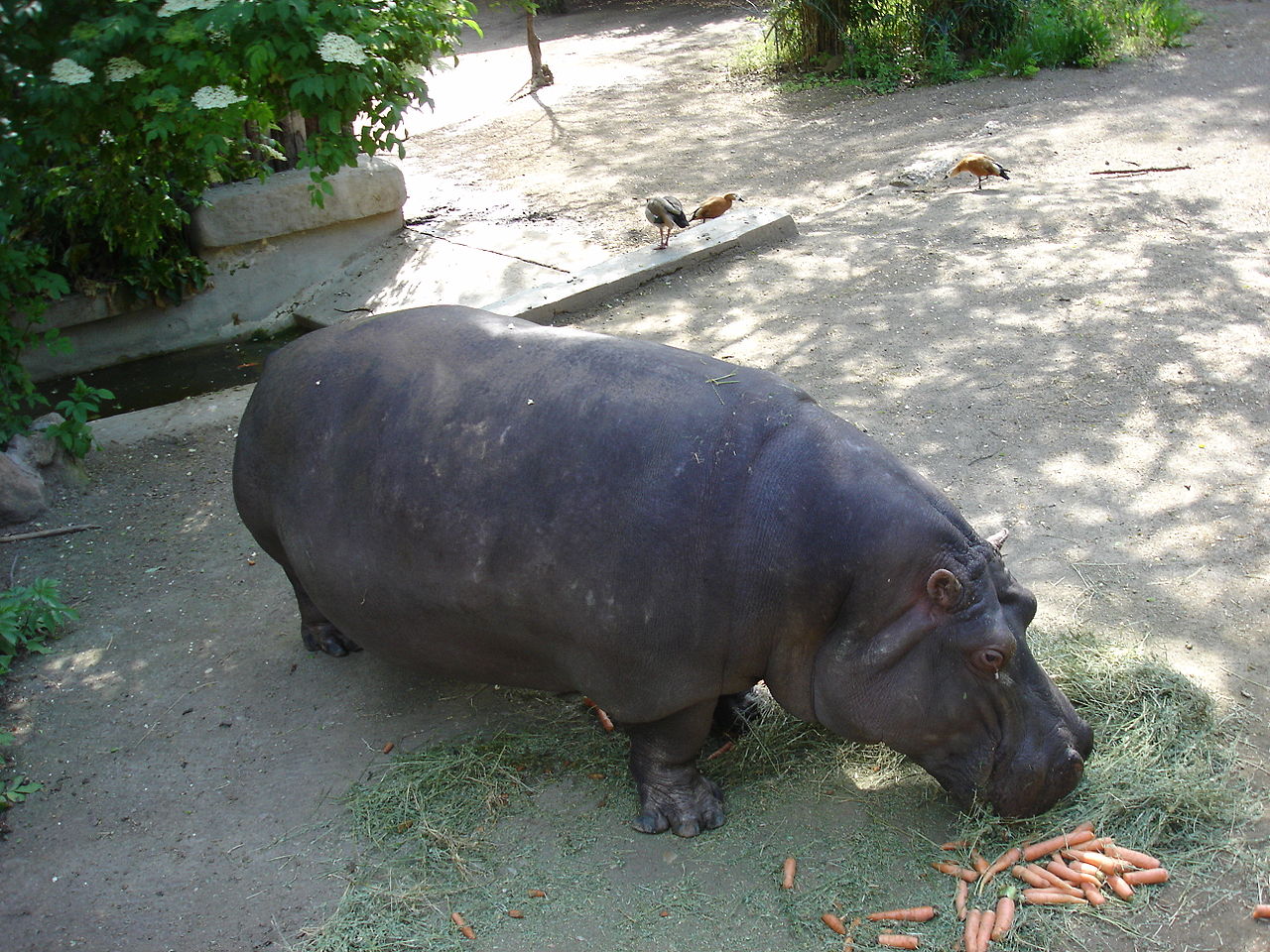
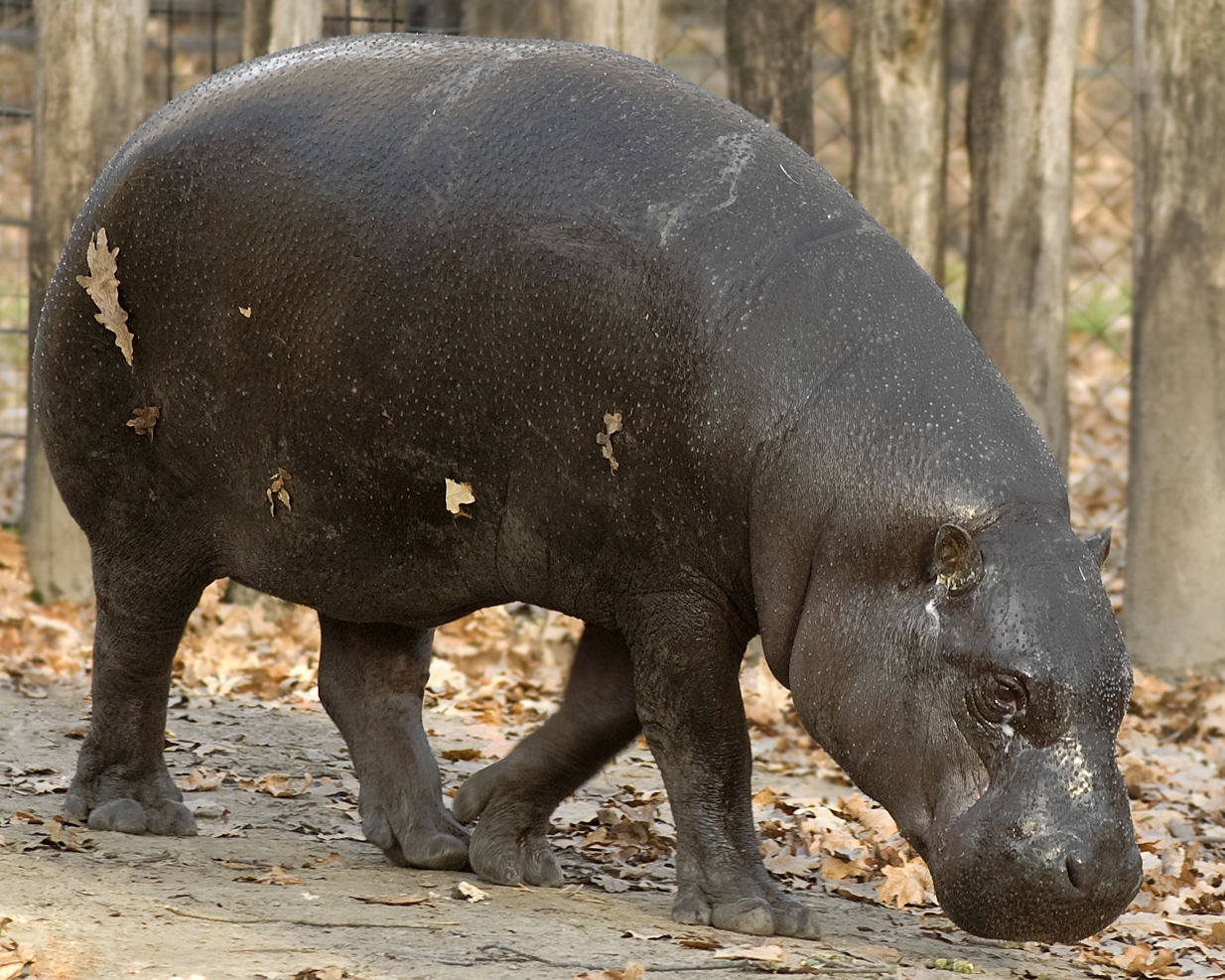
Hippos have barrel-shaped bodies, short limbs, large heads and enormous mouths armed with tusk-like incisors and canines. Eyes, ears and nostrils are positioned high on the skull so the animals can see and breathe while mostly submerged. Their skin secretes a reddish oily substance that acts as a sunscreen and has antimicrobial properties. Diets are herbivorous: most feed on grasses, usually grazing at night and returning to water to keep cool and protect sensitive skin.
Species and behaviour
- Common hippopotamus (the familiar large species): highly social in aquatic groups and often territorial in water.
- Pygmy hippopotamus (smaller, more terrestrial and solitary): found in forested wetlands and rare compared with the common hippo; taxonomy may use different genus names in some classifications. See a short list of the living species.
Evolution, distribution and conservation
Hippopotamids evolved from extinct artiodactyl relatives and are closely related to cetaceans (whales and dolphins) according to molecular and fossil evidence. Fossil relatives were more diverse in past geological epochs. Today hippos are native to sub-Saharan Africa and occupy rivers, lakes and swamps. Both extant species face pressure from habitat loss, hunting and human–wildlife conflict; conservation efforts include protected habitats, population monitoring and local management to reduce clashes with people.
Hippos are ecologically important as grazers and as modifiers of aquatic systems, and they feature prominently in many cultures. They are also recognized as one of Africa's most dangerous large mammals when humans enter their territory.
Related articles
Author
AlegsaOnline.com Hippopotamidae: the hippopotamus family Leandro Alegsa
URL: https://en.alegsaonline.com/art/44336