
Hoatzin: the leaf-eating bird of Amazonian wetlands
The hoatzin (Opisthocomus hoazin) is a distinctive South American bird known for its leaf-based diet, enlarged fermenting crop, wing-clawed chicks and uncertain evolutionary relationships.
Overview
The hoatzin (Opisthocomus hoazin) is a large, unusual bird native to wetland forests of northern South America. It is most often seen in riverine and swampy environments of the Amazon and Orinoco basins. Adults have a long neck, a shaggy crest, streaked brown plumage and bare blue facial skin; their appearance is striking but their flight is weak because much of their body cavity is occupied by a very large crop used in digestion.
Image gallery
9 Images


Appearance and digestive adaptations
Unlike most birds, the hoatzin is primarily folivorous — leaves make up the bulk of its diet. Its crop and enlarged oesophagus host a complex community of bacteria and other microbes that ferment plant material in a process akin to foregut fermentation in ruminant mammals. This adaptation allows the hoatzin to extract nutrients from leaves but produces a distinctive, pungent odour. The digestive system constrains wing and chest musculature, so adults are poor fliers and move slowly through vegetation.
Diet and behavior
Hoatzins feed on young leaves, shoots, flowers and some fruit. They browse while perched and often forage in small groups, moving through the branches in search of tender foliage. Social behaviors include communal roosting and calling; nests are usually built over water or near flooded vegetation to reduce terrestrial predation. Examples of the habitats they frequent include swamps, river forests and coastal mangroves.
Reproduction and the wing-clawed chicks
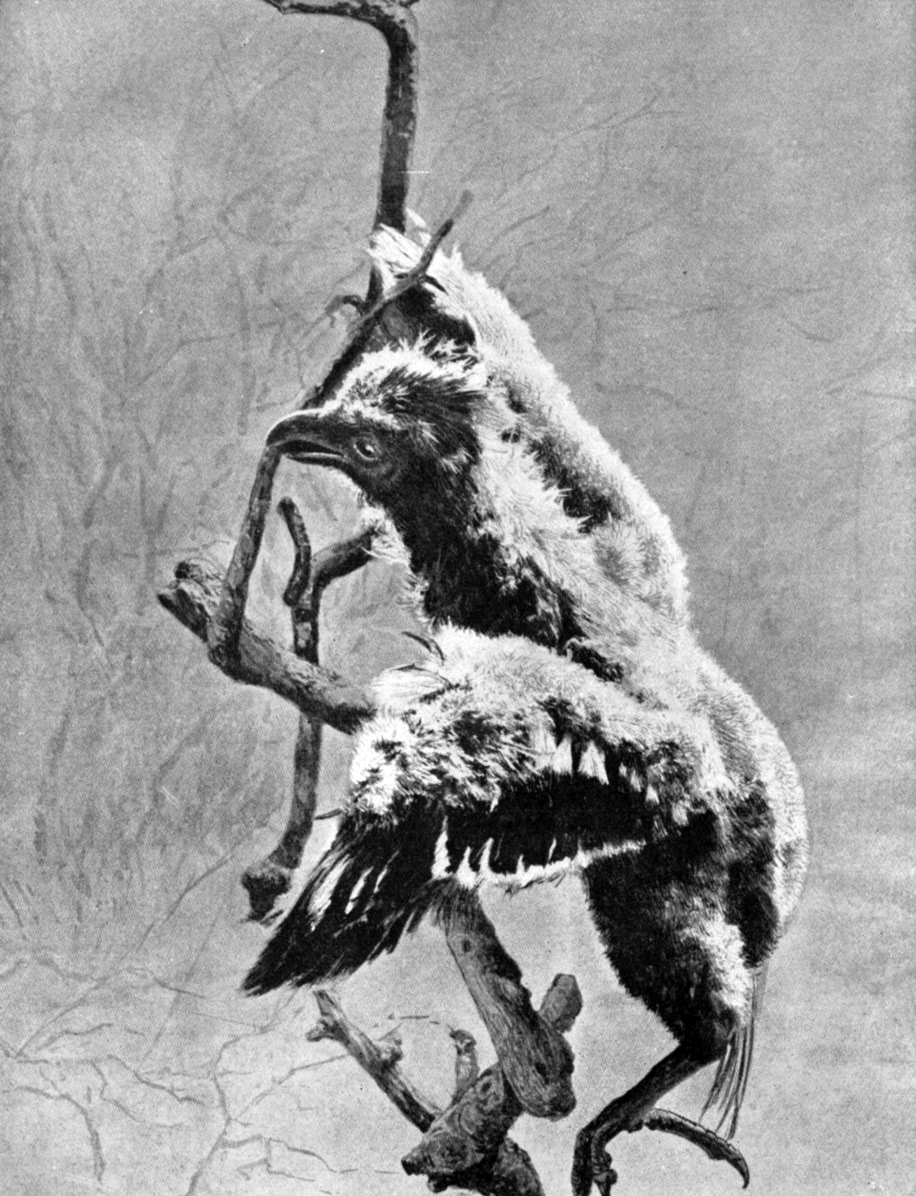
Pairs typically lay two to three eggs in a platform nest. Hoatzin chicks are altricial and remarkable for the two small claws on each of the first two wing digits. Young birds use these claws to grip branches and climb back to the nest if they fall; when threatened they may leap into the water, swim, and then climb using their wing claws. These claws are lost as the birds mature and their flight feathers develop.
Taxonomy, relationships and conservation
The hoatzin is the sole living member of the family Opisthocomidae and the genus Opisthocomus. Its evolutionary relationships to other bird groups have long been debated; morphological and molecular studies have produced differing hypotheses, and the hoatzin remains an isolated lineage with few close living relatives. Although not generally regarded as globally endangered, hoatzin populations can be affected by habitat destruction, hunting and disturbance, and local declines have been reported. For more on its ecology and anatomy see wing-clawed chicks and digestive system.
- Unique traits: folivory, large fermenting crop, smelly breath, and clawed chicks.
- Range: Amazon and Orinoco wetlands of northern South America.
- Conservation note: dependent on intact wetland forest; sensitive to habitat change.
Questions and answers
Q: Where can the hoatzin be found?
A: The hoatzin can be found in swamps, river forests, and mangroves of the Amazon and the Orinoco delta in South America.
Q: What is the hoatzin's main diet?
A: The hoatzin's main diet consists of leaves.
Q: What special adaptations does the hoatzin's gut have?
A: The hoatzin's gut has special adaptations that aid their digestion of leaves.
Q: What is unique about the hoatzin's young?
A: The hoatzin's young have claws on two of their wing digits.
Q: What family does the hoatzin belong to?
A: The hoatzin is the only living member of the family Opisthocomidae.
Q: What happened to the hoatzin's close relatives?
A: The hoatzin's close relatives likely died out a long time ago.
Q: What is the subject of debate regarding the hoatzin?
A: There is much debate about the hoatzin's relationships with other birds.
Related articles
Author
AlegsaOnline.com Hoatzin: the leaf-eating bird of Amazonian wetlands Leandro Alegsa
URL: https://en.alegsaonline.com/art/44590
Sources
- britannica.com : "hoatzin (bird)"
- fp.auburn.edu : "Foregut fermentation in the hoatzin, a neotropical leaf-eating bird"
- doi.org : 10.1126/science.245.4923.1236
- pubmed.ncbi.nlm.nih.gov : 17747887
- biology-web.nmsu.edu : The Hoatzin Genome Project
- jgi.doe.gov : "Why sequence Hoatzin crop microbiome?" US Department of Energy Joint Genome Institute web page