
Hillsborough disaster (15 April 1989)
A fatal crowd crush at Hillsborough Stadium during the 1989 FA Cup semi‑final that killed 97 people, led to safety reforms, long inquiries, and major legal and cultural consequences in English football.
The Hillsborough disaster occurred on 15 April 1989 at Hillsborough Stadium in Sheffield, South Yorkshire, England. During the FA Cup semi‑final between Liverpool and Nottingham Forest, a fatal crush in the stadium's standing terraces led to the deaths of 97 people and left hundreds injured. It remains the deadliest disaster in British sporting history.
Image gallery
10 Images




What happened
On the day of the match, large numbers of supporters were concentrated at the Leppings Lane end of the ground. A combination of poor crowd management, insufficient policing decisions and the design of the standing pens resulted in a crush on the central terraces. Emergency access to the pitch and to the injured was hampered, which increased the number of casualties. Immediate accounts and later official inquiries found that failures by those responsible for safety and crowd control, rather than the behaviour of supporters, were central to the tragedy.
Investigations and legal outcomes
In the years after the disaster there were multiple inquiries and legal proceedings. Early official reports and public coverage initially laid partial blame on fans, but subsequent independent reviews and inquests established that police operational failures and shortcomings in emergency response were major factors. The long process of disclosure, review and judicial examination altered public understanding and produced rulings that attributed responsibility to authorities rather than to supporters. The protracted inquiries are often cited as an example of how complex disasters can lead to lengthy legal and political consequences; for an overview of the formal reviews see post‑disaster inquiries.
Consequences and reforms
- Stadium safety: The disaster prompted major changes to crowd safety and stadium design, including moves away from large standing terraces at the highest levels of the English game and improved stewarding and emergency procedures.
- Legal and cultural impact: The event led to statutory and regulatory reforms, new guidance for policing large events, and sustained public debate about accountability in sport and public life.
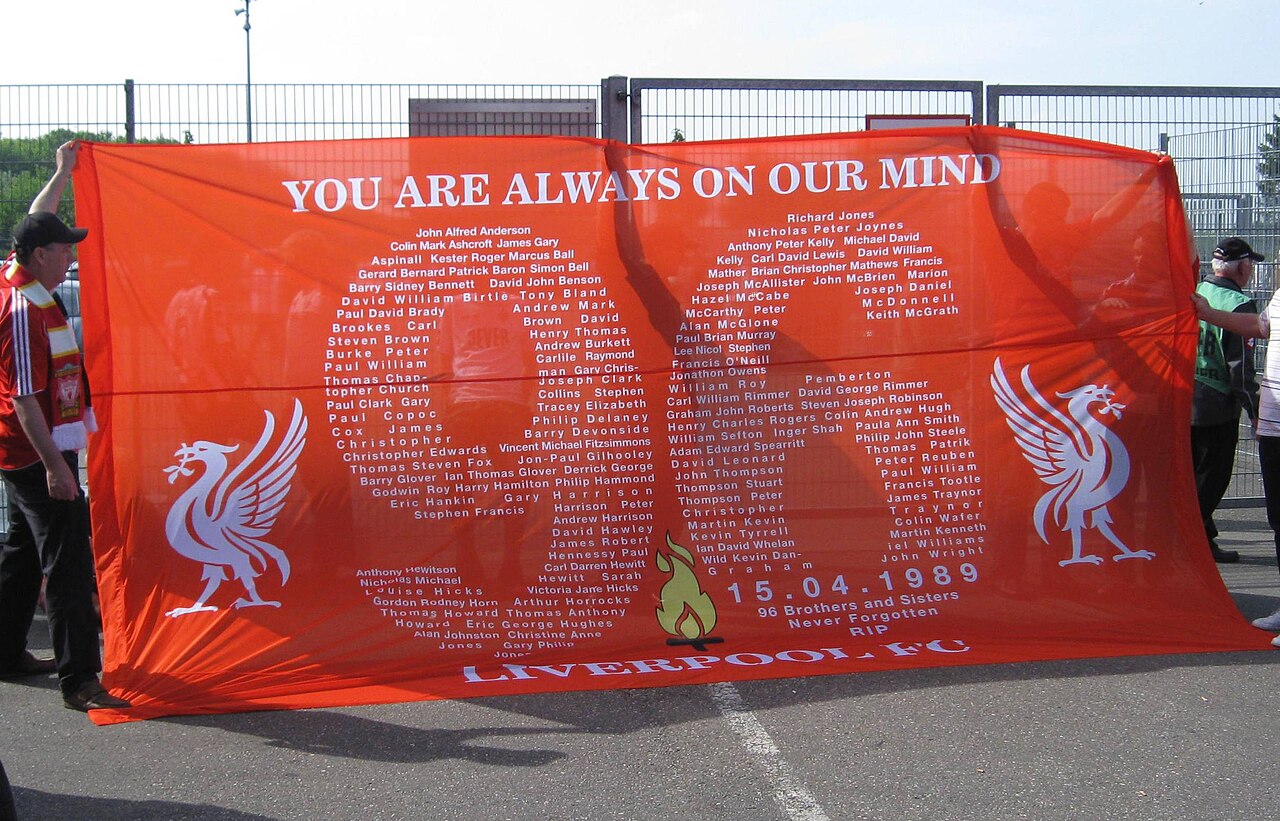
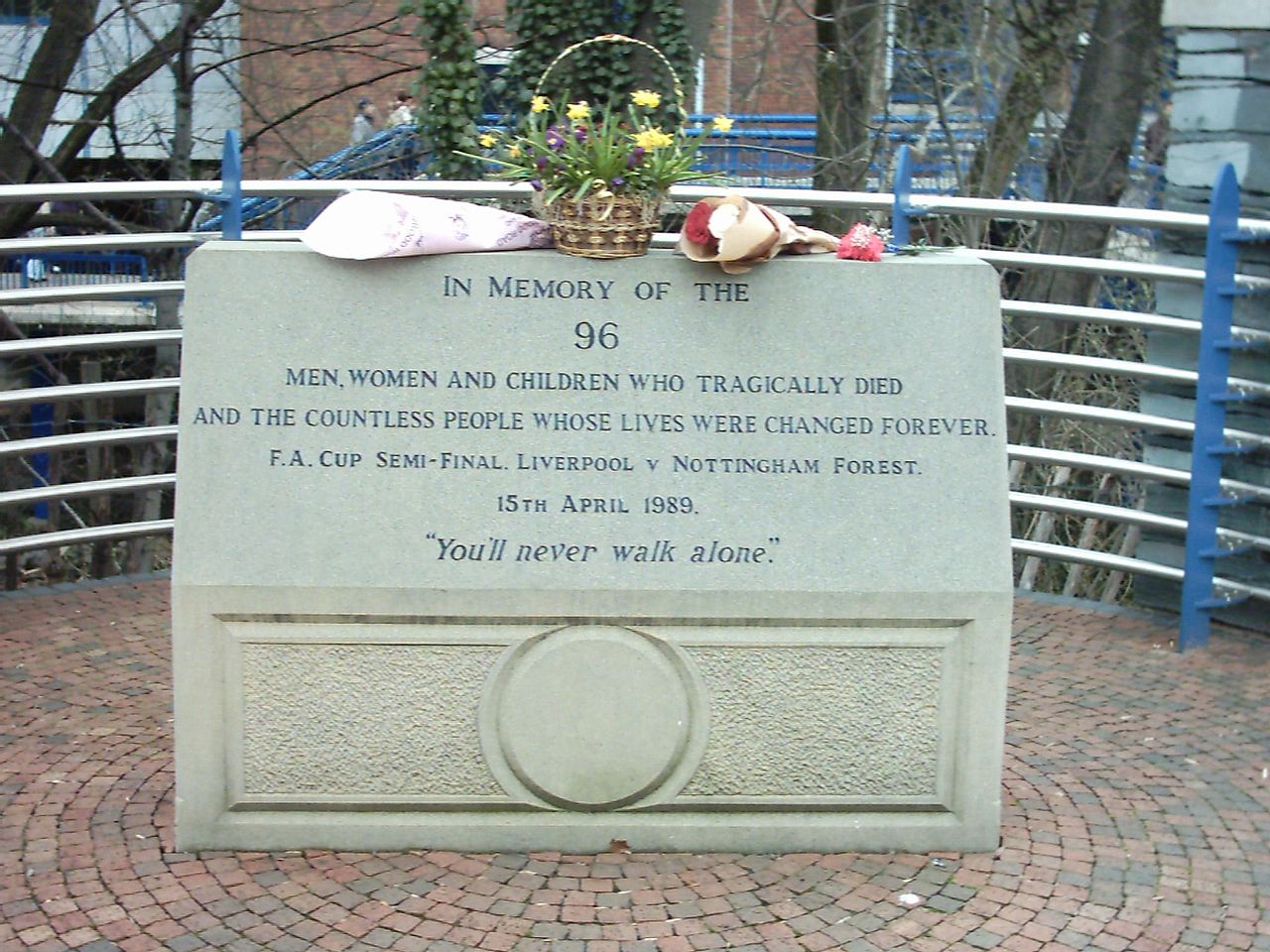
- Commemoration: Families, clubs and the local community have maintained long‑term campaigns for truth and justice, and there is a permanent memorial at Hillsborough to honour those who died.
Public reaction and media issues
Media coverage of the disaster and its aftermath was controversial. Some outlets ran inaccurate or inflammatory reporting in the days after the incident; one tabloid's coverage in particular caused widespread outrage and led to boycotts and a longstanding refusal by Liverpool F.C. to engage with that paper's journalists, a ban noted in later years against The Sun. The controversy over reporting fed into the wider campaign for accurate public records and transparent inquiry.
Legacy
The Hillsborough disaster reshaped how football matches are policed, how stadiums are constructed and how authorities prepare for mass gatherings. It remains a touchstone in discussions about public safety, victims' rights and institutional accountability. Annual commemorations and continuing scholarship keep public attention on the lessons learned from 15 April 1989, and on the families and communities affected by the tragedy.
Related articles
Author
AlegsaOnline.com Hillsborough disaster (15 April 1989) Leandro Alegsa
URL: https://en.alegsaonline.com/art/44234
Sources
- timesonline.co.uk : "Hillsborough: the disaster that changed football"
- bbc.co.uk : "Liverpool FC ban for Sun journalists over Hillsborough"