
Hurricane Alicia (August 1983)
Hurricane Alicia was a Category 3 Atlantic hurricane that made landfall in southeast Texas in August 1983, killing 21 people and causing approximately $2.6 billion in damage (1983 USD).
Overview
Hurricane Alicia was the first named storm and first hurricane of the 1983 Atlantic hurricane season. It developed in mid‑August and became the strongest and deadliest tropical cyclone of that year. Alicia reached major‑hurricane strength before striking the Texas coast and produced substantial damage across the Houston metropolitan area and surrounding communities. For background on the wider season, see 1983 Atlantic hurricane season.
Image gallery
8 Images


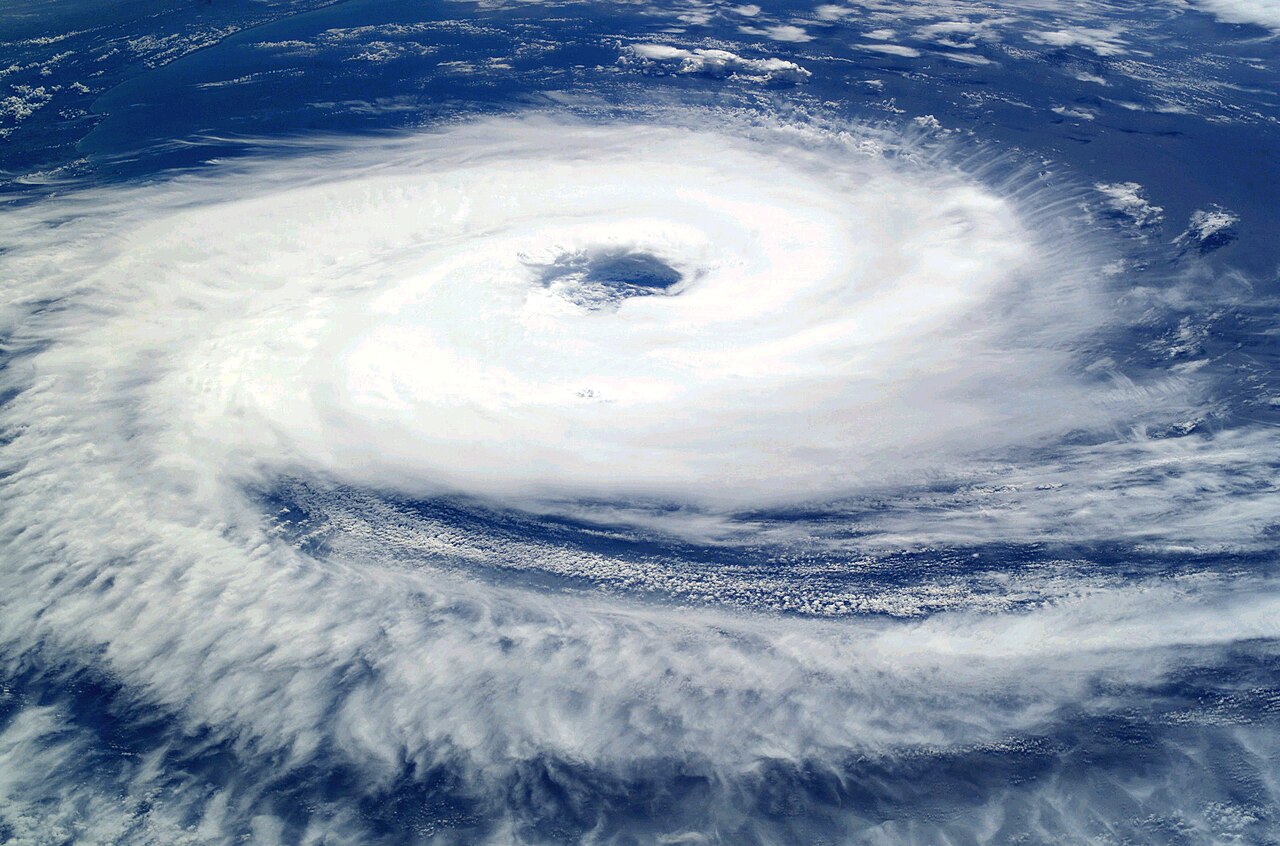


Meteorological history and characteristics
Alicia originated as Tropical Depression Three in the central Gulf of Mexico on August 15, 1983. It moved generally westward toward the Texas coastline, intensifying into a hurricane as it approached land. At peak intensity, Alicia produced sustained winds near 115 mph (185 km/h), placing it at the low end of Category 3 on the Saffir–Simpson scale at landfall on August 18. The system weakened rapidly after moving inland and had dissipated over land by August 21. For a concise summary of its track and landfall, see resources on its Gulf‑to‑coast progression via Gulf of Mexico to Texas.
Impacts and damage
The storm was responsible for 21 confirmed deaths and caused widespread structural and economic damage. Estimated losses totaled about $2.6 billion in 1983 dollars. Alicia produced damaging winds, localized flooding, and coastal impacts that affected residential neighborhoods, businesses, and industrial facilities in southeastern Texas. Power outages, broken windows in downtown structures, and harm to transportation and utilities were among the storm's consequences, and recovery required months of cleanup and rebuilding.
Response, aftermath and significance
Emergency response included local evacuations, search and rescue operations, and disaster relief efforts coordinated by state and federal agencies. Alicia's striking of an urbanized coastline renewed attention to the vulnerability of large metropolitan areas to hurricane impacts and informed later planning, building codes, and preparedness measures in the region. The storm remains a reference point in Texas hurricane history as the most destructive since Hurricane Carla in 1961 at that time.
Notable facts
- First named storm and first hurricane of the 1983 season.
- Made landfall at peak intensity on August 18, 1983, as a Category 3 hurricane.
- Caused 21 fatalities and approximately $2.6 billion in damage (1983 USD).
- Considered the most destructive Texas hurricane since 1961's Hurricane Carla when measured by damage and urban impact at the time.
While Alicia was relatively compact compared with some Atlantic hurricanes, its landfall near a heavily populated region magnified its effects. The storm is studied as an example of how even a short‑lived hurricane can produce concentrated and severe damage when it intersects dense coastal development.
Questions and answers
Q: What was the first named storm of the 1983 Atlantic hurricane season?
A: Hurricane Alicia was the first named storm of the 1983 Atlantic hurricane season.
Q: How many people did Hurricane Alicia kill?
A: Hurricane Alicia killed a total of 21 people.
Q: What was the estimated damage caused by Hurricane Alicia?
A: The estimated damage caused by Hurricane Alicia was $2.6 billion (1983 dollars).
Q: When did Hurricane Alicia form in the Gulf of Mexico?
A: Hurricane Alicia formed from Tropical Depression Three on August 15 in the Gulf of Mexico.
Q: Where did Hurricane Alicia make landfall at its strongest point?
A: At its strongest point, Hurricane Alicia made landfall in Texas with 115 mph (185 km/h) winds.
Q: When did it weaken into a tropical depression?
A: After making landfall, Hurricane Alicia quickly weakened into a tropical depression before dissipating overland on August 21.
Q: What other Texan hurricane does it compare to in terms of destruction?
A: In terms of destruction, Hurricane Alicia is considered to be the most destructive Texan hurricane since 1961'sHurricane Carla.
Related articles
Author
AlegsaOnline.com Hurricane Alicia (August 1983) Leandro Alegsa
URL: https://en.alegsaonline.com/art/45824
Sources
- nhc.noaa.gov : "Hurricane Alicia Prelimary Report - Page 1 - Storm History"
- ams.allenpress.com : "1983 Monthly Weather Review"
- chps.sam.usace.army.mil : "STORM DEVELOPMENT AND HISTORY"
- nhc.noaa.gov : "Hurricane Alicia Prelimary Report - Page 4 - Strike Probs - Watches/Warnings"
- time.com : "Coping with Nature"
- usatoday.com : "Hurricane Alicia, 1983"
- nhc.noaa.gov : "Hurricane Alicia Prelimary Report - Page 5 - Meteorological Effects"
- nhc.noaa.gov : "Hurricane Alicia Prelimary Report - Page 2 - Impact I"
- srh.noaa.gov : "Texas Hurricane History: Late 20th Century"
- uscg.mil : "Houston Coast Guard"
- chps.sam.usace.army.mil : "Warnings"
- geocities.com : "Bayside hurricane's Alicia page"
- srh.weather.gov : "Upper Texas Coast Tropical Cyclones in the 1980s"
- hurricane.lsu.edu : "Are Chemical Plants Really Safe?"
- hpc.ncep.noaa.gov : "Tropical Cyclone Rainfall: Hurricane Alicia"