
Hurricane Agnes (1972): flood impacts and legacy
A Category 1 Atlantic hurricane in June 1972 whose heavy rains and floods devastated parts of the U.S., causing around $3 billion in damage, roughly 130 deaths, and prompting long-term recovery efforts.
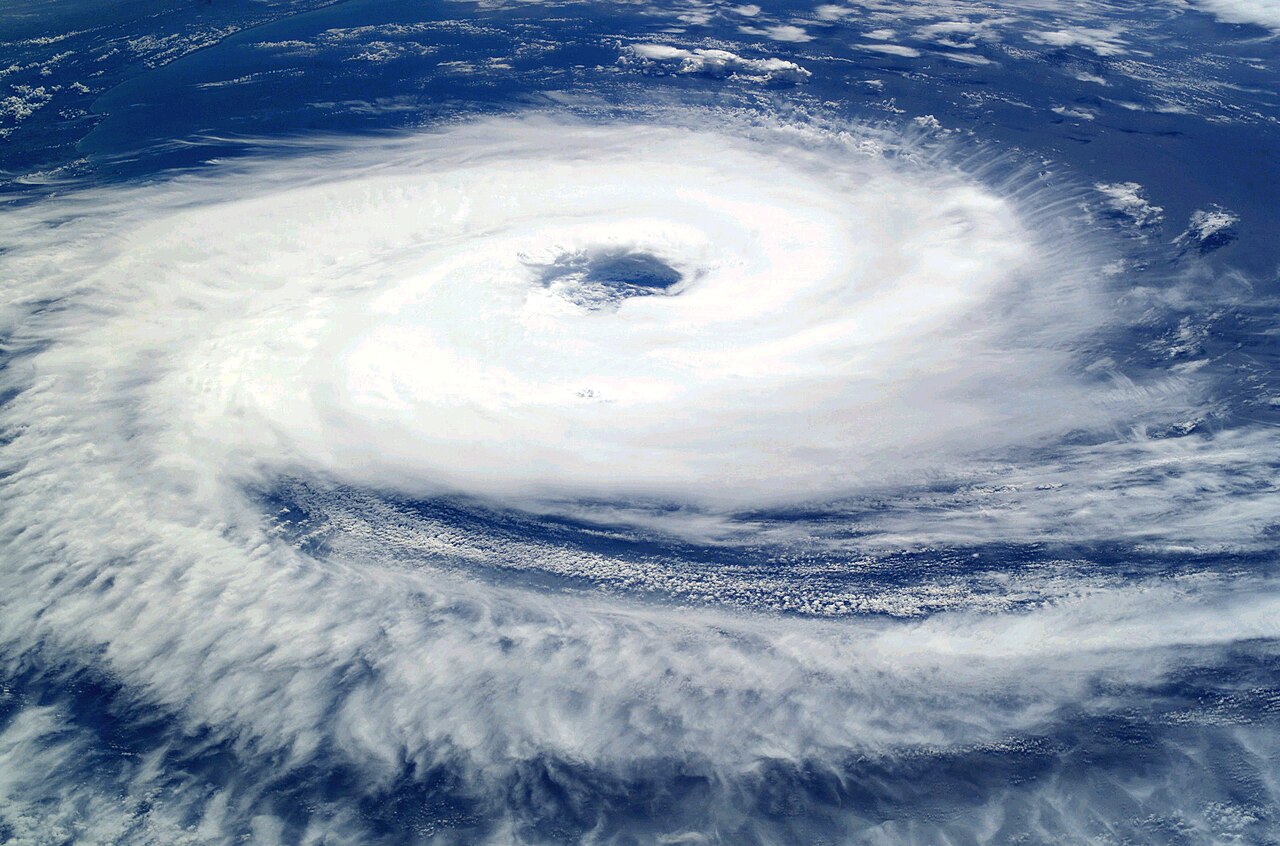
Overview: Hurricane Agnes was an Atlantic tropical cyclone in June 1972 that achieved Category 1 hurricane strength before moving inland and producing widespread flooding across the eastern United States. It formed during the 1972 Atlantic hurricane season and is remembered less for wind intensity and more for its prolonged, heavy rainfall and the flood damage that followed. The storm struck Florida and then moved northward, producing its most severe consequences in parts of the Mid-Atlantic and Northeast, including Florida, Pennsylvania, and New York.
Image gallery
10 Images





Meteorological characteristics
Agnes reached Category 1 strength on the Saffir–Simpson scale, which denotes sustained winds sufficient to be classified as a hurricane but not among the most intense tropical cyclones. Its damaging effects resulted primarily from very heavy precipitation, slow movement, and interactions with mid-latitude weather systems that enhanced rainfall inland. As Agnes moved away from the coast it underwent structural changes common to hurricanes moving into cooler air, but the slow pace and abundant moisture meant extended periods of rain over river basins and populated valleys.
Impacts and human costs
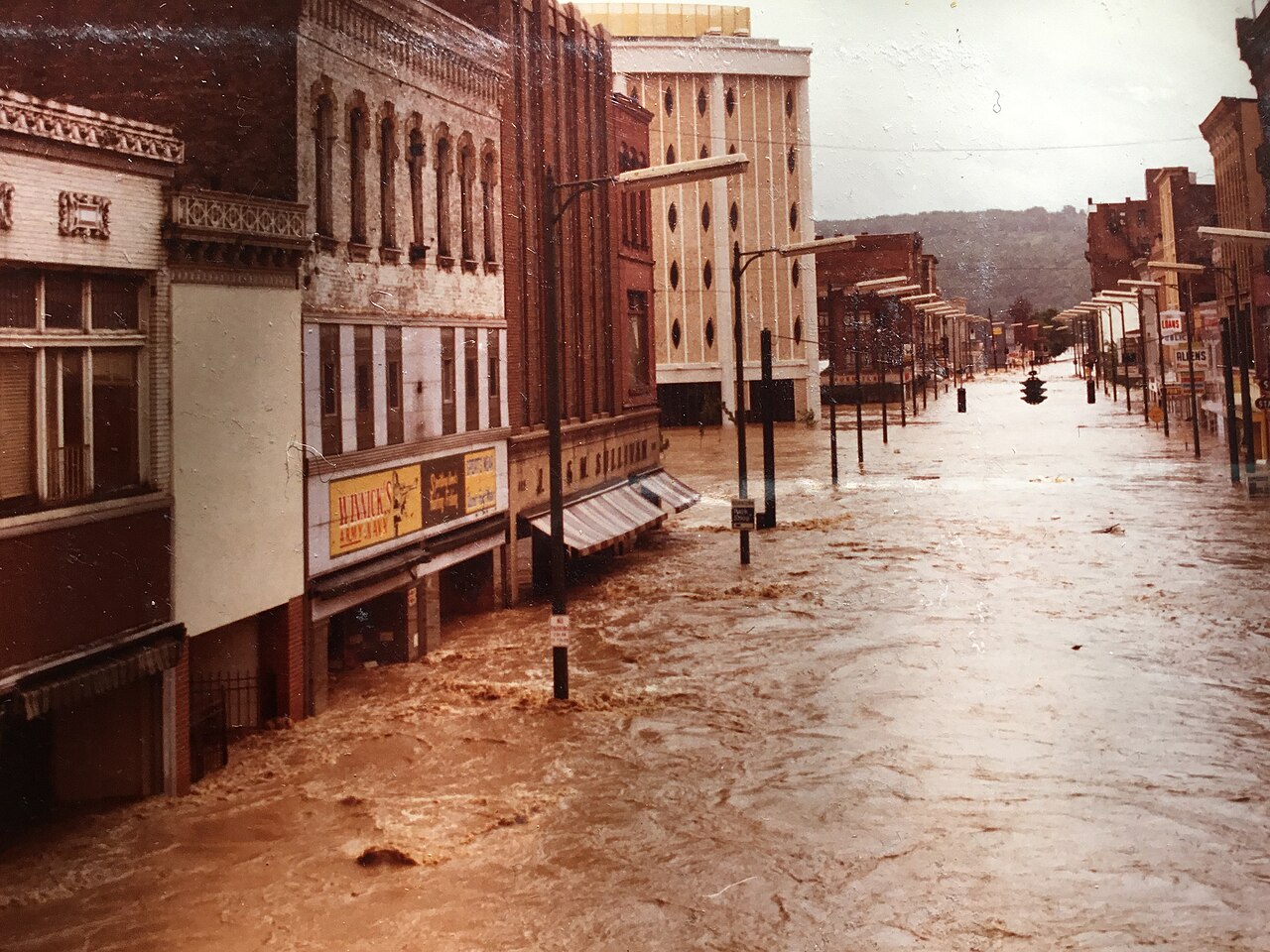
The storm produced extensive flooding, river overflows, and coastal inundation in several states. Floodwaters damaged homes, businesses, roads, and bridges, forcing many communities into lengthy recovery operations. Contemporary assessments placed the direct damage from Agnes at roughly $3 billion (1972 USD), making it the costliest U.S. hurricane on record at that time and one of the costliest in the Atlantic basin then documented. When adjusted for later inflation, estimates place its equivalent cost at about $15.7 billion (2009 USD), a reminder of how historic weather disasters grow in monetary terms over time.
- Fatalities: The event resulted in the deaths of approximately 130 people across affected areas, due largely to flooding and secondary hazards.
- Regional effects: The worst human and infrastructure impacts occurred in Florida, Pennsylvania, and New York, where river valleys and urban centers suffered major inundation.
- Tornadoes: As Agnes moved inland it also spawned a notable tornado outbreak; roughly 28 tornadoes were reported in association with the storm system, adding to local damage and complexity of response efforts (tornado reports).
Aftermath, response, and significance
The scale of destruction prompted large federal and state disaster responses, long-term rebuilding, and review of flood-control priorities in affected basins. Floodplain management, emergency planning, and river flood-control infrastructure received renewed attention in the years that followed. Because the storm's greatest harm came from rainfall and inland flooding rather than extreme winds, Agnes is often cited in emergency management literature as an example of how relatively weak hurricanes by wind classification can produce catastrophic non-wind impacts.
Notable distinctions
Despite reaching only Category 1 intensity, Agnes was one of the relatively rare Atlantic hurricane names to be retired because of its destructive impacts. It joined a small group of names retired after storms that did not reach the highest wind categories, a list that includes Cesar, Klaus, Noel, and Stan. At the time of its occurrence Agnes ranked among the costliest hurricanes in both the United States and the wider Atlantic Ocean basin, as documented in contemporary summaries and later reviews (economic assessments).
Researchers and emergency planners continue to study Agnes because it demonstrates the complex ways tropical cyclones can interact with regional weather patterns, river systems, and human infrastructure. Its legacy influenced improvements in forecasting communication, floodplain zoning, and cross-jurisdictional disaster coordination that are still relevant for modern hurricane and flood preparedness.
Questions and answers
Q: What category was Hurricane Agnes?
A: Hurricane Agnes was a Category 1 hurricane.
Q: What states were most affected by the hurricane?
A: Florida, Pennsylvania, and New York were the states most affected by Hurricane Agnes.
Q: How many people did it kill?
A: Hurricane Agnes killed 130 people.
Q: How much damage did it cause in 1972?
A: In 1972, Hurricane Agnes caused $3 billion (USD) in damage.
Q: How much would that be worth in 2009 dollars?
A: In 2009, the same amount of damage would have been worth $15.7 billion (USD).
Q: Was there an outbreak of tornadoes associated with the hurricane?
A: Yes, there was a tornado outbreak associated with Hurricane Agnes; about 28 tornadoes were seen.
Q: What other hurricanes had their names retired due to their severity? A: The names "Cesar", "Klaus", "Noel", and "Stan" were also retired due to their severity as Category 1 hurricanes.
Related articles
Author
AlegsaOnline.com Hurricane Agnes (1972): flood impacts and legacy Leandro Alegsa
URL: https://en.alegsaonline.com/art/45822