
Highland (Upland): Definition, Characteristics and Significance
Highlands or uplands are elevated landforms such as hill ranges, low mountains, and plateaus. This article explains definitions, physical traits, formation, human uses, and notable examples.
Overview
The words highland and upland describe terrain that is higher than the surrounding landscape. In general usage, an upland denotes a series of hills or gently rising country, while highland often refers to ranges of low mountains or elevated plateaus. Both terms are applied to regions that influence local climate, drainage and vegetation, broadly encompassing anything from rolling hill country to extensive elevated plateaus.
Image gallery
2 Images
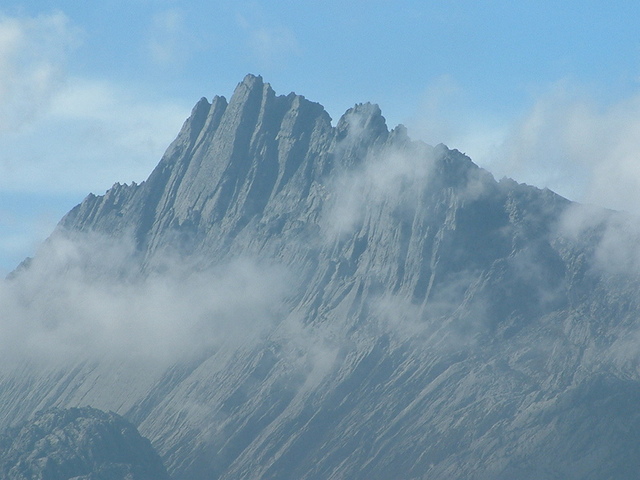
Characteristics
Uplands and highlands are distinguished by relief, slope and elevation rather than a strict numeric boundary. Uplands typically consist of undulating hills and ridges with modest elevations; by contrast, highlands are occupied by steeper, more rugged terrain and may form low mountain ranges or elevated plateaus. These areas commonly have thinner soils, cooler temperatures and different plant communities than adjacent lowlands, and they often act as watersheds feeding rivers and aquifers.
Formation and geological context
Highlands arise through a variety of geological processes: tectonic uplift can raise broad tracts of crust to form plateaus; folding and faulting build mountain ranges; and long-term erosion can leave resistant rock standing as elevated blocks. Past glaciations have also sculpted many upland surfaces, carving valleys and depositing moraines that shape modern topography.
Human uses and ecological importance
People have long used uplands for grazing, forestry and secure settlement, and many highland areas support distinctive agricultural systems adapted to slope and climate. Highlands are important for biodiversity because they provide specialized habitats and serve as refuges for species. They are also crucial for water supply and for recreation, tourism, and cultural identity in many regions.
Distinctions and examples
- Terminology: "upland" emphasizes hilliness and modest height, while "highland" often implies mountainous character or plateaus.
- Plateau vs. mountain: a plateau is an elevated flat or gently undulating area; a mountain range consists of peaks and ridges.
- Notable examples: the Scottish Highlands illustrate cultural as well as physical highlands; the Ethiopian Highlands and the Tibetan Plateau are major elevated regions with distinct climates and hydrology.
For further reading on related geomorphology and regional examples, see resources on mountainous regions, elevated plateaus such as the plateau landforms, and the characteristics of hill and upland environments.
Related articles
Author
AlegsaOnline.com Highland (Upland): Definition, Characteristics and Significance Leandro Alegsa
URL: https://en.alegsaonline.com/art/44153
Sources
- ucmp.berkeley.edu : upland