
Pachuca (Pachuca de Soto): capital of Hidalgo, Mexico
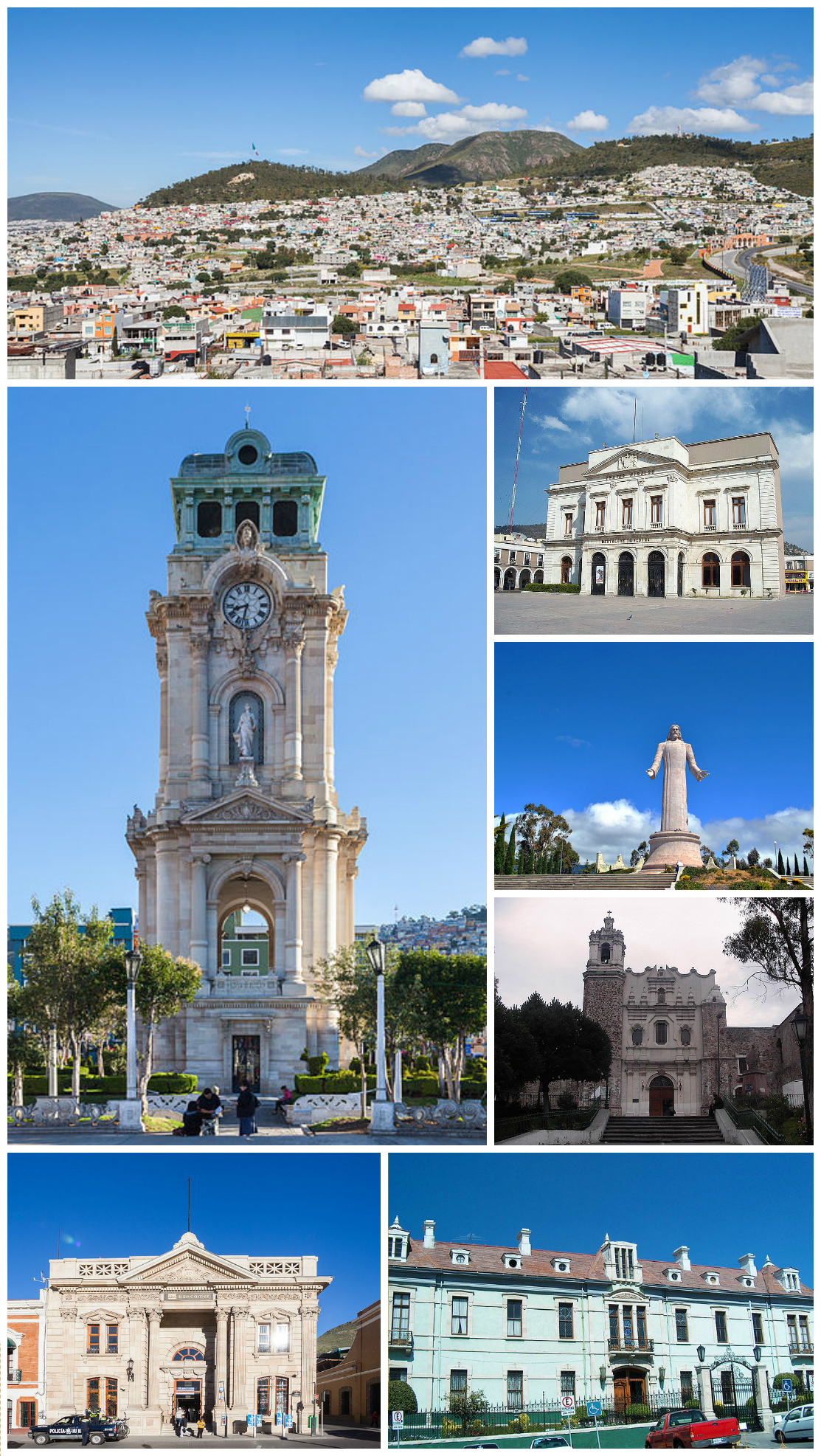
Pachuca, officially Pachuca de Soto, is the capital of Hidalgo state in Mexico, known for its mining history, strong winds, the paste pastry, an early football tradition, and the Monumental Clock.
Overview
Pachuca, officially Pachuca de Soto, is the administrative center of the state of Hidalgo and the seat of the municipality of Pachuca. Located on the high central plateau of Mexico, the city is commonly known simply as Pachuca and is noted for its distinctive nickname "La Bella Airosa" (the Windy Beauty or Bride of the Wind), reflecting the persistent breezes that characterize its climate.
Image gallery
10 Images



Geography and climate
Pachuca sits at a relatively high elevation on the Mexican Plateau, which yields a temperate climate with cool nights and frequent wind. The city's position near the Sierra de Pachuca contributes to its varied topography, with urban areas framed by hills and former mining sites. Weather patterns have influenced local architecture and festivals, and the wind is a recurring motif in public art and municipal symbolism.
History and development
The city's modern development centers on a long history of mining. Silver and other minerals attracted settlers and entrepreneurs from the colonial period through the 19th century, shaping Pachuca's economy, layout, and social life. In the 19th century, foreign miners and engineers — notably from Britain and Cornwall — arrived to work in the shafts and smelters, bringing new mining techniques as well as cultural practices that left a lasting imprint on the city.
Cultural influences and traditions
Two widely recognized cultural legacies trace to the mining era: the local pastry known as the "paste" and the strong football (soccer) tradition. Pastes are small, folded pies originally adapted from Cornish pasties and now filled with savory or sweet ingredients; they remain a culinary emblem and a frequent item at markets and bakeries. Football clubs established in Pachuca in the early 20th century became foundational to the sport's growth in Mexico, and the city's team is often cited among the nation's oldest organized clubs.
Landmarks and civic life
- Monumental Clock (Reloj Monumental): Erected to commemorate the centennial of Mexican independence, this tower is a focal point of the historic center and a commonly photographed symbol; see more about the clock here.
- Mining museums and heritage sites: Several institutions interpret the region's mining past through exhibits, guided tours of former works and collections of tools and documents.
- Historic neighborhoods: Streets and public spaces reflect periods of growth, blending colonial-era layouts with 19th- and 20th-century industrial architecture.
Economy and contemporary significance
Although mining declined in relative importance over recent decades, Pachuca diversified into services, education, light industry and tourism. The city functions as an administrative and cultural hub for Hidalgo state, hosting universities, festivals and sporting events that attract visitors from the region. Public investment in heritage sites and gastronomy has promoted Pachuca as a destination for travelers interested in history and local cuisine.
Notable distinctions
Pachuca's identity is shaped by the blend of indigenous, colonial and international influences resulting from mining-era contacts. Its nickname, culinary traditions, early adoption of organized football, and the Monumental Clock remain emblematic features. For practical information and municipal services visit local portals or municipal offices represented online by official resources such as state, national or municipal listings.
Additional reading and visitor resources are available through cultural and tourism pages; for a general introduction see tourism materials and summaries of civic landmarks including the Monumental Clock dedicated pages.
Related articles
Author
AlegsaOnline.com Pachuca (Pachuca de Soto): capital of Hidalgo, Mexico Leandro Alegsa
URL: https://en.alegsaonline.com/art/73903
Sources
- e-local.gob.mx : Pachuca de Soto-Encyclopedia of the municipalities of Mexico.