
Antbirds (Thamnophilidae): Neotropical insectivores and army-ant followers
Antbirds (Thamnophilidae) are a diverse Neotropical family of over 200 small insectivorous passerines; many follow army ants, form long-term pairs, and are vulnerable to habitat loss.
Overview
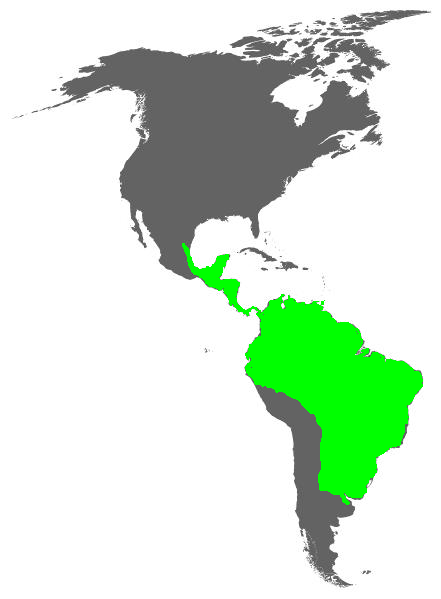
The antbirds (family Thamnophilidae) are a large and diverse group of mainly insectivorous passerine birds found throughout the Neotropics. Their range extends from Mexico and Central America through most of South America to as far south as Argentina. The family includes more than 200 species commonly referred to as antshrikes, antwrens, antvireos, fire-eyes, bare-eyes and bushbirds. Despite some names that echo other groups, antbirds are a distinct lineage of Neotropical passerines (passerine overview).
Image gallery
10 Images


Taxonomy and relationships
Antbirds are part of a broader assemblage of understory and ground-dwelling Neotropical families that also includes the antthrushes and antpittas (Formicariidae), tapaculos (Rhinocryptidae) and gnateaters (Conopophagidae). Common names such as "wren" or "vireo" in some antbird species are convergent rather than indicating close kinship with true wrens, vireos or shrikes.
Appearance
Most antbirds are small to medium-sized, with rounded wings, fairly strong legs and relatively heavy bills that in many species are hooked at the tip (bill morphology). Plumage is often subdued—greys, browns, rufous and whites—with sexual dimorphism common: males and females frequently differ in pattern or intensity of colour. Several species possess conspicuous white patches on the back or shoulder that can be flashed during displays or territorial encounters.
Feeding ecology and army-ant followers
Antbirds feed principally on insects and other arthropods, taking spiders, beetles, caterpillars and occasionally small vertebrates. Most forage in the understory and midstory; a few species hunt on the ground or in the canopy. A distinctive behaviour in roughly eighteen species is specialised following of army ants. These ant-following antbirds do not eat the ants but capture the small invertebrates and other prey flushed from the leaf litter by advancing ant swarms. Some species are obligate followers, relying on ant columns for most of their feeding, while others join temporarily when opportunities arise.
Behaviour, breeding and social organisation
Most antbirds form stable pair bonds and are generally monogamous, often mating for life. Pairs defend territories and build relatively simple cup nests, commonly laying two eggs. Both parents usually share incubation and feeding of nestlings; interestingly, after fledging it is common in many species for each adult to concentrate care on a different chick, a strategy that may reduce predation risk and increase fledgling survival.
Habitat and conservation
Most antbird species are forest dwellers, favouring primary rainforest, secondary growth, riverine forest and swampy understory depending on species. Habitat loss, fragmentation and degradation are the principal threats across their range. Reduction of continuous forest into smaller patches can disproportionately affect understory specialists and obligate ant-followers because it increases nest exposure and reduces available foraging habitat. As a result, around thirty-eight species have been assessed as threatened or at risk, primarily due to habitat loss.
Field identification and research notes
- Many antbirds are cryptic in plumage and are more reliably detected and identified by their calls; vocalisations are important diagnostic characters in field guides and scientific treatments (passerine overview, family treatments).
- Studies of ant-following behaviour and territorial systems provide insight into community ecology and interspecific interactions in the forest understory (army-ant following, flushed prey).
- Regional species lists and distributional accounts are maintained in checklists and handbooks for Central America, South America, Mexico and Argentina.
For further reading consult comprehensive species lists and conservation assessments: global and regional resources include annotated checklists and family accounts (species lists), comparative notes on related families (Formicariidae, Rhinocryptidae, Conopophagidae), and summaries of morphology, diet and behaviour (bill morphology, dietary studies, mating systems, territorial behaviour, post-fledging care, wren distinctions, vireo distinctions, shrike distinctions, habitat loss impacts).
Questions and answers
Q: What family do antbirds belong to?
A: Antbirds belong to the Thamnophilidae family.
Q: Where are antbirds found?
A: Antbirds are found in subtropical and tropical Central and South America, from Mexico to Argentina.
Q: How many species of antbird exist?
A: There are more than 200 species of antbird.
Q: How does the plumage of an antbird differ between sexes?
A: The two sexes have somewhat different pattern and colouring.
Q: What type of bill do most antbirds have?
A: Most antbirds have heavy bills, which in many species are hooked at the tip.
Q: What types of habitats do most antbirds live in?
A: Most species live in forests, although a few are found in other habitats.
Q: How do some species communicate warnings to rivals? A: Some species communicate warnings to rivals by exposing white feather patches on their backs or shoulders.
Related articles
Author
AlegsaOnline.com Antbirds (Thamnophilidae): Neotropical insectivores and army-ant followers Leandro Alegsa
URL: https://en.alegsaonline.com/art/4551
Sources
- bmcevolbiol.biomedcentral.com : bmcevolbiol.biomedcentral.com/articles/10.1186/1471-2148-4-23
- annualreviews.org : annualreviews.org/doi/abs/10.1146/annurev.es.09.110178.001331