
Anomalocaris: a Cambrian apex predator
Anomalocaris, an extinct radiodont often called an 'abnormal shrimp', was a large Cambrian predator with distinctive frontal appendages, a circular oral cone, and large compound eyes; known from Burgess Shale and other sites.
Anomalocaris is an extinct genus of enigmatic, shrimp-like animals from the Cambrian Period. It belongs to a group commonly called anomalocaridids or radiodonts and is widely regarded as one of the earliest examples of a large marine predator. Fossils show an animal with a soft, flexible body, paired lateral flaps for swimming and conspicuous feeding structures at the front of the head.
Image gallery
10 Images




Key characteristics
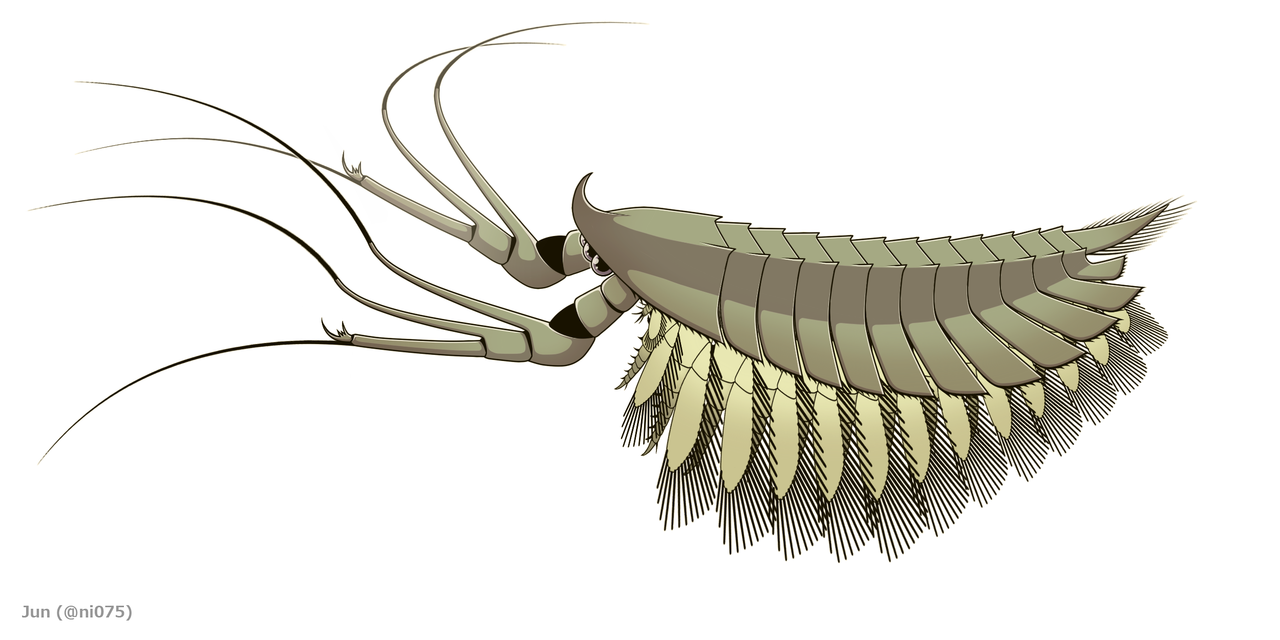
Reconstructions of Anomalocaris emphasize several distinctive anatomical features that set it apart from other Cambrian forms. These include:
- Two spiny, jointed frontal appendages used to capture or manipulate prey.
- A circular, plate-like mouth consisting of multiple tooth plates often called an "oral cone".
- Large, well-developed compound eyes mounted on stalks or peduncles, indicating advanced vision for the time.
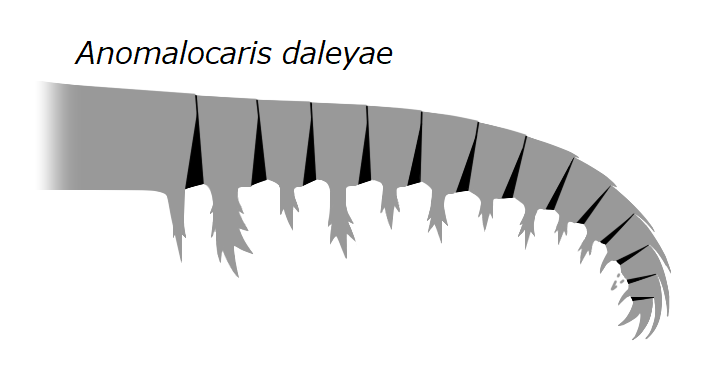
- Flexible body and series of lateral swimming flaps that produced an undulating swimming motion.
Feeding, ecology and size
Anomalocaris is interpreted as an active predator or scavenger. The frontal appendages could have grasped soft-bodied animals or scavenged carcasses, while the oral cone may have crushed or sliced food. It was among the largest known animals of the Cambrian seas, with specimens and closely related taxa reaching lengths measured in multiple tens of centimetres, making it a likely top-tier consumer in its ecosystems.
Fossil record and history of discovery
Specimens of Anomalocaris and related forms have been found in several Burgess Shale–type deposits around the world, including the famous Burgess Shale where Charles Doolittle Walcott collected many early specimens. Early researchers mistakenly described isolated parts—appendages, mouth plates and body segments—as separate organisms. It was only after later reexamination of complete fossils that the pieces were recognized as parts of a single animal, changing our understanding of its anatomy and lifestyle.
Taxonomy and evolutionary significance
Anomalocaris is placed among the radiodonts, a stem-group of arthropods that illustrates transitional features between early lobopodian-like animals and crown-group arthropods. Its combination of advanced sensory structures and specialized feeding appendages provides important clues about how predation drove early animal evolution and the diversification seen in the Cambrian explosion. Modern discussions often relate anomalocaridids to arthropods and other early panarthropod groups; for broader context see arthropods.
Notable facts and sites
Important localities for Anomalocaris and relatives include the Burgess Shale and other Cambrian lagerstätten where soft-bodied preservation captures delicate anatomy. Historical collectors and researchers—such as those associated with the Burgess Shale—played a key role in assembling the fragmented fossil record into the coherent picture we have today. For further reading about early discoveries and subsequent reinterpretations see collections and databases noted by museum and research institutions (early collectors, Burgess Shale resources).
Related articles
Author
AlegsaOnline.com Anomalocaris: a Cambrian apex predator Leandro Alegsa
URL: https://en.alegsaonline.com/art/4492