
Hearth: Definition, Parts, History, and Modern Use
A hearth is the floor or lined chamber for a fire used for heating and cooking. This article covers its parts, historical role as the home's center, cultural meanings, and modern variations and safety considerations.
Overview
A hearth is the built area of a dwelling where a fire is sustained for warmth and food preparation. Traditionally it is a chamber or open recess lined with brick or stone and forms part of a fireplace or oven. Its basic purposes are cooking and heating, though the exact form and features vary widely by culture and period. The word has ancient roots: the Latin term focus originally meant hearth, which is why "focus" is used figuratively for a central point.
Image gallery
6 Images



Components and common types
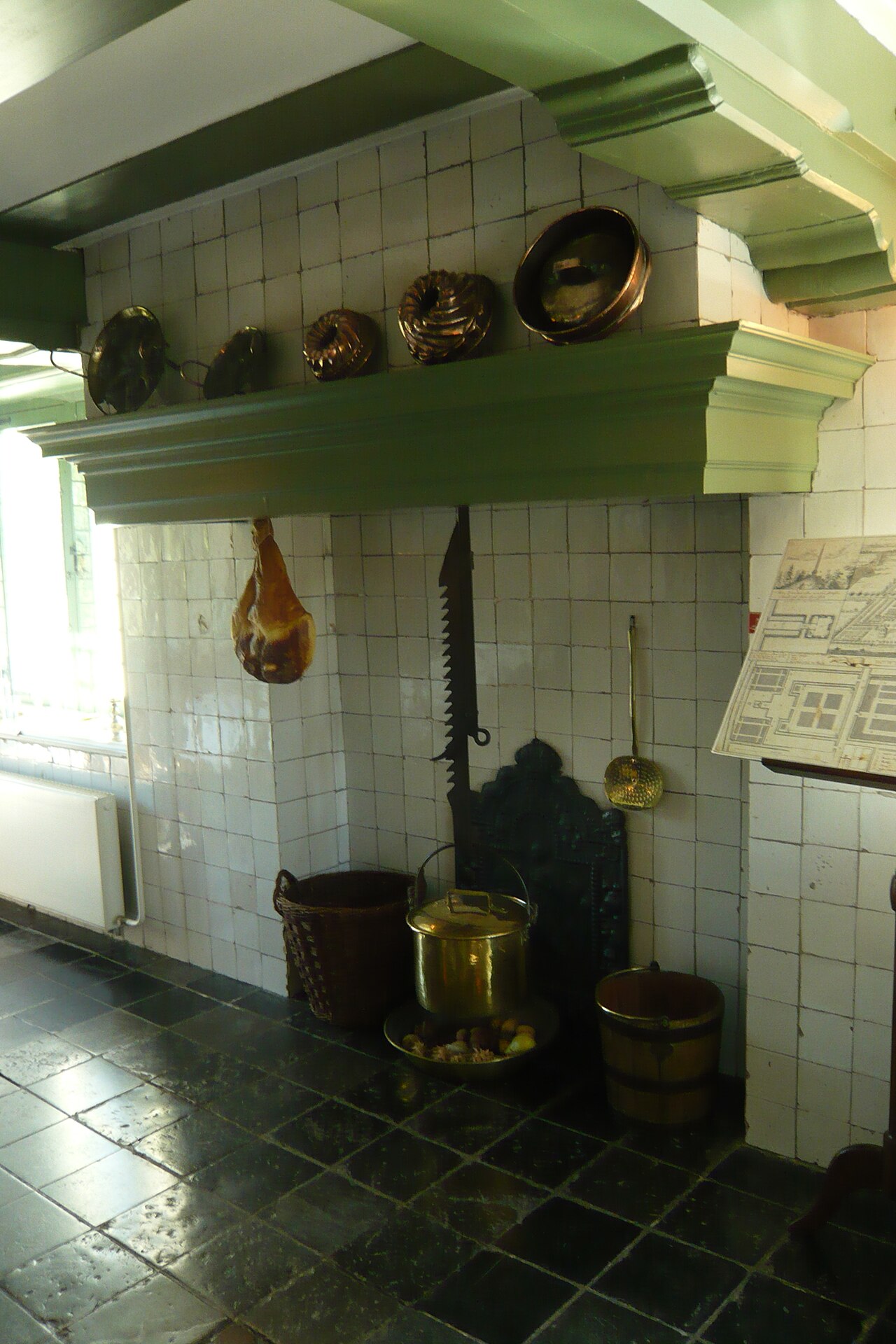
In masonry construction a hearth typically includes a firebox, a paved or raised hearthstone, and often a projecting hearth extension at floor level. Decorative or protective elements such as a mantel and surrounding tiles are common in later designs. Typical forms include:
- Masonry hearths integrated with chimneys for open fires.
- Enclosed hearths or stoves that improve efficiency and control smoke.
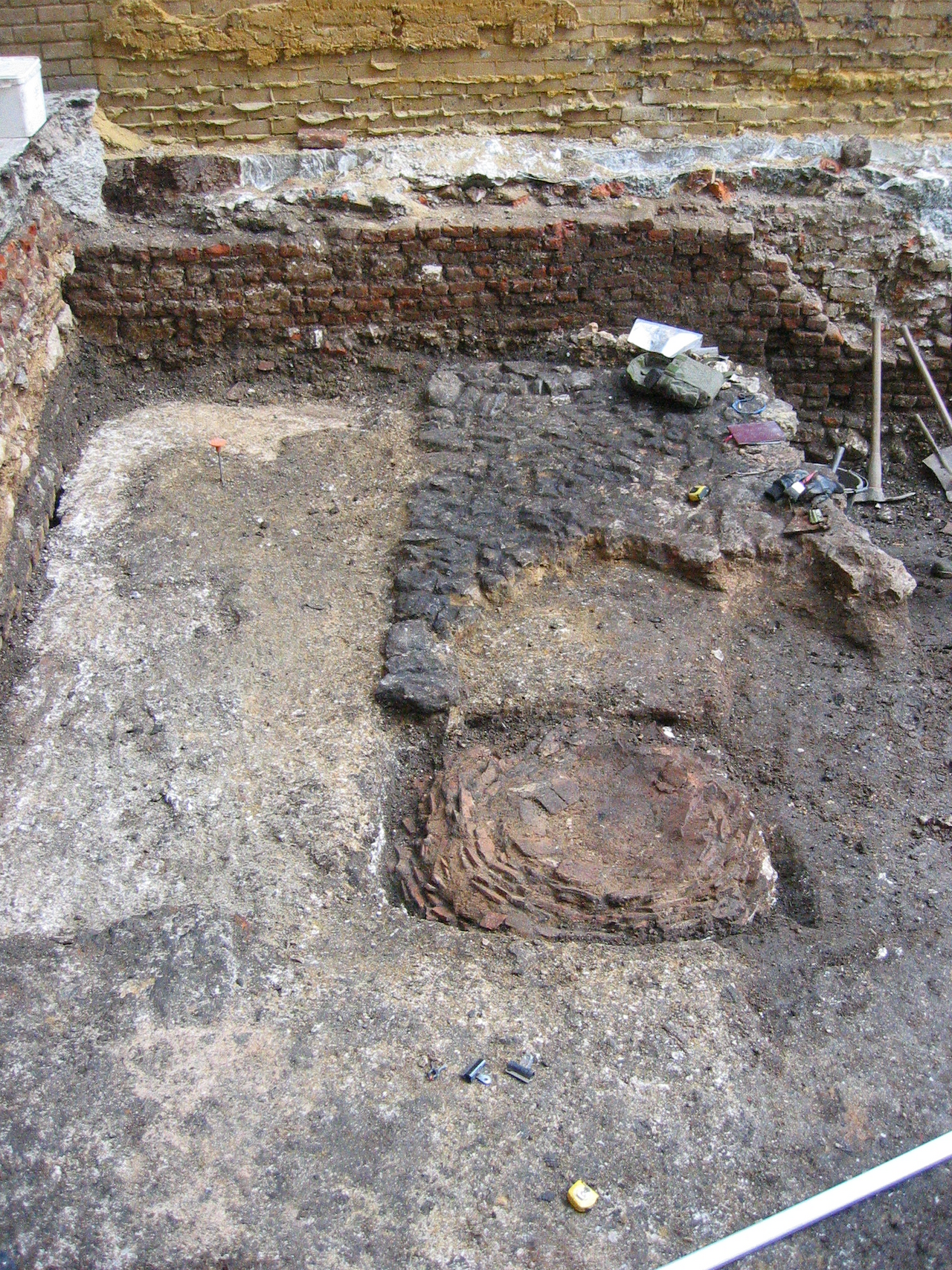
- Cooking hearths and ovens used historically for baking and roasting.
History and cultural importance
For millennia the hearth was the focal point of domestic life. Besides practical uses it served social and ritual roles: family members gathered around the fire for light, warmth, and communal meals. In many languages and traditions the hearth symbolizes home and hospitality. With the development of chimneys and later central heating, the functional dominance of the hearth declined, but its symbolic value and decorative use persisted.
Uses, examples, and modern adaptations
Historically the hearth was used directly for open-fire cooking, water heating, drying, and metalworking in some contexts. Today hearths are often designed as architectural focal points, with gas, electric, or wood-burning inserts that meet modern efficiency and emissions standards. In restaurants and artisanal bakeries, wood-fired ovens echo older hearth technologies for flavor and technique.
Safety, regulation, and distinctions
Modern building codes regulate hearth construction, clearances, and chimney design to reduce fire and smoke hazards. Distinctions to note include the hearth as the fire-bearing area versus the broader fireplace assembly, and the difference between an open hearth and an enclosed stove. Even when no longer essential for heating, hearths remain important for design, cultural reference, and selective culinary uses.
Related articles
Author
AlegsaOnline.com Hearth: Definition, Parts, History, and Modern Use Leandro Alegsa
URL: https://en.alegsaonline.com/art/43095
Sources
- archives.nd.edu : Focus