
Hessian (soldier)
Hessians were German troops leased by small German states to fight alongside British forces in the 18th century, most famously during the American Revolutionary War; their service has military and cultural significance.
Overview
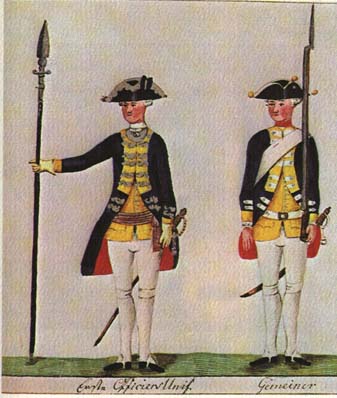
The term "Hessian" commonly refers to soldiers from the German-speaking principalities who served as auxiliaries to the British in the 18th century. Although the name comes from Hesse, several small states supplied troops to foreign powers under contractual arrangements. These units were regular soldiers of their rulers but were hired out, a practice that drew attention across Europe and in colonial theaters of war.
Image gallery
10 Images





Origins and recruitment
Many German princes maintained standing armies to secure their territories. To generate revenue, some entered treaties to provide soldiers to other states. In Britain’s case, contracts enabled it to augment its forces without long domestic levies. Recruits came from conscription, enlistment and transfers within the principality armies; commanders and pay remained tied to the supplying sovereign rather than to the hiring power.
Organization, equipment and terms
- Status: often described as auxiliaries rather than independent mercenaries, since they served under state authority.
- Structure: regiments mirrored contemporary European line infantry and specialized troops (grenadiers, jägers/ light troops).
- Equipment: typical 18th-century muskets, bayonets and standard accoutrements; uniforms were distinctive to each contingent.
Role in the American Revolutionary War
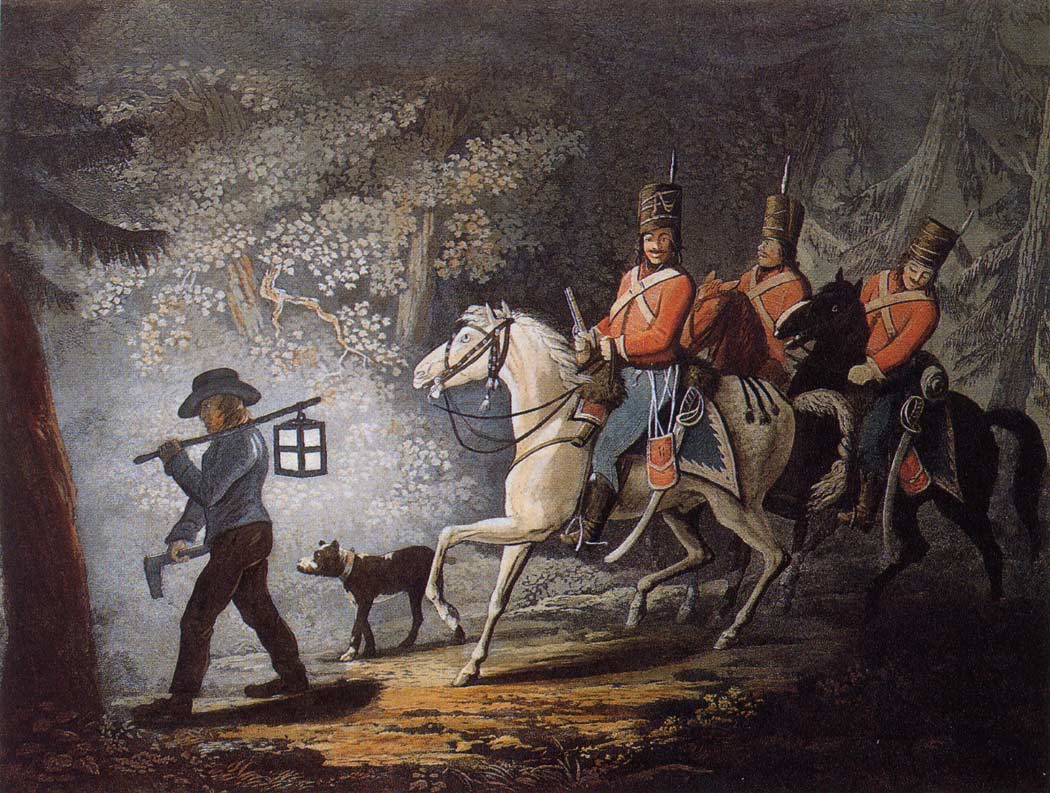
Hessian contingents are best known for their deployment with British forces in North America. They took part in major operations, often fighting alongside British regulars. Their presence was controversial in the colonies, where political leaders used their foreign status in propaganda. One of the most famous engagements was a surprise attack on troops quartered in New Jersey, which had a notable psychological and symbolic impact.
Importance and legacy
The hiring of German troops highlights how smaller European states monetized military manpower and how great powers supplemented armies in distant conflicts. After service many soldiers returned home, but some remained abroad and settled in colonial societies. In historical memory, "Hessian" endures as a shorthand for foreign auxiliaries and appears in literature, place names and reenactments.
Further reading
For context on the origins of these soldiers and the states that supplied them see German principalities and the military practices of early modern Europe. Their role alongside the British Empire can be placed within broader British strategy. The arrangements that enriched some princes involved transfers and subsidies from Great Britain, and are central to understanding how European military labor was traded in this period.
Related articles
Author
AlegsaOnline.com Hessian (soldier) Leandro Alegsa
URL: https://en.alegsaonline.com/art/43941