
Heritage of Mercury: Almadén and Idrija
A concise overview of the joint UNESCO World Heritage site linking Almadén (Spain) and Idrija (Slovenia), their mercury mining heritage, key features, historical role in global trade, and conservation issues.
Overview
The Heritage of Mercury: Almadén and Idrija is a transnational UNESCO World Heritage property that recognizes two of the world’s most important historical mercury mining complexes. The site's designation (UNESCO listing) brings together Almadén in Spain and Idrija in Slovenia, centered on the extraction and processing of mercury (also called quicksilver). Idrija itself is referred to by name in documentation as Idrija, and the combined inscription highlights shared technological, social and commercial histories arising from mercury production.
Image gallery
6 Images



What the sites consist of
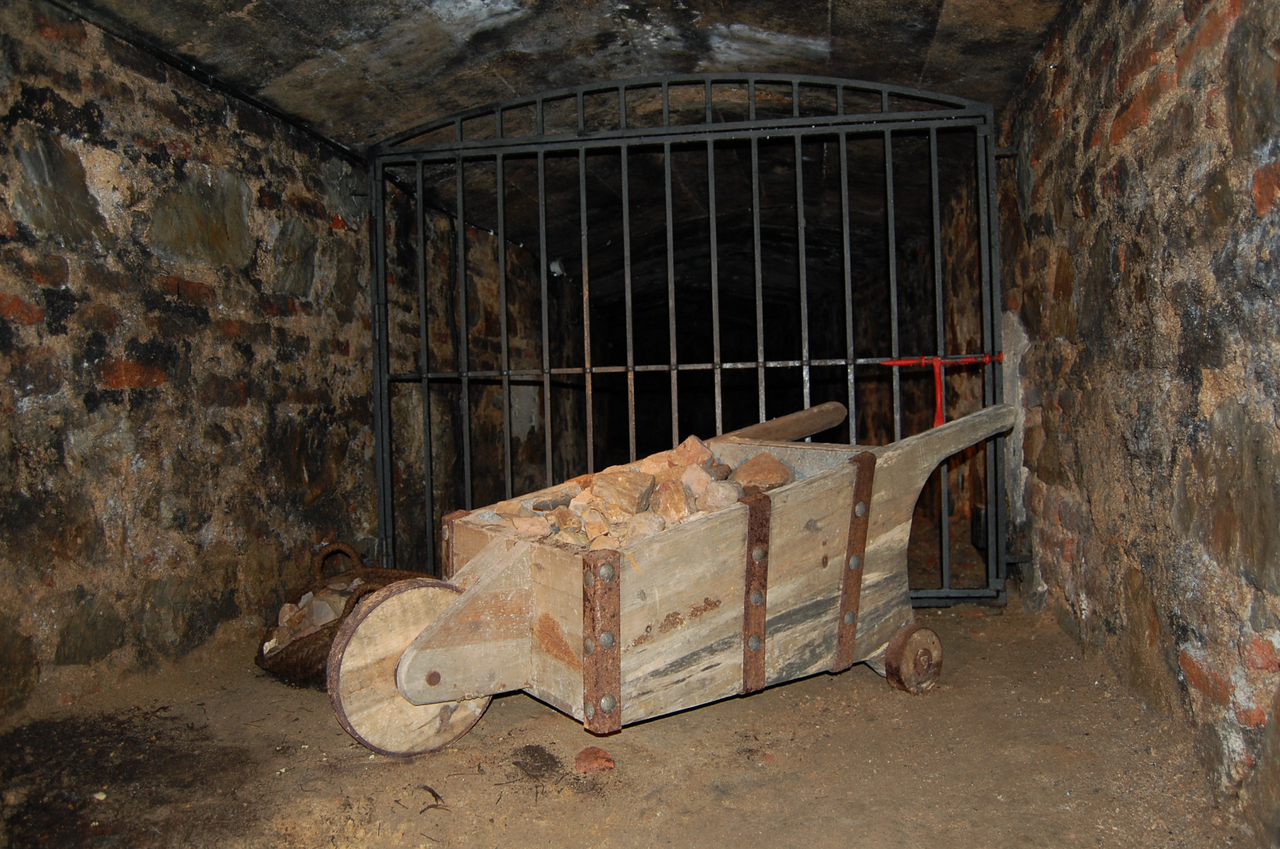
Each complex preserves a range of mining-related landscapes and buildings that illustrate different aspects of mercury production. Almadén retains industrial structures, storage facilities and community buildings, while Idrija preserves shafts, support buildings and workers’ amenities. Key surviving elements include:
- Castles and administrative buildings that controlled operations and supplies (for example, Retamar Castle in Almadén).
- Religious and communal architecture reflecting miners’ social life (religious buildings).
- Workers’ housing and neighbourhoods that show everyday living conditions (traditional houses).
- Specialized storage and transport infrastructure for mercury and ore (infrastructure), including repositories and workshops.
- Cultural facilities used by miners, such as the miners' theatre in Idrija, which testify to community organisation and leisure.
History and development
Mercury has been exploited at Almadén since ancient times and the site is often described as one of the oldest continuously worked mines in Europe; references link its long activity to antiquity. At Idrija, elemental mercury was discovered in the late 15th century (around 1490). Over the centuries both mines expanded their technical repertoire—extracting cinnabar ore and refining it to yield liquid mercury—contributing to metallurgy, medicine and the extraction of precious metals through amalgamation techniques.
Economic and global significance
Mercury played a pivotal role in global resource flows because it enabled mercury-silver amalgamation, a major method for extracting silver and gold in the Americas and elsewhere. The exchange of mercury between Europe and overseas colonies is a central theme of the property’s value: trade networks and supply chains connected these mines with distant mining regions, shaping economic and social patterns. Conservation materials and interpretive programs emphasize how trade linked production sites to markets across Europe and beyond.
Legacy, hazards and conservation
Both sites also embody the environmental and human costs of mercury production. Historic exposure affected workers and communities, and contaminated soils and structures require careful management today. Preservation efforts focus on safeguarding built heritage while addressing public health and environmental remediation. Museums, guided tours and educational initiatives interpret the technological achievements and the complex legacy of mercury mining for contemporary visitors, balancing celebration of industrial heritage with caution about its impacts.
Visiting and further information
Today the Almadén and Idrija complexes are studied, conserved and presented to the public through museums, trails and restored facilities that recall mining techniques, community life and scientific advances. For official descriptions, conservation plans and visitor resources consult the UNESCO entry (site dossier) and the municipal or regional information pages for Almadén and Idrija. Additional materials on mining heritage, technical details and remediation can be sought through specialist conservation organizations and academic publications linked from heritage portals (national authorities, technical reports, and community histories). Many interpretive resources also reference the long chronology of extraction (historical accounts), the social infrastructure preserved on site (churches, houses) and the operational systems that carried mercury and ore (mechanical works, cultural venues).
Visitors and scholars are encouraged to respect safety guidance while on-site because of residual contamination and to use authorized guides and materials when researching the technical or social history of these important industrial landscapes.
Related articles
Author
AlegsaOnline.com Heritage of Mercury: Almadén and Idrija Leandro Alegsa
URL: https://en.alegsaonline.com/art/43778
Sources
- whc.unesco.org : "Heritage of Mercury. Almadén and Idrija"