
Himeji Castle: Japan’s White Heron Fortress and World Heritage Site
Himeji Castle is an extensively preserved Japanese castle complex in Himeji, Hyōgo Prefecture, famed for its white plastered keep, layered defensive layout, and status as a UNESCO World Heritage Site.
Overview
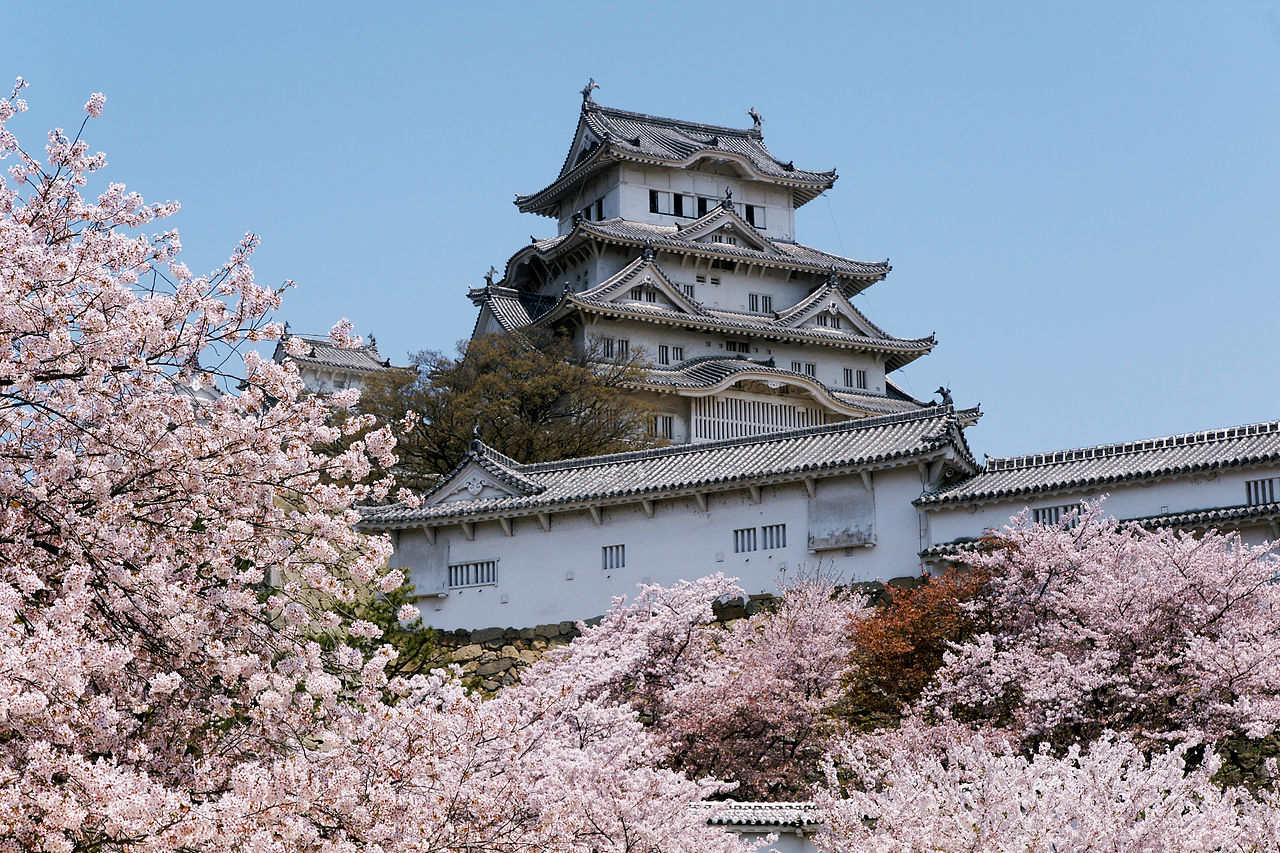
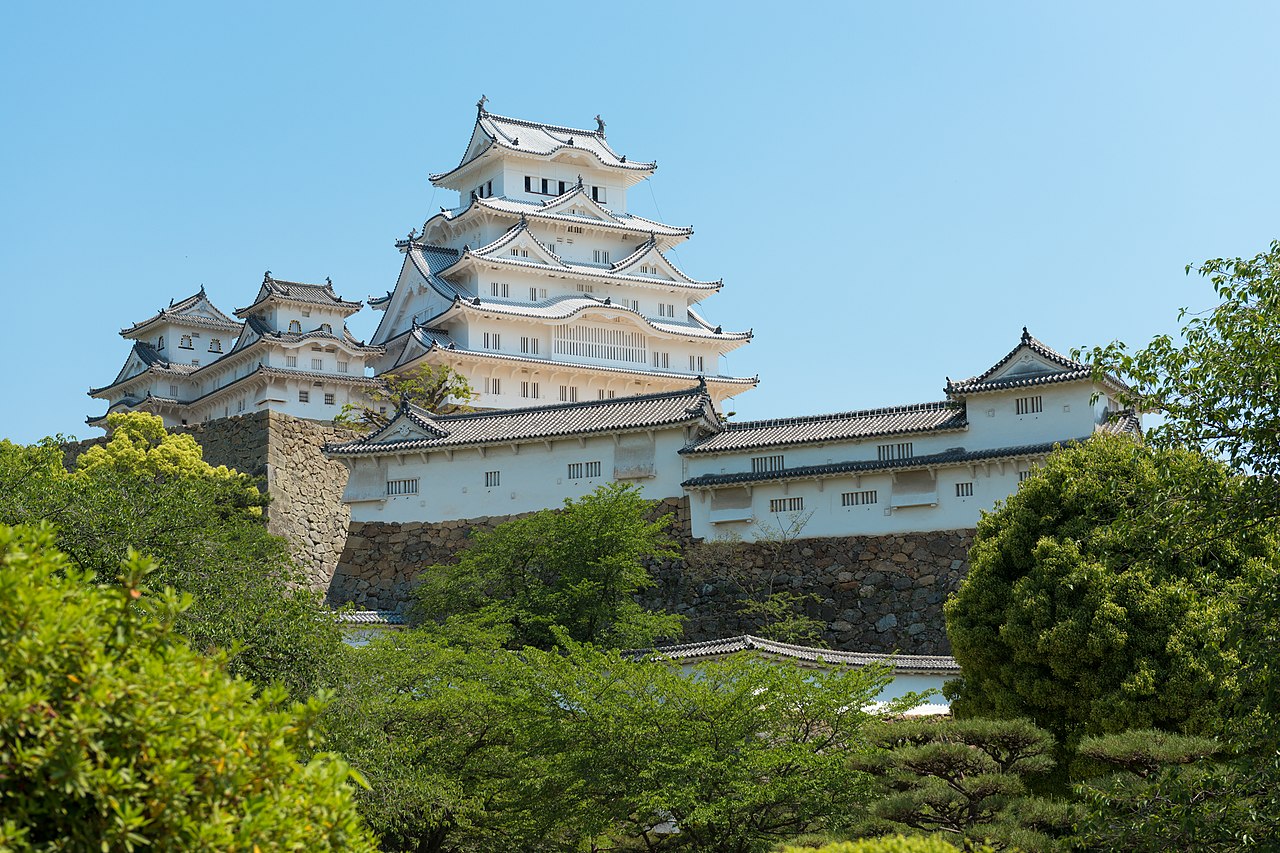
Himeji Castle is a celebrated Japanese castle complex in the city of Himeji, located in Hyōgo Prefecture. The ensemble is traditionally counted as containing 83 wooden structures gathered around a tall multi‑storey main keep. Because of its brilliant white plastered walls and elegant rooflines it is popularly called the "White Heron" Castle (also rendered as Hakurojō or Shirasagijō), an image that emphasizes both its colour and its soaring silhouette. The castle is protected as a national cultural treasure and is recognized internationally as a UNESCO World Heritage Site.
Image gallery
10 Images





Form and defensive design
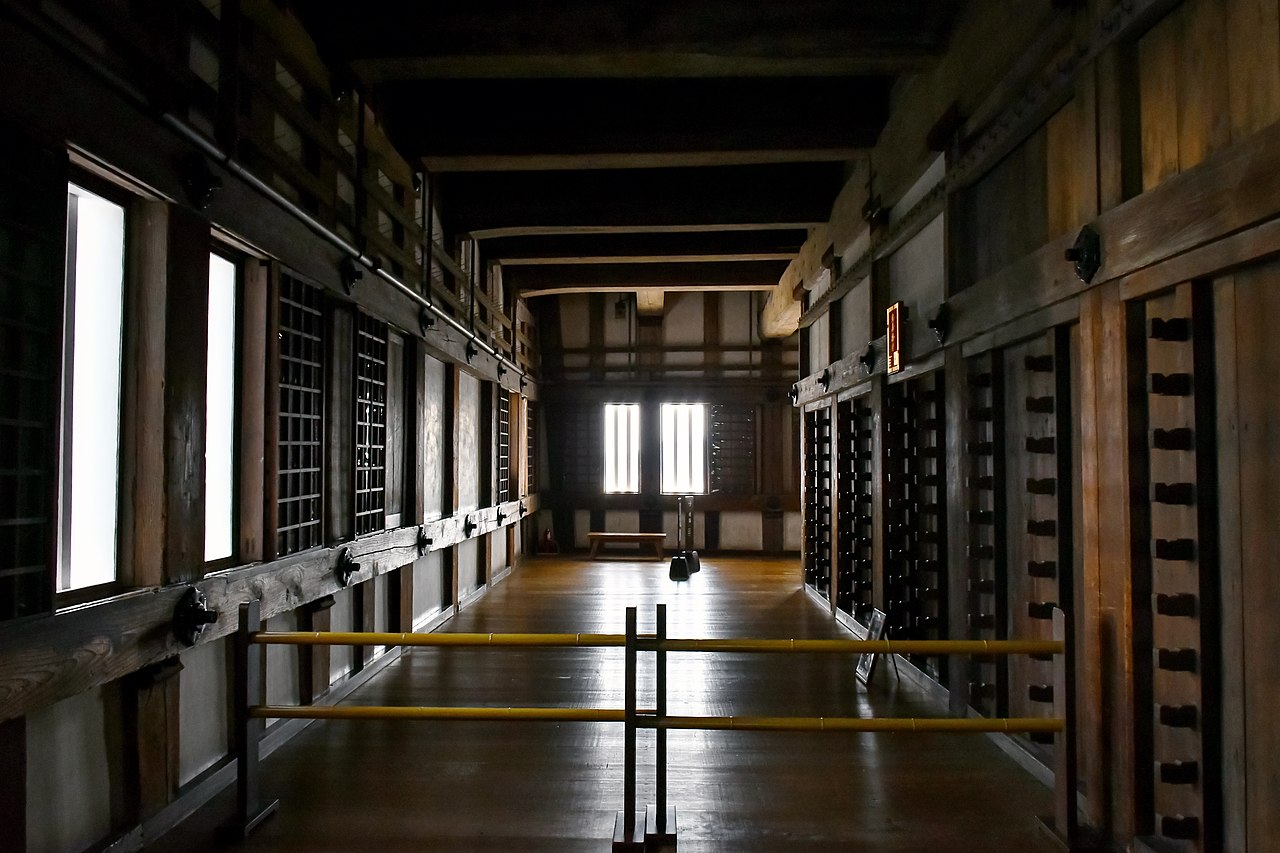
The layout of Himeji combines practical defence with refined aesthetic proportions. Its principal features include a central tenshu (main keep), subsidiary keeps and yagura (turrets), an array of gates and baileys, and winding approach paths intended to slow, divide and expose attackers. The white lime plaster applied to earthen walls helped retard fire, while timber framing and layered roofing reflect traditional Japanese construction. Visitors note how the sequence of gates and corridors creates a controlled procession through the site as well as an effective defensive system.
History and construction
The core of the surviving complex dates to major rebuilding and expansion carried out around the turn of the 17th century, when regional rulers consolidated power and invested in durable fortifications. Earlier fortifications stood on the site before that period. Over subsequent centuries Himeji remained largely intact through changing political regimes and natural hazards, which contributes to its value as a remarkably complete example of premodern Japanese castle architecture.
Cultural importance and recognitions
Himeji Castle is widely regarded as one of Japan's finest surviving feudal castles and is often grouped with other iconic sites as a leading example of native castle design. Its condition and historical significance led to national protection and international recognition; it was inscribed on the UNESCO list and has been listed among notable scenic and cultural selections such as the 100 Landscapes of Japan that represent contemporary cultural values in the Heisei period. Scholars study the site for its construction techniques, spatial planning and conservation history.
Conservation and restoration
Preservation of Himeji Castle has involved careful conservation projects that aim to retain original materials where possible and to repair or replace decayed elements with traditional methods. Those efforts balance public access with the need to protect fragile timber structures and historic finishes. Conservation teams and local authorities maintain documentation and interpretive displays to explain both original building methods and recent restoration work.
Tourism and public access
The castle is a major tourist destination and offers visitors multiple ways to experience its architecture and setting. On-site museum displays and guided interpretation explain the site's military functions, domestic spaces and construction. Visitor facilities and surrounding parks provide vantage points for photography and seasonal events. Information for travelers is available from official local tourism offices and cultural agencies; many visitors consult local guides and online resources before planning a visit.
Himeji in popular culture and media
The castle's striking appearance has made it a favored location for film and television productions. International and Japanese filmmakers have used Himeji as a backdrop in historical and period works, including films by Akira Kurosawa, the Hollywood production The Last Samurai, and the television adaptation Shogun, which featured Richard Chamberlain. These appearances have contributed to the castle's global recognition and to public interest in Japanese history and architecture.
Related sites and comparisons
Himeji is commonly mentioned alongside other well-preserved Japanese castles such as Matsumoto Castle and Kumamoto Castle in discussions of the nation's most important fortresses. Each site illustrates different regional responses to defence, residence and artistic expression, and together they help convey the diversity of castle traditions across Japan.
- Integrity: Himeji's survival in a largely intact form is a key part of its significance.
- Architecture: The combination of functional defences and refined aesthetics exemplifies feudal castle design.
- Recognition: Its national and international listings reflect both cultural and scenic importance.
For those seeking more detailed study, archival materials, conservation reports and museum catalogues at the site provide in-depth information. Official visitor resources and regional cultural agencies are the best starting points for current opening arrangements, guided tours and special exhibitions; contact the local tourism office or cultural heritage authority for up-to-date guidance before planning a visit.
Further reading and links to official resources can be found through national cultural agencies and UNESCO materials, as well as local interpretation available on-site and from municipal tourism services. For introductory context and travel planning, consult both general guides and specialist studies of Japanese castle architecture and conservation.
Related articles
Author
AlegsaOnline.com Himeji Castle: Japan’s White Heron Fortress and World Heritage Site Leandro Alegsa
URL: https://en.alegsaonline.com/art/44259
Sources
- whc.unesco.org : "Himeji-jo"
- yomiuri.co.jp : "100 Landscapes of Heisei announced,"