
Historic Monuments of Ancient Nara
A concise guide to the UNESCO World Heritage ensemble in Nara, Japan, describing the eight component sites, their history, architectural features, and cultural significance.
Overview
The Historic Monuments of Ancient Nara form a group of culturally and historically important sites in the city of Nara, within Nara Prefecture, Japan. Inscribed by UNESCO as a World Heritage ensemble, the property preserves buildings, archaeological remains and a sacred natural area that illustrate the development of Japan’s first permanent capital.
Image gallery
10 Images



Components and key features
- Tōdai-ji – Famous for its Great Buddha and large wooden hall, a central Buddhist monument of early Japan.
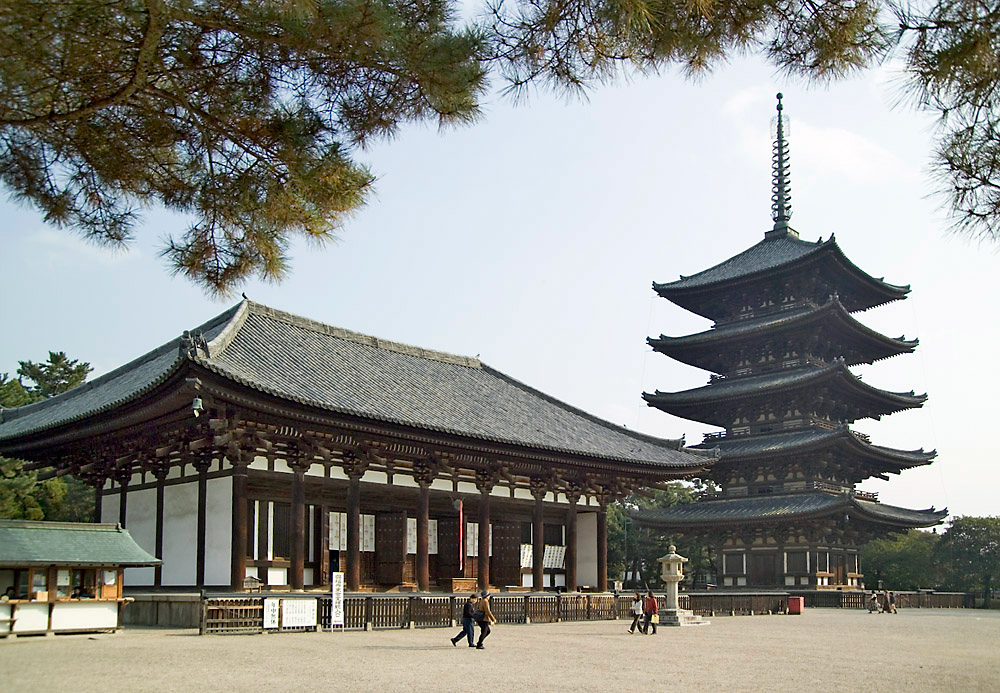
- Kōfuku-ji – A temple complex associated with the powerful Fujiwara family and notable pagodas and halls.
- Kasuga Taisha – The principal Shinto shrine renowned for its many bronze and stone lanterns and enduring rituals; see the shrine.
- Gangō-ji – One of the early Buddhist houses of worship that contributed to the city’s religious life.
- Yakushi-ji – Known for its distinctive pagoda silhouettes and important devotional sculptures.
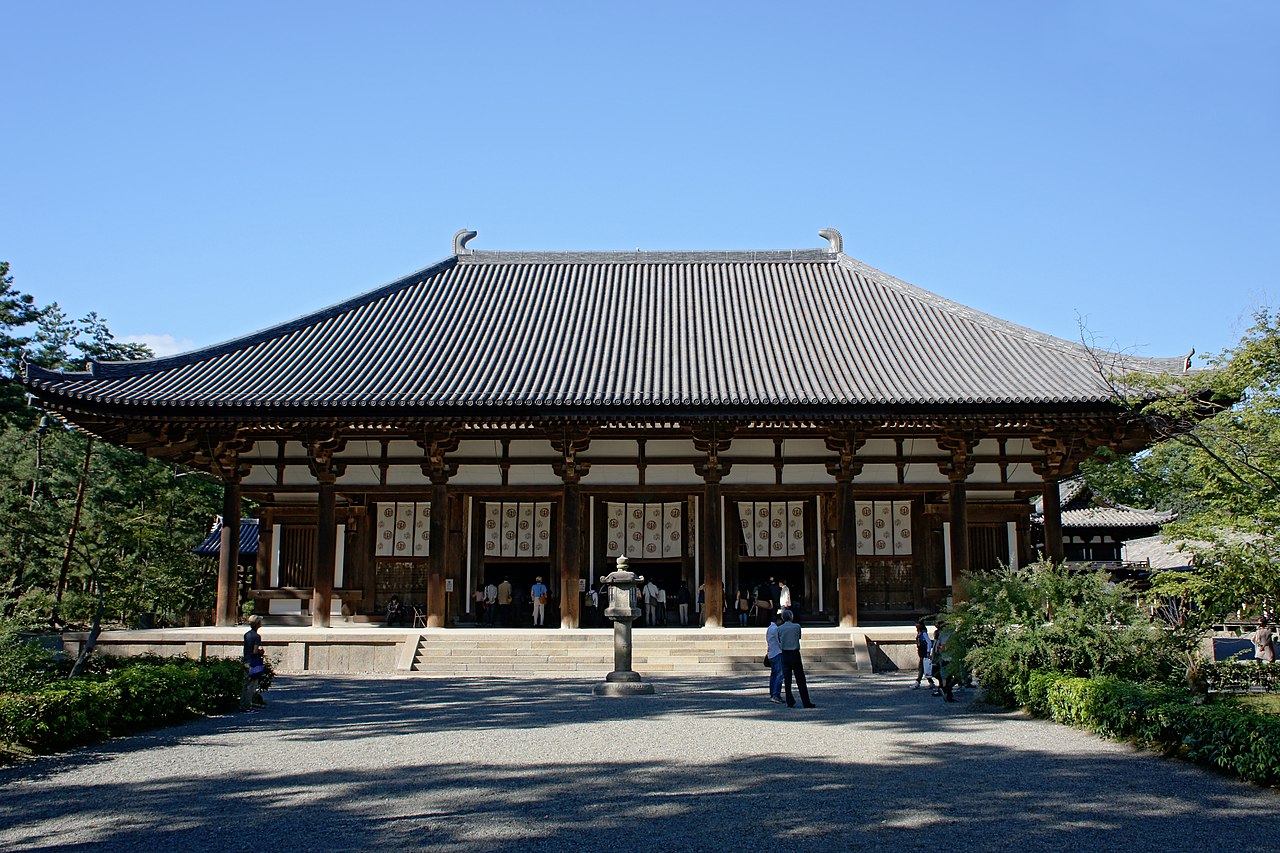
- Tōshōdai-ji – Founded by the Chinese monk Ganjin; celebrated for its classical temple layout and surviving wooden structures.
- Heijō Palace – Remains of the imperial palace complex that served as the administrative heart of the Nara capital.
- Kasugayama Primeval Forest – A protected sacred woodland adjoining Kasuga Taisha; the site includes the primeval forest that has been safeguarded for centuries.
Collectively, these eight places include five major Buddhist temples, one Shinto shrine, a former palace site and a protected forest. Their clustering reflects the religious, political and urban layout of the Nara period.
Historical context and development
When Nara became the imperial capital in the 8th century, city planning, monumental architecture and institutional Buddhism were adopted on a new, state-sponsored scale. The layout drew on continental models, while religious art and temple construction combined imported techniques with local tradition. Several monuments retain original fabric or carefully reconstructed elements that testify to building methods and artistic tastes of early medieval Japan.
Significance, preservation and experience
The ensemble is valued for its architecture, sculptures, ritual continuity and the way the natural landscape is intertwined with sacred sites. Conservation work ranges from archaeological studies at Heijō Palace to the maintenance of wooden structures and the protection of Kasugayama. Visitors encounter historic halls, lantern-lined approaches, surviving pagodas and the living presence of cultural practices that remain part of community life. For an introduction to these places and further visitor information, see general guides and heritage resources linked through official channels.
Notable facts: the area around the monuments includes Nara Park, where free-roaming deer—long regarded as messengers in Shinto belief—are a familiar presence. Together, the Historic Monuments of Ancient Nara offer a concentrated glimpse into Japan’s formative centuries of statehood, religion and material culture.
Questions and answers
Q: What is the UNESCO World Heritage Site in Nara, Japan?
A: The UNESCO World Heritage Site in Nara, Japan is the Historic Monuments of Ancient Nara.
Q: What does the site cover?
A: The site covers eight places in the old capital city of Nara.
Q: What are the five places in the site that are Buddhist temples?
A: Five places in the site that are Buddhist temples are not specifically mentioned.
Q: How many places in the site are Buddhist temples?
A: The text does not give the exact number of places in the site that are Buddhist temples.
Q: What does the site include besides Buddhist temples?
A: The site includes one Shinto shrine, one palace and one primeval forest, in addition to the unspecified number of Buddhist temples.
Q: What is the significance of the site?
A: The site is a UNESCO World Heritage Site, which means that it is considered to be of great cultural significance to the world.
Q: Where is Nara located?
A: Nara is located in Nara Prefecture, Japan.
Related articles
Author
AlegsaOnline.com Historic Monuments of Ancient Nara Leandro Alegsa
URL: https://en.alegsaonline.com/art/44440
Sources
- whc.unesco.org : "Historic Monuments of Ancient Nara"
- whc.unesco.org : "Historic Monuments of Ancient Nara"