
Hendry County, Florida
Hendry County is a largely rural county in southern Florida, known for agriculture, wetlands and small towns such as LaBelle and Clewiston. It was established in the early 20th century and named for a pioneer cattleman.
Overview
Hendry County is a county in the United States located in the southern portion of the state. It combines agricultural lowlands, wetlands associated with the greater Everglades ecosystem, and small urban centers. The county seat is LaBelle, while other towns and communities serve as local centers for business and farming.
Image gallery
2 Images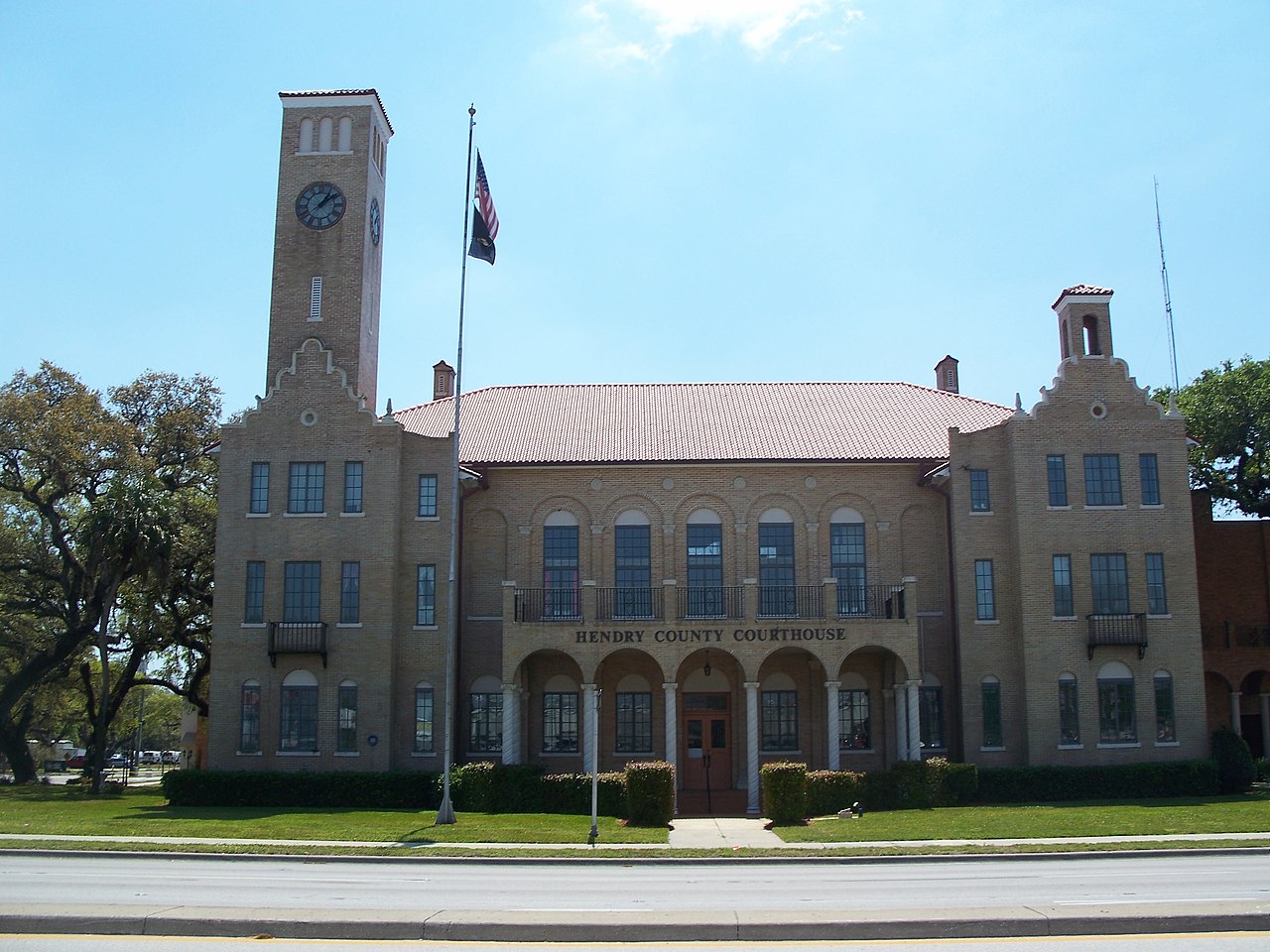

Geography and population
The landscape of Hendry County includes drained agricultural fields, river floodplains, and stretches of wetland that connect to larger conservation areas farther south. Its settlements are relatively sparse compared with Florida's coastal metro regions, and the county has a population that has grown gradually since the late 20th century. As noted in earlier records, the population was recorded at 36,210 in 2000.
History and name
Hendry County was created in the early 20th century and is named for Francis A. Hendry, a prominent cattleman and early settler who helped shape the region's ranching culture. The county's development followed patterns common to inland south Florida: cattle ranching and later commercial agriculture expanded as drainage and transport improved, while towns formed to support those industries.
Economy and land use
Agriculture—especially sugarcane, cattle ranching and other row crops—has long been central to the county economy. Land use reflects a mix of farms, small towns and protected or semi-protected wetlands. These economic activities have influenced local politics and regional planning, particularly debates around water management and Everglades restoration.
Communities and government
The county government operates from LaBelle and provides services to a network of municipalities and unincorporated communities. Notable population centers include:
- LaBelle (county seat)
- Clewiston and other small towns that serve agricultural workers and local commerce
- Rural neighborhoods and ranchlands that make up much of the county's area
Hendry County interacts with state agencies in state and federal programs for natural-resource management and economic development, and its location within Florida places it in a subtropical climate zone that shapes both lifestyle and land use.
Notable facts
Hendry County is often cited in discussions of Florida agriculture and Everglades restoration because of its combination of productive farmland and sensitive wetland habitats. Its small-town character and rural economy distinguish it from the major urban counties of the state, and it remains an example of how southern Florida balances agricultural production with environmental concerns.
Related articles
Author
AlegsaOnline.com Hendry County, Florida Leandro Alegsa
URL: https://en.alegsaonline.com/art/43495