
Luoyang: Ancient Chinese City on the Luo and Yellow Rivers
Luoyang is a prefecture-level city in western Henan, China, famed as an ancient capital, site of the Longmen Grottoes and White Horse Temple, and a regional center for culture, tourism and industry.
Overview
Luoyang is a prefecture-level city in western Henan province, China, situated near the confluence of the Luo River and Yellow River. It has been romanized historically as Loyang. The 2010 national census recorded about 6.55 million inhabitants in the prefecture-level area. Luoyang combines a deep historical legacy with contemporary urban functions.
Image gallery
10 Images



Geography and administration
The modern municipality covers urban districts and surrounding counties on the North China Plain, with river valleys and agricultural land shaping settlement and transport. The city's administrative status as a prefecture-level unit means it administers multiple districts, counties and county-level cities, serving as a regional hub for commerce and services.
History and development
Luoyang is one of China's best-known ancient capitals and is traditionally counted among the country's Four Great Ancient Capitals. For many centuries it served as a political, cultural and religious center, repeatedly chosen as a dynastic seat. Over time Luoyang experienced cycles of prosperity and reconstruction as regimes rose and fell; its long history left rich archaeological and architectural remains that attract scholarly and public interest.
Landmarks and cultural significance
Several well-known sites reflect Luoyang's heritage. Among them are:
- Longmen Grottoes — an extensive series of Buddhist cave carvings and inscriptions, recognized as a UNESCO World Heritage site.
- White Horse Temple — often described as the first Buddhist temple established in China, important in religious history and pilgrimages.
- Luoyang Museum and historic city sites — showcasing artifacts, funerary objects and urban relics spanning millennia.
Economy, tourism and modern role
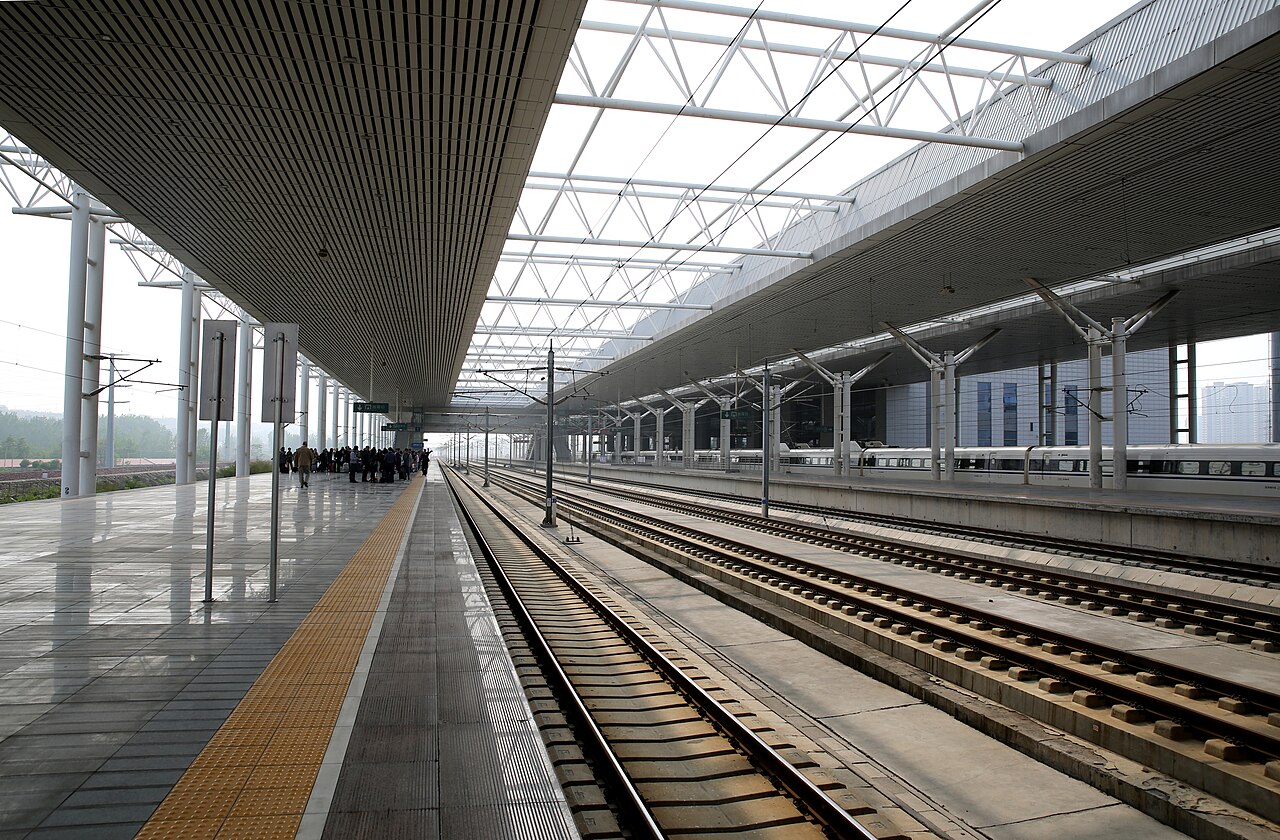
Today Luoyang's economy blends industry (including machinery, metallurgy and manufacturing), agriculture from surrounding plains, and a sizeable tourism sector centered on its historical attractions and annual cultural events such as the peony festival. The city is connected by rail and highways to regional centers, facilitating trade and visitor access.
Notable facts and distinctions
Luoyang's long urban record makes it a focal point for studies of early Chinese state formation, religion and art. Its surviving monuments provide insight into religious exchange, sculpture and inscriptional practices. Visitors often combine Luoyang with other historic sites in central China to trace the development of imperial capitals and Buddhist art.
Related articles
Author
AlegsaOnline.com Luoyang: Ancient Chinese City on the Luo and Yellow Rivers Leandro Alegsa
URL: https://en.alegsaonline.com/art/59958