
Hebi — prefecture-level city in northern Henan, China
Hebi is a prefecture-level city in northern Henan province, China. Historically associated with coal mining, it serves as a regional administrative, transport and industrial centre undergoing economic diversification.
Overview
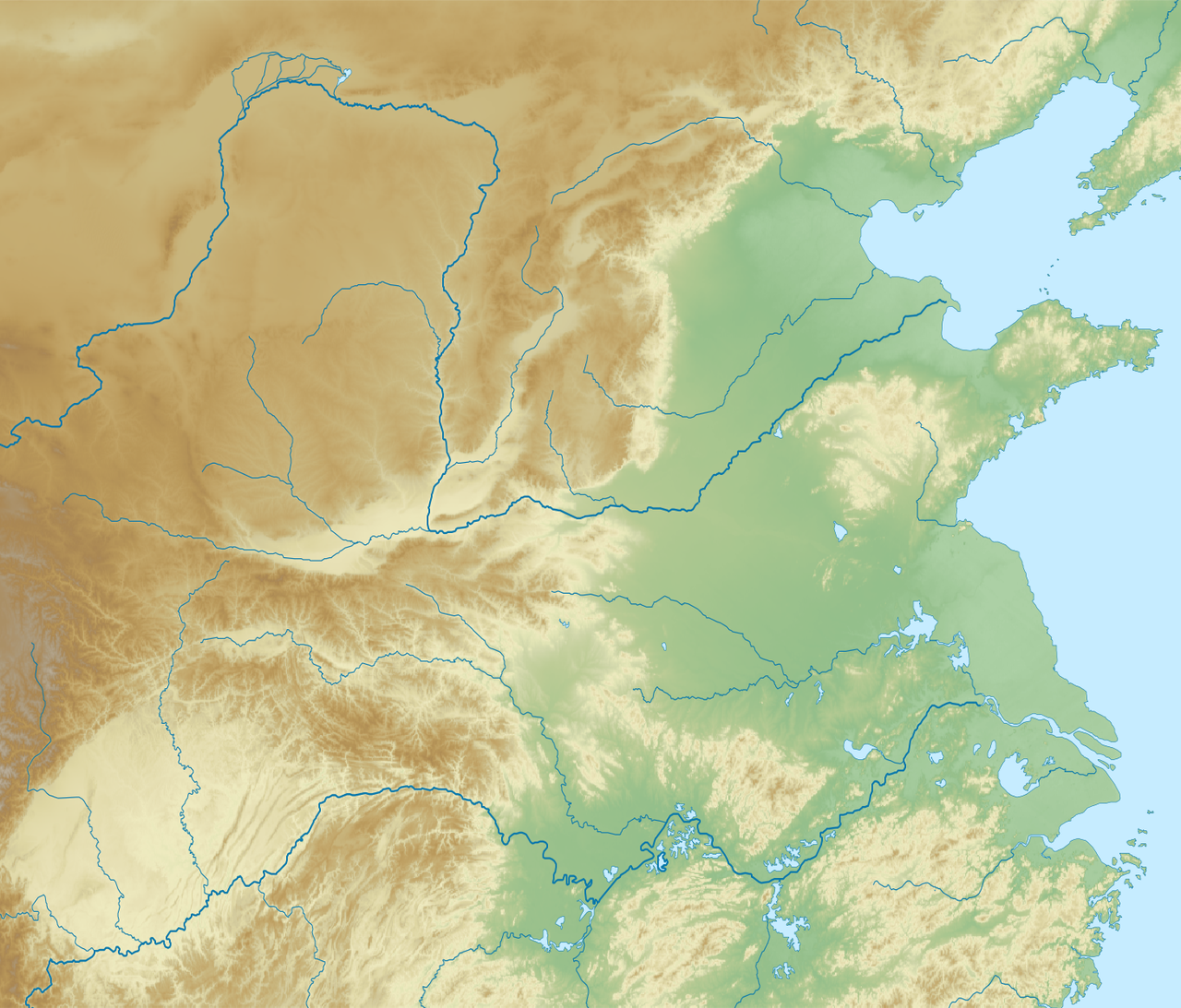
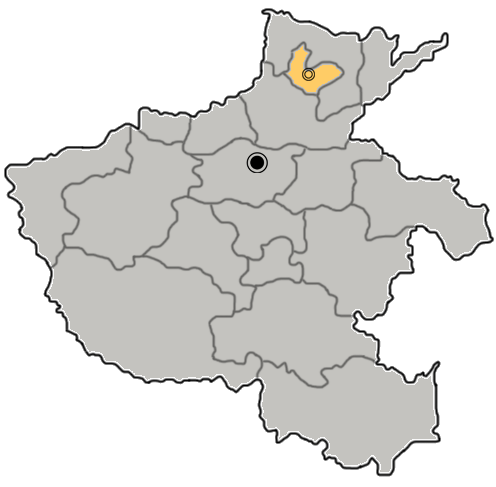
Hebi (鹤壁) is a prefecture-level city in the northern part of Henan province (Henan), in the central-eastern area of the People's Republic of China (China). Located on the North China Plain, Hebi functions as a local administrative hub and a regional node for industry and transport. The urban area intermingles with agricultural plains and smaller towns that supply food, labour and services to nearby industrial zones.
Image gallery
7 Images



Administration and settlement
As a prefecture-level city, Hebi administers multiple districts and county-level entities. The municipal government governs urban districts that contain the city’s administrative centres, commercial streets, and industrial parks, while surrounding counties include farmland, small manufacturing towns and resource-extraction sites. Governance focuses on coordinating urban services, infrastructure and regional development planning.
Geography and environment
Hebi sits on generally flat terrain typical of the North China Plain, with temperate continental climate influences. Rivers and irrigation support local agriculture in outlying counties, while urban expansion has created mixed land use around the city core. Environmental management has become more prominent as authorities address legacy industrial pollution and seek cleaner production.
History and development
The city’s modern growth accelerated with twentieth-century industrialisation and the development of coal and mineral resources in the region. Mining and associated rail links drove population and urban expansion for decades. More recently, municipal planners and enterprises have worked to diversify the economic base, reduce environmental impacts and modernise infrastructure.
Economy and transport
Hebi’s economy historically emphasised coal mining and heavy industry, while contemporary activity includes light manufacturing, building materials, logistics and service sectors. The city benefits from regional road and rail connections that link it to larger provincial centres, enabling freight movement and commuter travel. Local authorities often promote industrial parks and small- and medium-sized enterprise development to broaden employment opportunities.
Culture, tourism and society
Culturally, Hebi reflects the broader traditions of Henan province, including regional Mandarin dialects, culinary customs and local festivals. Tourist attractions are generally modest compared with major provincial capitals but include parks, historic sites and scenic spots in the surrounding countryside. Social services, education and cultural amenities continue to develop alongside economic change.
Practical information
- Administrative role: prefecture-level city overseeing a mix of urban districts and counties.
- Transport: served by regional railways and highways linking to provincial hubs.
- Economy: legacy of coal and mining with ongoing diversification into manufacturing and services.
This article provides a concise introduction to Hebi’s identity, development and role within Henan province. For official statistics, administrative divisions and up-to-date planning information consult municipal or provincial sources and local government publications.
Related articles
Author
AlegsaOnline.com Hebi — prefecture-level city in northern Henan, China Leandro Alegsa
URL: https://en.alegsaonline.com/art/43156