
Headband: design, history, uses and cultural variations
A headband is a band or wrap worn around the head to hold hair, absorb sweat, or serve decorative, cultural, or practical purposes. This article explains types, materials, history, uses and notable variations.
A headband is a strip, band or wrap worn around the head or across the forehead to secure hair, control perspiration, or function as an ornament. In everyday language it may also be called a headwrap or hairband. Although simple in concept, headbands appear across many cultures and activities, from athletic sweatbands to ornate ceremonial wraps and modern fashion accessories. For a basic introduction, see headband overview.
Image gallery
9 Images

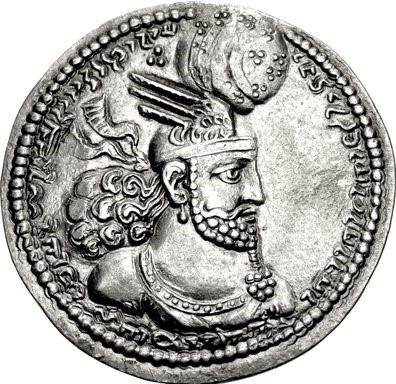


Design and materials
Headbands are made from a wide variety of materials and constructed in several basic forms. Common materials include woven or knitted fabric, elastic, plastic, metal, and leather. A molded plastic band retains its shape and is often used for decorative 'Alice band' styles, while elastic fabric or terry cloth offers stretch and absorbency for sport or work. Decorative versions may incorporate beads, jewels, ribbons, or sewn embellishments. Components typically include the central band, any internal stiffener, and surface decoration.
History and cultural context
Simple head coverings and bands have ancient origins: narrow fillets, ribbons or bands appear in classical art and in traditional dress across Africa, Asia and Europe. Over centuries they have served practical, symbolic and social roles—marking status, protecting the hair, or meeting religious requirements. In the 20th century headbands became prominent in sport and youth fashion, and different styles rose and fell with changing tastes.
Uses and examples
Practical uses include keeping hair away from the face during work or sport, and absorbing sweat in athletic contexts. In fashion, headbands are an accessory that can complete an outfit or signal a subculture; see contemporary designers for varied examples via fashion resources. Medical and cosmetic uses include soft wraps for people undergoing hair loss and protective coverings after certain procedures.
Variations, care and notable facts
- Types: elastic headbands, fabric wraps, wired bands, turbans and decorative Alice bands.
- Materials: from simple cotton and terry to molded plastic and metal.
- Care: most fabric bands can be hand-washed; delicate or embellished pieces require gentle cleaning.
- Distinctions: headscarves and turbans cover more of the head and have distinct cultural meanings, whereas the narrower headband primarily restrains hair or absorbs moisture.
Because of their long history and simple utility, headbands remain a versatile accessory used in sport, fashion, ritual and everyday grooming. For diagrams, patterns or tutorials, consult specialized how-to guides or craft sources.
Related articles
Author
AlegsaOnline.com Headband: design, history, uses and cultural variations Leandro Alegsa
URL: https://en.alegsaonline.com/art/43033