
Hot pants: short shorts, history, styles and cultural impact
Short, close-fitting women's shorts popularized in the 1960s. Covers origins, materials, variations (jean shorts, running shorts, cut-offs), cultural meanings and notable examples like 'Daisy Dukes'.
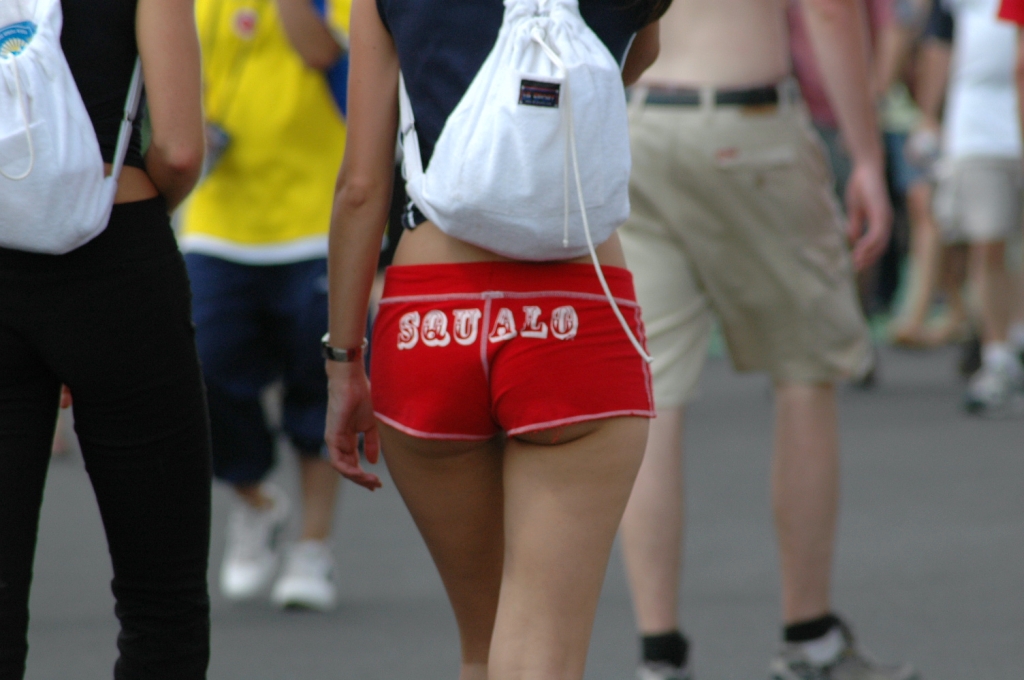
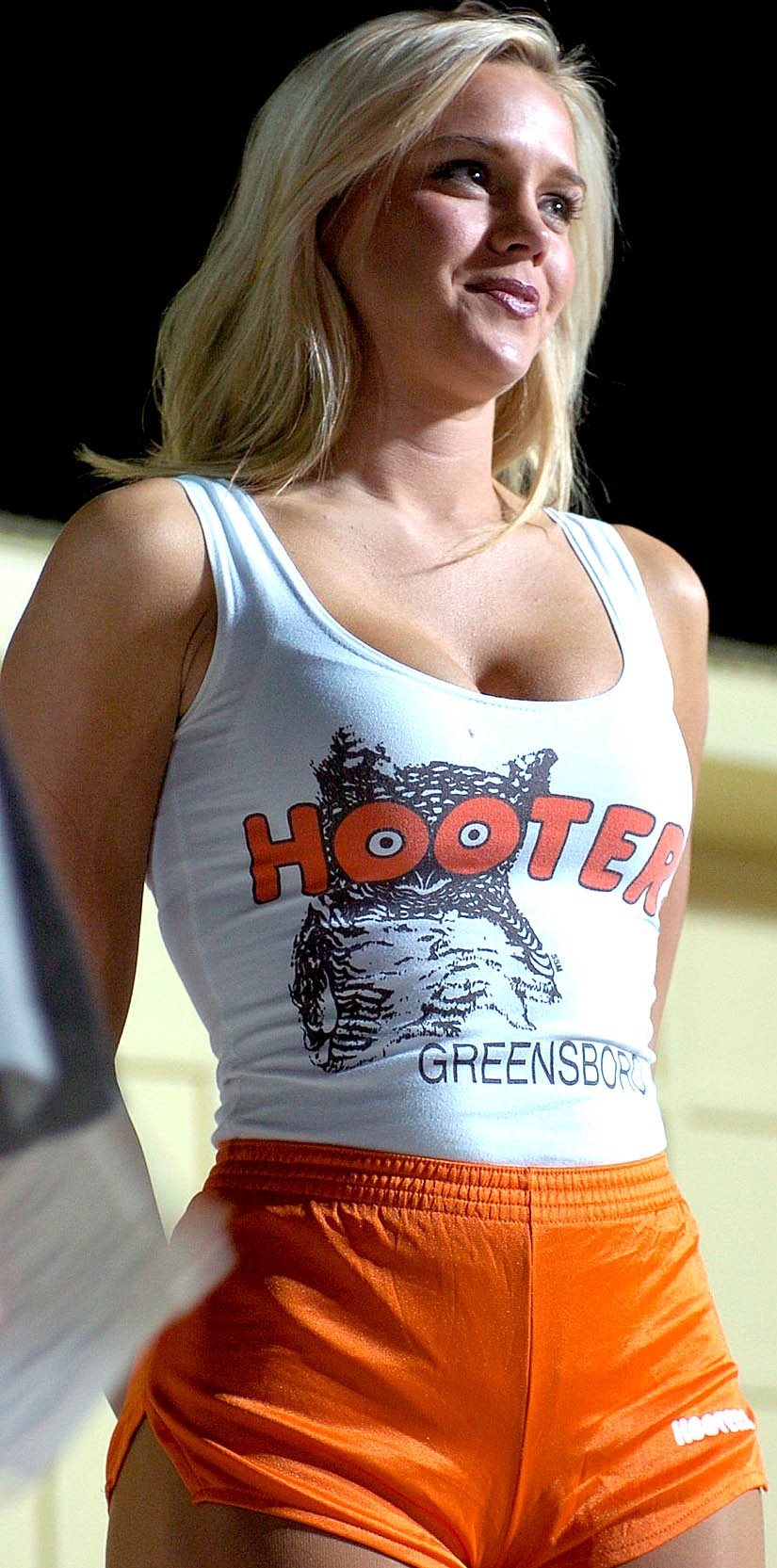
Hot pants, often called "short shorts," are very short women's shorts intended primarily as casual or fashion wear. They are characterized by a short hemline that typically ends well above the mid-thigh and a close or tailored fit. As a garment category they span a wide range of fabrics and constructions — from denim and cotton to silk, leather and synthetics — and are worn for fashion, performance and seasonal comfort. See a general overview of the garment in the context of fashion.

Image gallery
9 Images



Origins and development
Hot pants first emerged as a visible trend in the 1960s during the so-called "Swinging London" era, when designers and youth culture embraced shorter, brighter silhouettes. Innovators of the era, including designers associated with the mod movement such as Mary Quant, helped popularize shorter bottoms and miniaturized styles. Early examples emphasized bold colors and compact tailoring; later the look was taken up by 1970s disco culture and periodically revived by designers and street fashion in later decades. The move toward shorter, brighter garments is discussed in the context of the era's trends in bright shorts.
Typical characteristics and fabrics
- Length: hemline very short, usually several inches above the knee.
- Fit: can be tailored and fitted, or relaxed as in athletic styles.
- Fabrics: common materials include denim (for jean shorts), cotton blends, leather and synthetics; lightweight silks or satins appear in dressier versions.
- Construction: some have linings similar to swimwear, and many athletic or running shorts include an inner brief for comfort — the inner layer is often made of cotton or similar fabric, much like swimming trunks.
- Undergarments: certain athletic styles are designed to be worn without separate underwear because of integrated liners.
Varieties and everyday examples
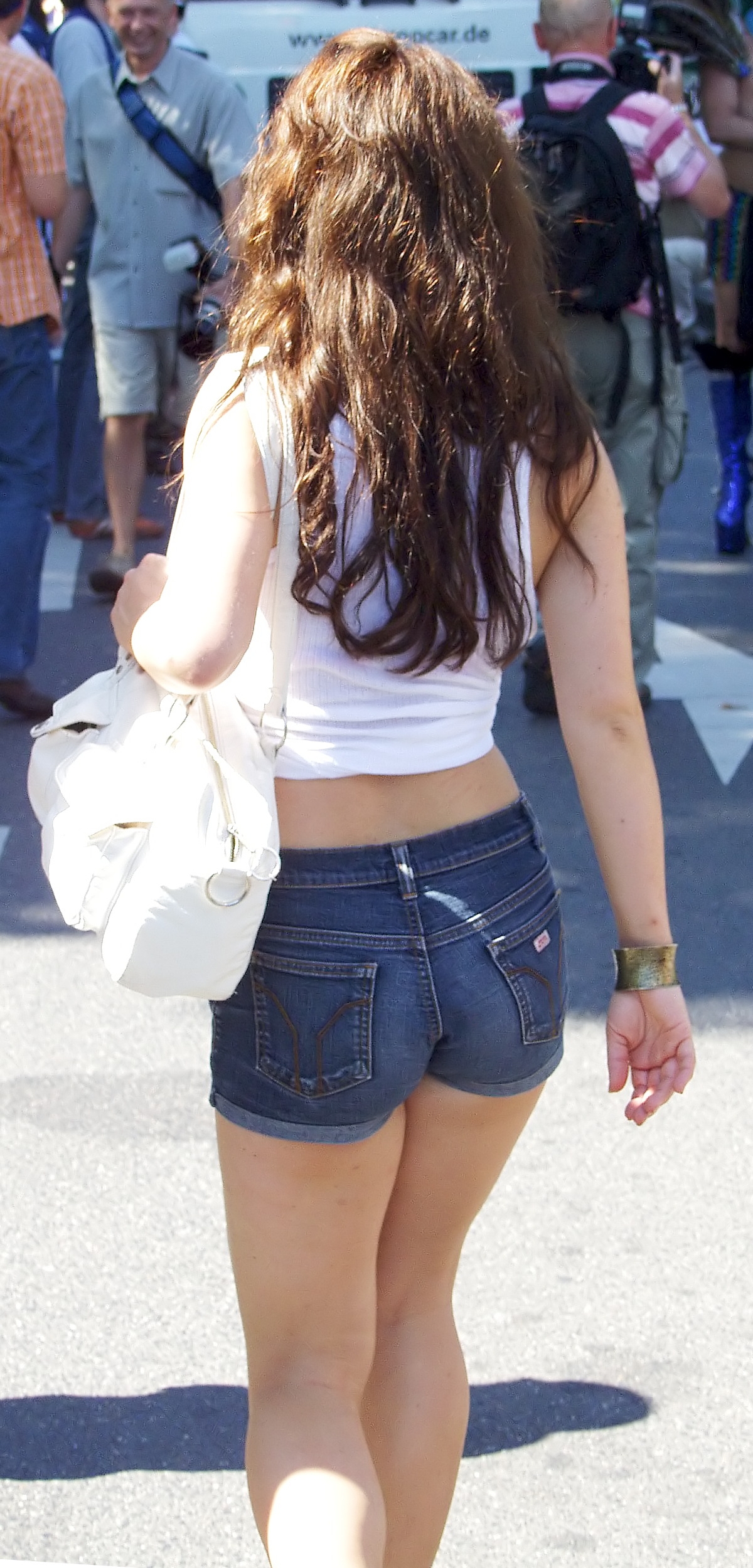
Hot pants appear in multiple forms. Jean shorts or "cut-offs" result when a pair of long trousers are shortened — a practice commonly called a cut-off. Athletic styles include brief running or gym shorts with a functional inner lining. Fashion versions may be high-waisted or low-rise, plain or embellished, and may be marketed under different names (short shorts, micro-shorts, etc.). Pop-culture examples include the influence of the character Daisy Duke, whose wardrobe on The Dukes of Hazzard helped make the term "Daisy Dukes" synonymous with brief denim shorts.

Cultural impact and reception
Hot pants have inspired a mix of admiration and controversy. For many wearers they symbolize liberation, summertime practicality and a playful aesthetic; for others they have prompted debates about dress codes and sexualization in public and workplace settings. Over time designers and consumers have continually reinterpreted the look: some revivals emphasize sophisticated tailoring and high-fashion finishes, while others lean into athletic performance or nostalgic vintage references.
Distinctions and notable facts
Not all very short bottoms are the same: hot pants tend to be fashion-focused and may use finer fabrics and tailored cuts, while athletic short shorts prioritize movement and technical liners. Jean shorts and cut-offs are a durable, casual subgroup often created from recycled jeans. For visual examples and comparative notes see fashion resources and editorial overviews in fashion discussions and vintage archives.

Because the term has evolved, descriptions vary by decade and designer, but the defining quality remains a deliberately short hemline and an emphasis on style and body-conscious proportion rather than purely functional coverage.
Questions and answers
Q: What are hot pants?
A: Hot pants, or 'short shorts', are a fashion item from the 1960s which is still popular today. They are typically shorter and brighter than regular shorts.
Q: Who started the trend for short shorts?
A: The trend for shorter, brighter shorts for young women was started by designers in London such as Mary Quant.
Q: What type of material are gym shorts made of?
A: Many gym shorts have an inlay made of a comfortable fabric such as cotton, similar to swim shorts (swimming trunks).
Q: Are jeans cut-offs worn with underwear?
A: If a person cuts off the legs of a pair of jeans, that's known as a 'cut-off'. These types of shorts are usually not worn with underwear.
Q: Who is Daisy Duke?
A: Daisy Duke is a character from The Dukes of Hazzard who was known for wearing low cut blue jeans. The popularity of the character led to the term "Daisy Dukes" being used for short shorts.
Q: What items can be considered short shorts?
A: Jean shorts, short shorts, and running/gym shorts can all be considered short/hot pants.
Related articles
Author
AlegsaOnline.com Hot pants: short shorts, history, styles and cultural impact Leandro Alegsa
URL: https://en.alegsaonline.com/art/45226
Sources
- books.google.com : The Great Fashion Designers